
Bernie Sanders 2020 presidential campaign
Summary of Senator Bernie Sanders' 2020 campaign for the Democratic presidential nomination: announcement, platform, campaign operations, key events, suspension, endorsements and lasting influence.
Overview
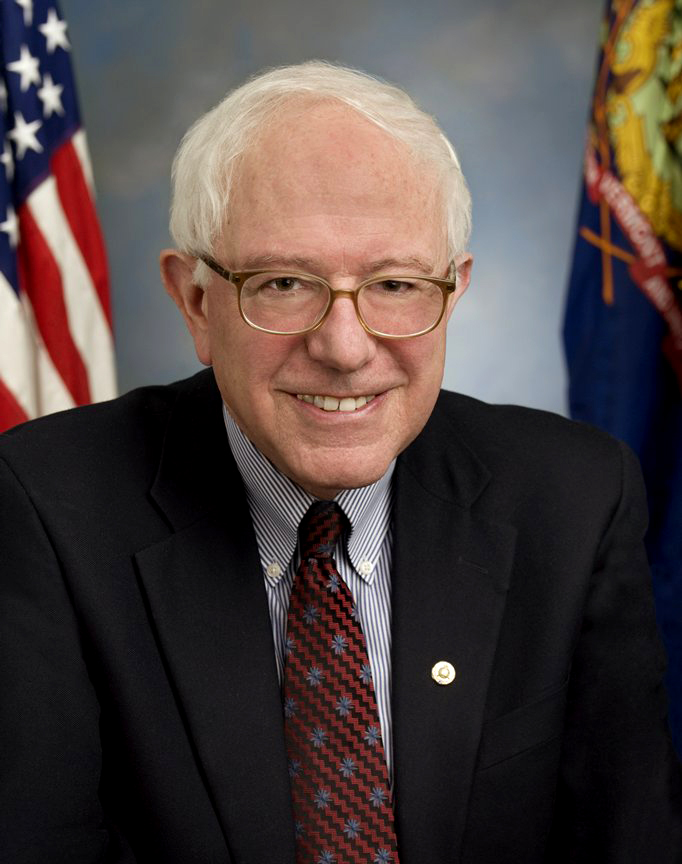
The 2020 presidential campaign of Bernie Sanders was the Vermont senator's second run for the Democratic nomination after his influential 2016 effort. He announced his candidacy on February 19, 2019, in an email to supporters and during an appearance on Vermont Public Radio. Drawing on the organizational energy and policy themes of his 2016 campaign and its debates in the 2016 primaries, Sanders entered a crowded field determined to make progressive economic and social reforms central to the national debate.
Image gallery
7 Images


Platform and policy priorities
Sanders ran on a broadly progressive agenda that emphasized reducing economic inequality, expanding the social safety net, and addressing climate change. Central proposals included a government-funded universal health care system often described as Medicare for All, large-scale investments to combat climate change akin to a Green New Deal, tuition-free public higher education and significant student debt relief, and efforts to limit corporate influence in politics. The campaign framed these policies as part of a single program to increase economic security for working families and to expand access to essential services.
- Medicare for All: a proposal to create a comprehensive, publicly financed system intended to cover all residents and to reduce out-of-pocket costs.
- Climate and jobs: investments to accelerate renewable energy adoption, modernize infrastructure and create new employment opportunities with a focus on climate resilience.
- Education and debt relief: plans to make public colleges and universities tuition-free and to address outstanding student debt burdens.
- Campaign finance reform: measures to reduce corporate political influence and expand public financing of elections.
- Labor and jobs guarantees: proposals to strengthen collective bargaining and support employment through public programs.
Campaign organization and strategy
The campaign continued Sanders' emphasis on grassroots organizing and small-dollar contributions from individual donors. Volunteers were mobilized through neighborhood networks, canvassing operations, digital outreach and large rallies. Staff worked to compete state-by-state in the 2020 Democratic Party presidential primaries, translating national prominence into delegates under a complex primary calendar and rules that rewarded both early-state organization and broad multi-state appeal.
Key events and developments
In October 2019 Sanders experienced a heart-related medical event and briefly paused public appearances; he subsequently resumed campaigning after releasing medical information and receiving medical clearance. During the early primary season he posted strong performances in several early contests, particularly in New Hampshire and Nevada, which underscored his appeal among progressive and younger voters. The campaign faced a turning point after late February and Super Tuesday contests when other candidates consolidated support in a way that made a path to the nomination more difficult.
Endorsements and political alliances
Sanders drew endorsements from a range of progressive elected officials, activists and labor groups. In October 2019 Representative Alexandria Ocasio-Cortez publicly endorsed Sanders, signaling alignment between his platform and a new generation of progressive lawmakers. His coalition blended long-time grassroots organizers, union members and new volunteers energized by his policy proposals.
Suspension, endorsement and legacy
After several primary contests and an extended delegate fight, Sanders suspended his campaign on April 8, 2020, shortly after the Wisconsin contest referenced by state reports and media coverage of the Wisconsin primary. On April 13 he formally endorsed the presumptive Democratic nominee. Though he did not win the nomination, Sanders' campaign reinforced the presence of progressive proposals within mainstream Democratic discourse. His emphasis on small-dollar fundraising and grassroots organizing demonstrated a durable model for future campaigns, and many policy ideas he championed continued to influence debates in Congress and state legislatures in the years that followed.
Assessment
The 2020 Sanders campaign succeeded in maintaining pressure on the Democratic Party to address healthcare costs, student debt, climate change and economic inequality. It also revealed the organizational challenges of converting enthusiastic national support into the delegate math required under primary rules. The campaign's impact can be seen in ongoing public debate, legislative proposals inspired by its agenda, and the continued prominence of progressive candidates in later contests.
Related articles
Author
AlegsaOnline.com Bernie Sanders 2020 presidential campaign Leandro Alegsa
URL: https://en.alegsaonline.com/art/10851
Sources
- npr.org : "Bernie Sanders Enters 2020 Presidential Campaign, No Longer An Underdog"
- nytimes.com : "Who's Running for President in 2020?"
- worldcat.org : 0362-4331
- nytimes.com : "Warren Is Preparing for 2020. So Are Biden, Booker, Harris and Sanders"
- edition.cnn.com : "Why Alexandria Ocasio-Cortez endorsed Bernie Sanders"
- berniesanders.com : "Bernie Sanders on the issues"
- politico.com : "Bernie Sanders suspends his presidential campaign"
- nytimes.com : "Bernie Sanders Drops Out of 2020 Democratic Race for President"
- abcnews.go.com : "Vermont Sen. Bernie Sanders suspends presidential bid"