
Benue River
Major westward-flowing tributary of the Niger River, rising in Cameroon and crossing into Nigeria; important for transport, agriculture, fisheries and regional hydrology.
Overview
The Benue River is a principal tributary of the Niger River in West and Central Africa. Extending roughly 1,400 km in length, it drains a broad inland basin and carries seasonal floodwaters westward from the highlands of Cameroon into central Nigeria. The river is a key natural feature for the communities, agriculture and transport networks along its course.
Image gallery
6 Images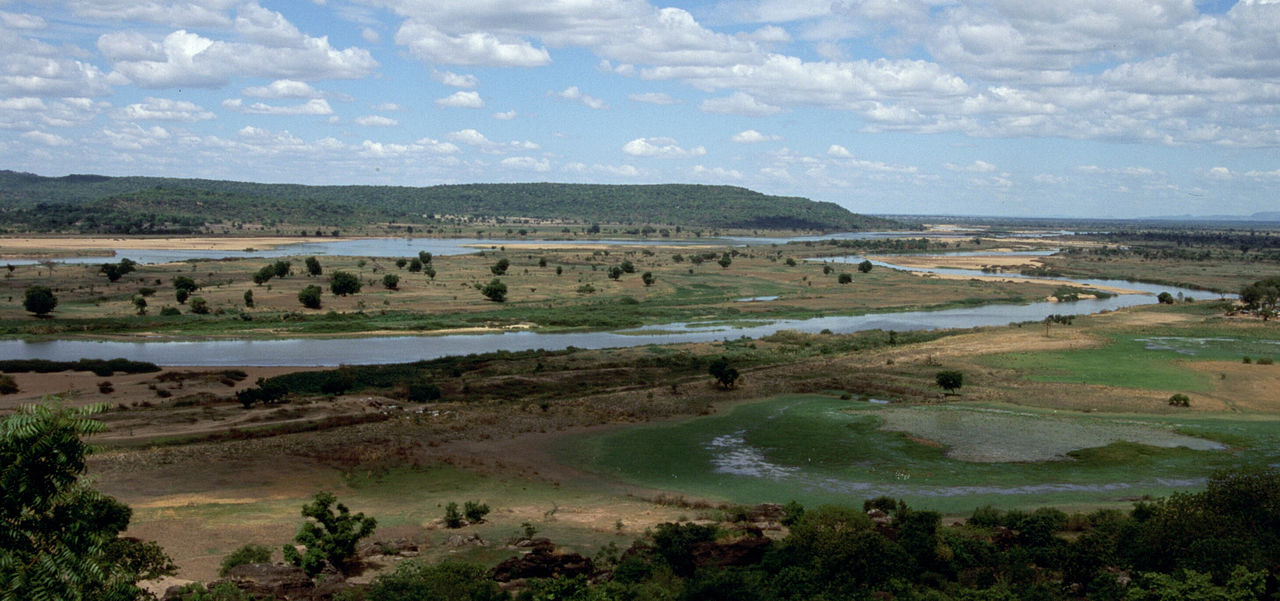


Course and physical characteristics
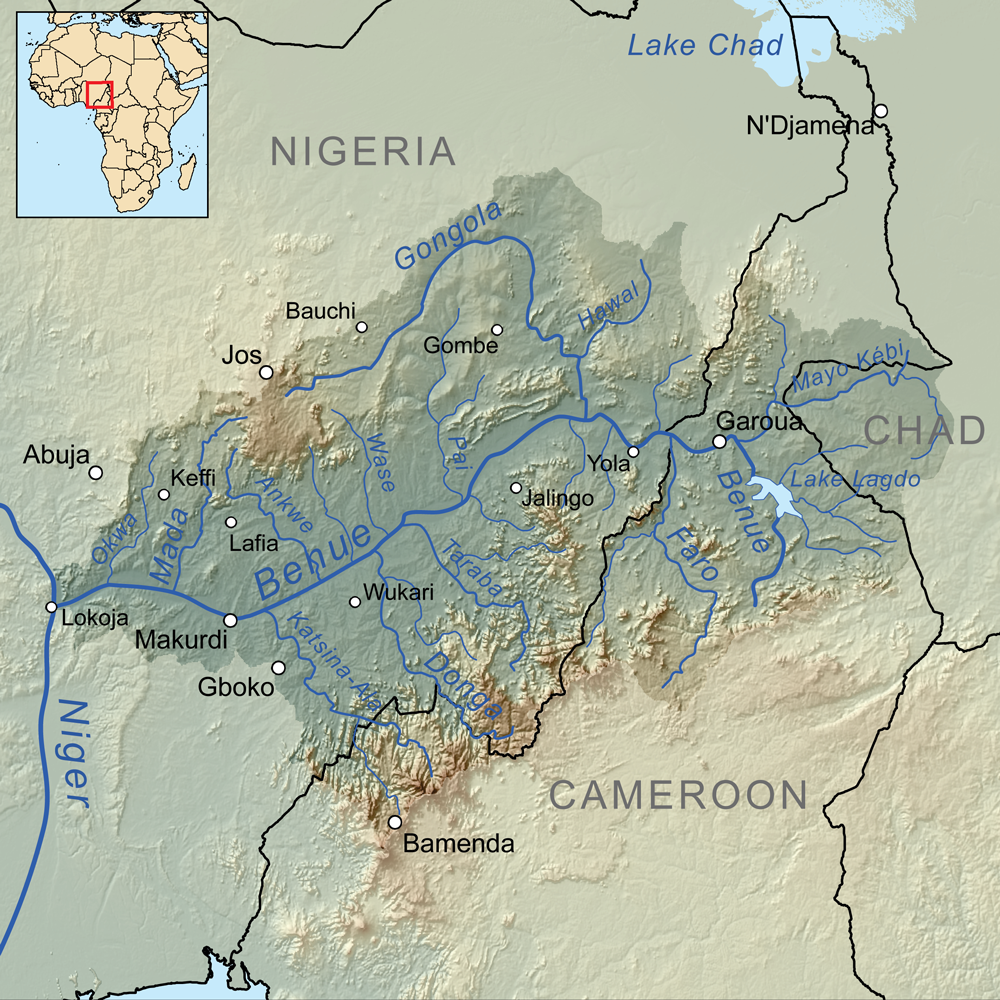
The river originates on the Adamawa Plateau of northern Cameroon and flows generally westward across varied terrain before joining the Niger River at Lokoja in Nigeria. Along its course the Benue passes near or through towns and regional centers such as Garoua in Cameroon and Jimeta (Yola), Ibi and Makurdi in Nigeria. Upstream in Cameroon it is associated with the Lagdo Reservoir, a large impoundment that affects downstream flows and local water storage.
Tributaries and hydrology
The Benue’s network includes several important tributaries that expand its catchment and seasonal discharge. Major branches include the Gongola River and the Taraba River, together with the Katsina Ala and other smaller streams. The river exhibits marked seasonal variability: flows and navigability increase during the rainy season and fall during the dry months. Because of this seasonality, the Benue is navigable for much of its length only at certain times of year.
Human uses and importance
For centuries the Benue has supported fishing, riverine agriculture and transport. Its floodplains are fertile and are cultivated for crops such as yams, maize and rice where irrigation or seasonal flooding allows. Boats and barges use the channel to move people and goods between towns, particularly when river depths rise. The river and associated reservoirs also provide water for domestic use and local industry, and they have been considered for hydropower and larger irrigation schemes.
History, culture and management
Riverside communities, including ethnic groups such as the Tiv and others in the Benue valley, have long depended on the river for livelihoods and cultural activities. During the colonial period and after independence the Benue remained an important route for regional trade. More recently, river management raises questions about flood control, sedimentation, impacts of reservoirs like Lagdo on downstream flow regimes, and the balance between development and ecological health.
Notable facts and distinctions
- The Benue is the largest tributary of the Niger by volume in its middle and lower reaches, forming a major element of the Niger basin system. See more on regional river systems: tributary networks.
- The river connects directly with the Niger River: for context on that connection see the Niger River.
- General information on the river’s course and features is available in regional hydrology summaries: river descriptions.
- The Benue’s headwaters rise in Cameroon and the river then flows into Nigeria.
Because the Benue’s flow, ecology and human use are intertwined, ongoing studies and local management efforts aim to reduce flood risk, sustain fisheries and maintain navigation while supporting agriculture and water supply. The river remains a defining geographical and economic feature of the regions it traverses.
Related articles
Author
AlegsaOnline.com Benue River Leandro Alegsa
URL: https://en.alegsaonline.com/art/10627
Sources
- en.wikisource.org : "Benue"