
Ganges Delta (Bengal/Brahmaputra Delta)
The Ganges Delta is the world's largest river delta spanning Bangladesh and West Bengal, India. Formed by the Ganges, Brahmaputra and Meghna rivers, it supports rich ecosystems, dense population and vital ports.
Overview
The Ganges-Brahmaputra Delta, commonly called the Bengal Delta, is a vast low-lying region where several major rivers meet and drain into the Bay of Bengal. The delta spans much of southern Bangladesh and the Indian state of West Bengal, with parts extending into other neighbouring areas of India. It is the largest river delta on Earth and one of the most dynamic, continually reshaped by sediment deposition, river channels and tides.
Image gallery
9 Images



Rivers, landforms and soils
The delta is built from the combined sediments of three principal rivers: the Ganges, the Brahmaputra River and the Meghna River. Their lower courses split into many distributaries that form a broad network of channels, islands and wetlands. The fertile floodplain contains deep alluvial soils ideal for agriculture, but is also geologically young and very flat, which makes drainage and flood control a constant challenge.
Ecology and notable areas
Large tracts of the delta are covered by mangrove forests, swamps and tidal creeks. The southern fringe is famous for the Sundarbans, a unique mangrove ecosystem that provides coastal protection and supports diverse wildlife. Human communities have long depended on the delta’s fisheries, rice paddies and forest resources for livelihoods while living in close relationship with the tidal environment.
Human settlement, economy and ports
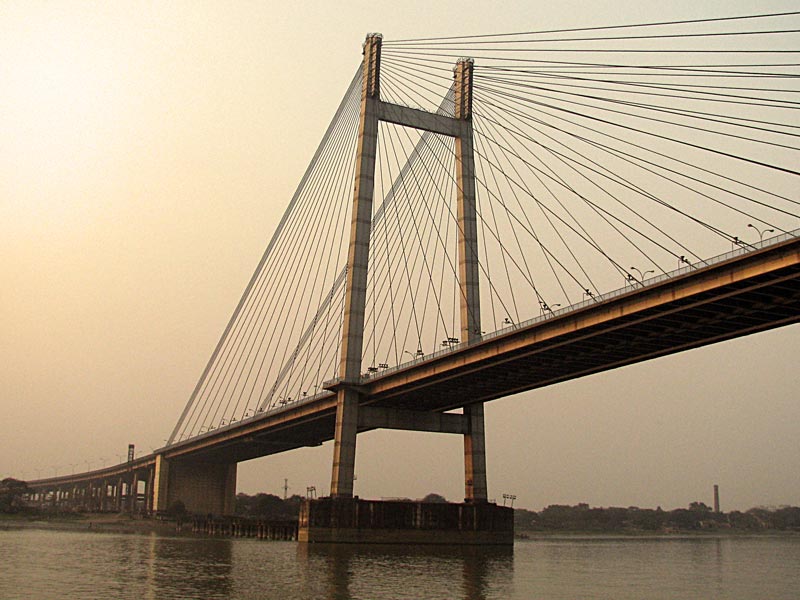
The delta is densely populated and includes major urban centers and ports. The Hooghly distributary (the Hooghly River) leads to the metropolitan area around Kolkata, where river transport, industry and extensive hinterland agriculture converge. On the Bangladesh side and along the coast are important ports such as Mongla and Chittagong, which handle international shipping and trade. The region’s economy mixes smallholder farming, aquaculture, shipping and growing urban industries.
Challenges and management
The delta faces recurring natural hazards: seasonal floods, storm surges, cyclones and long-term sea-level rise. Human interventions — embankments, irrigation schemes, urban expansion and upstream river regulation — alter sediment flows and local hydrology. These factors complicate coastal protection, disaster preparedness and sustainable land use. International and local efforts focus on integrated river-basin management, ecosystem conservation and improved early-warning systems.
Distinctive facts and significance
- The region is sometimes called the Green Delta for its fertility and intensive agriculture.
- The delta’s shifting channels and islands mean that its map is continually changing; communities adapt by building embankments, elevated homes and floating agriculture.
- Beyond food production, the delta provides critical biodiversity, carbon storage in mangroves and natural protection against coastal storms.
For further reading on geographic details and conservation initiatives, consult specialized sources and regional studies that examine river dynamics, sediment budgets and local adaptation strategies.
Questions and answers
Q: What is the Ganges-Brahmaputra Delta?
A: The Ganges-Brahmaputra Delta is a river delta in the South Asia region of Bangladesh and in West Bengal, India. It is the world's largest delta.
Q: What are some other names for the Ganges-Brahmaputra Delta?
A: The delta is also known as the Brahmaputra Delta, the Sunderbans Delta, or the Bengal Delta.
Q: Why is the Ganges-Brahmaputra Delta called The Green Delta?
A: Because the delta is one of the most fertile regions in the world, it is called The Green Delta.
Q: Where does the Ganges Delta empty into?
A: The Ganges Delta empties into the Bay of Bengal.
Q: What rivers form the floodplain of the Ganges-Brahmaputra Delta?
A: The floodplain is from three rivers: Ganges, the Brahmaputra River, and the Meghna River.
Q: What is the east and west limit of the delta?
A: The delta stretches from the Hooghly River on the west to the Meghna River on the east.
Q: What are the main seaports in India and Bangladesh located in the Ganges-Brahmaputra Delta?
A: In India Kolkata and Haldia are the main seaports, while in Bangladesh the main seaports are the Port of Mongla and Chittagong.
Tags
Related articles
Author
AlegsaOnline.com Ganges Delta (Bengal/Brahmaputra Delta) Leandro Alegsa
URL: https://en.alegsaonline.com/art/37460
Sources
- delta-alliance.org : "Ganges–Brahmaputra Delta"
- en.banglapedia.org : "Bengal Delta"
- commons.wikimedia.org : Ganges Delta