
Vice President of Laos
Senior state office established in 1996. The vice president is elected by the National Assembly and serves as the deputy to the president in the Lao People's Democratic Republic.
The Vice President of the Lao People's Democratic Republic is a senior constitutional office created in 1996. The post functions as the deputy to the president of the state and forms part of the country’s higher state apparatus. The holder is chosen through the legislative process: the National Assembly elects the vice president, and the office is typically filled by a senior figure within the ruling Lao People's Revolutionary Party. See country context at Laos.
Image gallery
5 Images


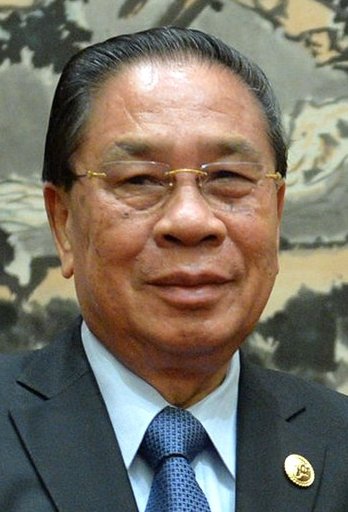

Role and responsibilities
The vice president’s duties are primarily supportive and representative. Responsibilities commonly include acting for the president if the president is unable to perform official duties, representing the state at formal events, and carrying out assignments delegated by the president. The office may also involve participation in consultative bodies and state councils on matters of national importance.
Selection and tenure
- The National Assembly elects the vice president; the process reflects the country’s single-party political system and parliamentary procedures.
- In practice, candidates are senior party leaders or experienced state officials who enjoy broad support within the legislature and party leadership.
- Terms and timing of appointment generally coincide with the legislature’s term and the schedule of national leadership elections.
History and development
The office was established in 1996 as part of a constitutional and institutional adaptation aimed at clarifying the structure of state leadership. Its creation formalized a clear deputy role to the president within a political system dominated by the Lao People's Revolutionary Party. Over time the vice presidency has become a stable element of Laos’s state institutions, used to broaden leadership representation and manage ceremonial and practical workloads.
Relations with other offices
The vice president is distinct from the prime minister, who heads government and day-to-day administration. While the prime minister leads policy implementation, the vice president occupies a chiefly state and ceremonial position and usually ranks directly beneath the president in state protocol. The post can serve as part of a succession pathway to higher offices and is often occupied by figures with extensive party and state experience.
Notable practical points include that more than one person has at times held vice-presidential rank concurrently, reflecting the leadership’s desire to include multiple senior representatives in the state hierarchy. The role remains an important component of Laos’s political structure, balancing constitutional function, political convention, and party considerations.
Related articles
Author
AlegsaOnline.com Vice President of Laos Leandro Alegsa
URL: https://en.alegsaonline.com/art/104892
Sources
- books.google.com : The Far East and Australasia 2003