
Vice‑President of Sierra Leone
Overview of the office of the Vice‑President of Sierra Leone: constitutional role, typical duties, method of appointment, historical development, and how the position functions in practice.
The Vice‑President of Sierra Leone is the second‑highest official in the executive branch and the principal deputy to the president. The office exists to secure continuity of government and to assist the president in executing the functions of the executive. In Sierra Leone's constitutional framework the vice‑presidency is primarily an instrument of succession: the vice‑president succeeds to the presidency if the president is unable to continue in office.
Image gallery
7 Images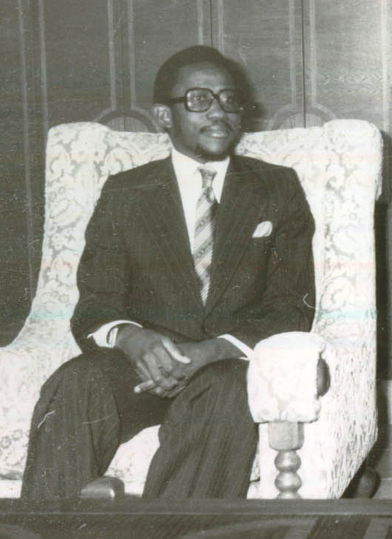


Constitutional role and succession
The constitution defines the vice‑president chiefly as the immediate successor to the president in the event of resignation, removal, death or prolonged incapacity. Beyond that succession function, the constitution leaves the distribution of other responsibilities largely to statutory law and to the president's own delegation of duties. As a result, the vice‑president's formal, guaranteed power is limited, while practical influence depends on the working relationship with the president and on legislation or executive practice.
Typical duties and functions
Although the vice‑president's core constitutional role is succession, in day‑to‑day government the office commonly carries a range of responsibilities that can include:
- Acting for the president on short‑term matters when the president is unavailable;
- Coordinating special government programmes or policy portfolios assigned by the president;
- Representing the state at official functions, both domestic and international;
- Serving on or chairing inter‑ministerial committees and advising on governance issues;
- Engaging with the political party, regional interests or coalition partners to maintain support for the administration.
The precise balance between ceremonial, coordinating and substantive policy responsibilities varies from one administration to another.
Selection, tenure and practical importance
The vice‑president normally serves for the same term as the president and is identified as a central member of the presidential team. In practice, presidents often select a deputy who complements their geographic, ethnic or political base, or who brings specific technical experience. The office can be a platform for leadership development and national visibility, and the vice‑president frequently plays a key role in maintaining continuity and stability within the executive.
Because constitutional powers are limited, the vice‑president's influence depends heavily on personal standing, delegated authority and political context. Understanding the office therefore requires looking beyond formal texts to the customs and practices of successive administrations.
Related articles
Author
AlegsaOnline.com Vice‑President of Sierra Leone Leandro Alegsa
URL: https://en.alegsaonline.com/art/104893