
Vibrio cholerae: bacterium that causes cholera
Vibrio cholerae is a gram-negative aquatic bacterium best known as the agent of cholera. This article describes its traits, ecology, disease mechanism, history, and public health importance.
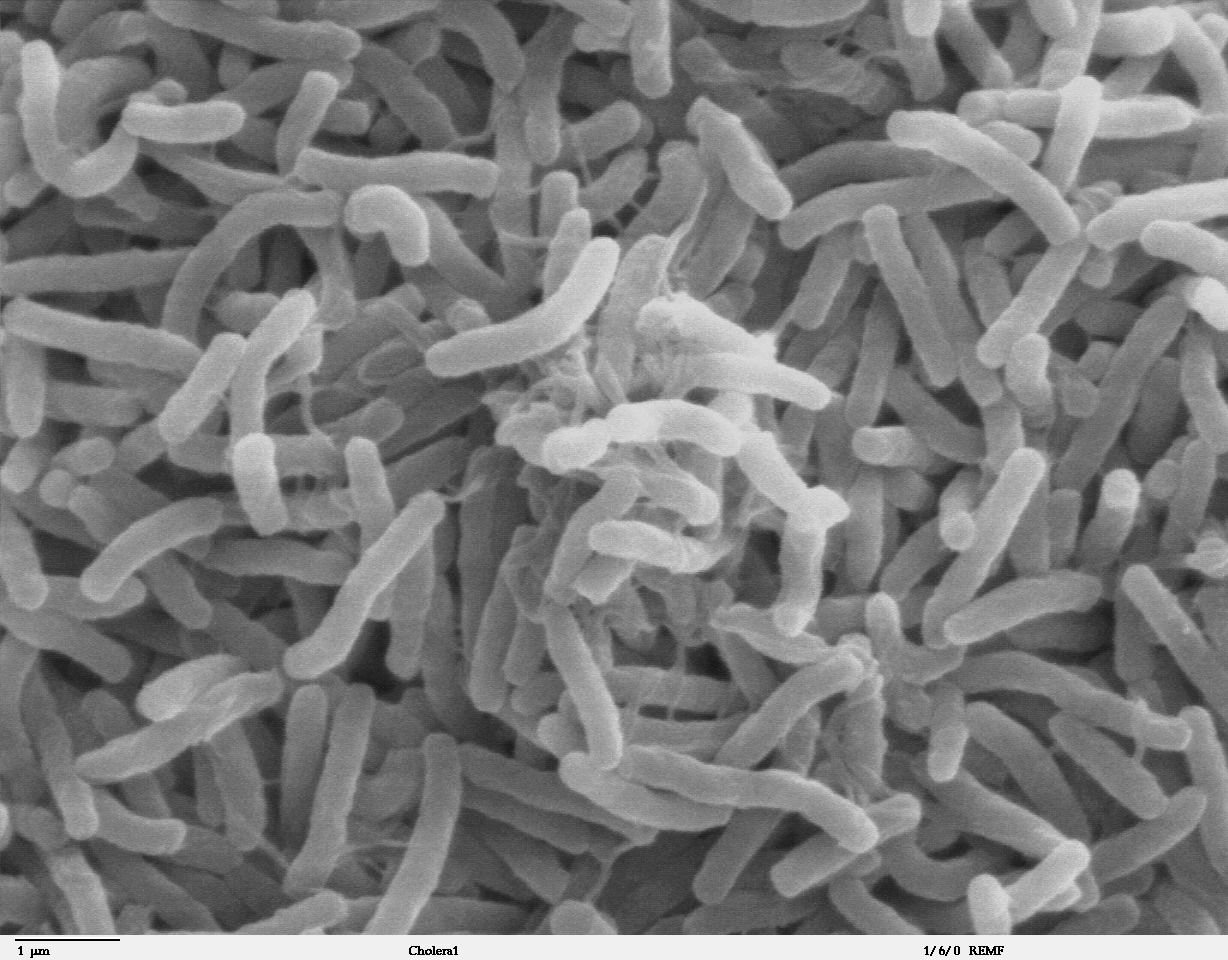
Vibrio cholerae is a curved, motile bacterium and the principal cause of the diarrheal illness known as cholera. It belongs to the genus Vibrio within the family Vibrionaceae and is classified among the gram-negative Proteobacteria (Proteobacteria). V. cholerae naturally inhabits coastal and estuarine waters and can survive in both free-living and biofilm-associated states.
Image gallery
7 Images




Characteristics and biology
Cells are typically comma-shaped and equipped with a polar flagellum that enables motility. Like many facultative organisms, V. cholerae can grow in the presence of oxygen; when oxygen is scarce it can switch to alternative metabolic pathways, including anaerobic respiration (anaerobic respiration) or fermentation (fermentation), to conserve energy. A key virulence determinant is cholera toxin, an enterotoxin that disrupts ion transport in intestinal cells and produces the profuse watery diarrhea characteristic of severe infection.
Ecology and transmission
V. cholerae is commonly associated with brackish water, estuaries and plankton. Humans typically become infected by ingesting contaminated water or food. Environmental persistence, plankton blooms and poor sanitation are major factors that increase transmission risk. Strains vary in their capacity to cause epidemic disease: certain serogroups and toxigenic strains are most often linked to large outbreaks.
History and public health
The connection between this bacterium and cholera was recognized in the 19th century; since then it has been the focus of public health efforts including surveillance, water treatment, sanitation, oral vaccines and clinical management of dehydration. Outbreaks continue to occur where safe water and sanitation are lacking, making V. cholerae an enduring global health concern.
Key distinctions and practical points
- Not all V. cholerae strains produce cholera toxin; non-toxigenic strains can be part of the natural aquatic microbiota.
- Public health control emphasizes clean water, wastewater treatment and rapid rehydration therapy for patients.
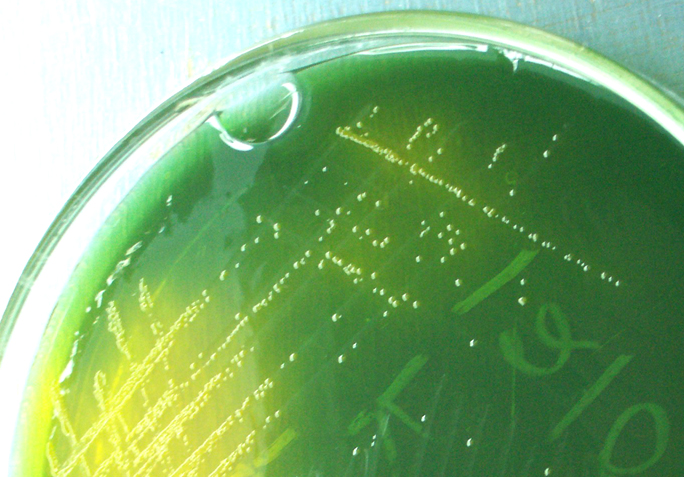
- Laboratory identification relies on culture, biochemical tests and molecular methods to detect toxigenic genes and serogroups.
For further reading on taxonomy, physiology and clinical management see specialized texts and surveillance resources: genus overview (Vibrio), clinical disease guidance (cholera), metabolic flexibility (oxygen), and classical descriptions of respiration and fermentation (anaerobic, fermentation). General pathogen information and outbreak data can be found via public health repositories and reference materials (Proteobacteria).
Related articles
Author
AlegsaOnline.com Vibrio cholerae: bacterium that causes cholera Leandro Alegsa
URL: https://en.alegsaonline.com/art/104873