
Vibrator (sensual device)
A vibrator is a device that produces vibrations against the body to provide sexual or therapeutic stimulation. Available in many shapes, materials and power sources, it is used solo or with partners.
Overview
A vibrator is a device designed to generate mechanical oscillations that are applied to the body to create pleasurable sensations. Commonly used for sexual stimulation, many vibrators are also employed for general muscle massage or in clinical settings to assist with sexual health. Modern devices range from small, discreet models to larger external massagers and wearable designs.
Image gallery
10 Images






Design and features
Vibrators typically include a motor, a housing, and a power source such as replaceable batteries, rechargeable cells, or mains power. They are made from materials like silicone, ABS plastic, metal, or rubber; non-porous, body-safe materials are preferred for hygiene. Controls may offer multiple speeds, pulse patterns, or app-based remote operation. For information on mechanics and safety considerations, see the manufacturer's guidance: manufacturer guidance.
Types
- Bullet and egg — compact, often for localized stimulation.
- Wand — larger external massagers with strong motors.
- G-spot and internal vibrators — shaped for internal stimulation.
- Wearable and remote-controlled devices — designed for hands-free or partner play.
History and context
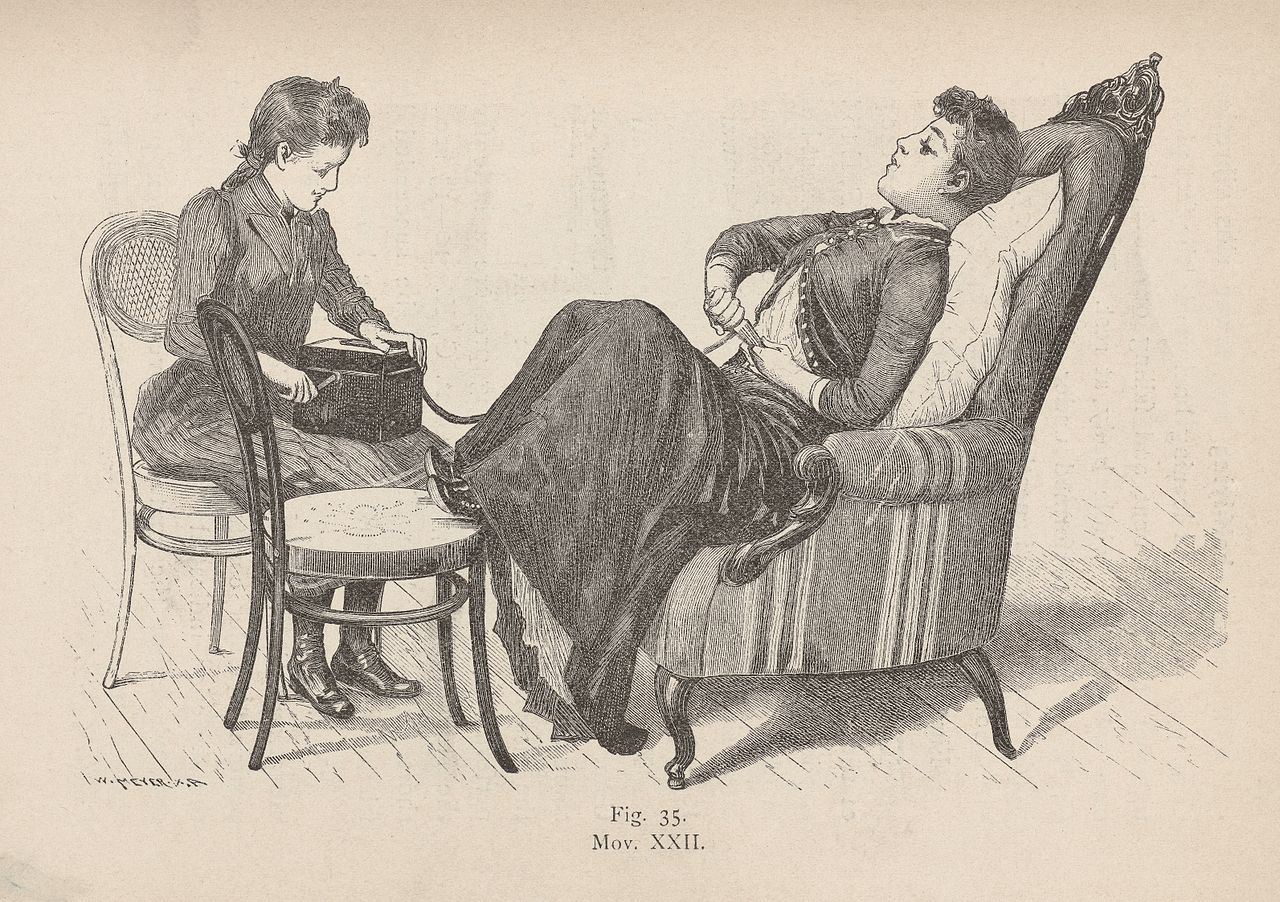
Early vibrating devices were developed both as household massagers and, later, marketed for intimate use. Over the 20th and 21st centuries they moved from medical and novelty items into mainstream adult markets as social attitudes shifted and technology miniaturized. Contemporary conversations also address design, inclusivity, and safety standards.
Uses, safety and considerations
People use vibrators for solo pleasure, to enhance partnered sex, and for therapeutic purposes such as addressing sexual dysfunction or increasing body awareness. Basic safety measures include cleaning according to material, avoiding shared use without barrier protection, and following charging and waterproof ratings. Vibrations act on sensory nerves and soft tissues to produce stimulation; for summaries of physiological effects see nerve stimulation resources and for consumer advice visit further resources.
Distinctions and notable facts
Vibrators differ from non-vibrating devices (such as simple dildos) in that they add rhythmic motion as a key feature. The market includes models intended explicitly for therapeutic settings as well as those designed purely for pleasure. Newer internet-connected products raise additional topics such as privacy, consent and cybersecurity, which are part of ongoing consumer guidance and regulation discussions.
Related articles
Author
AlegsaOnline.com Vibrator (sensual device) Leandro Alegsa
URL: https://en.alegsaonline.com/art/104870