
Verdun (Meuse, France)
Verdun is a commune in northeastern France's Meuse department. It is best known for the First World War battle, its memorials and ossuaries, traditional dragée confections, and post‑war reconstruction links with London.
Overview
Verdun is a small city and commune in the historic region of Lorraine, situated on the river Meuse in the French Meuse department. It serves as a sub-prefecture and today has a population of roughly 18,000 residents. The urban fabric combines an old fortified core with 20th‑century rebuilding, and the town functions as a local administrative, cultural and commemorative centre.
Image gallery
10 Images




Characteristics and built environment
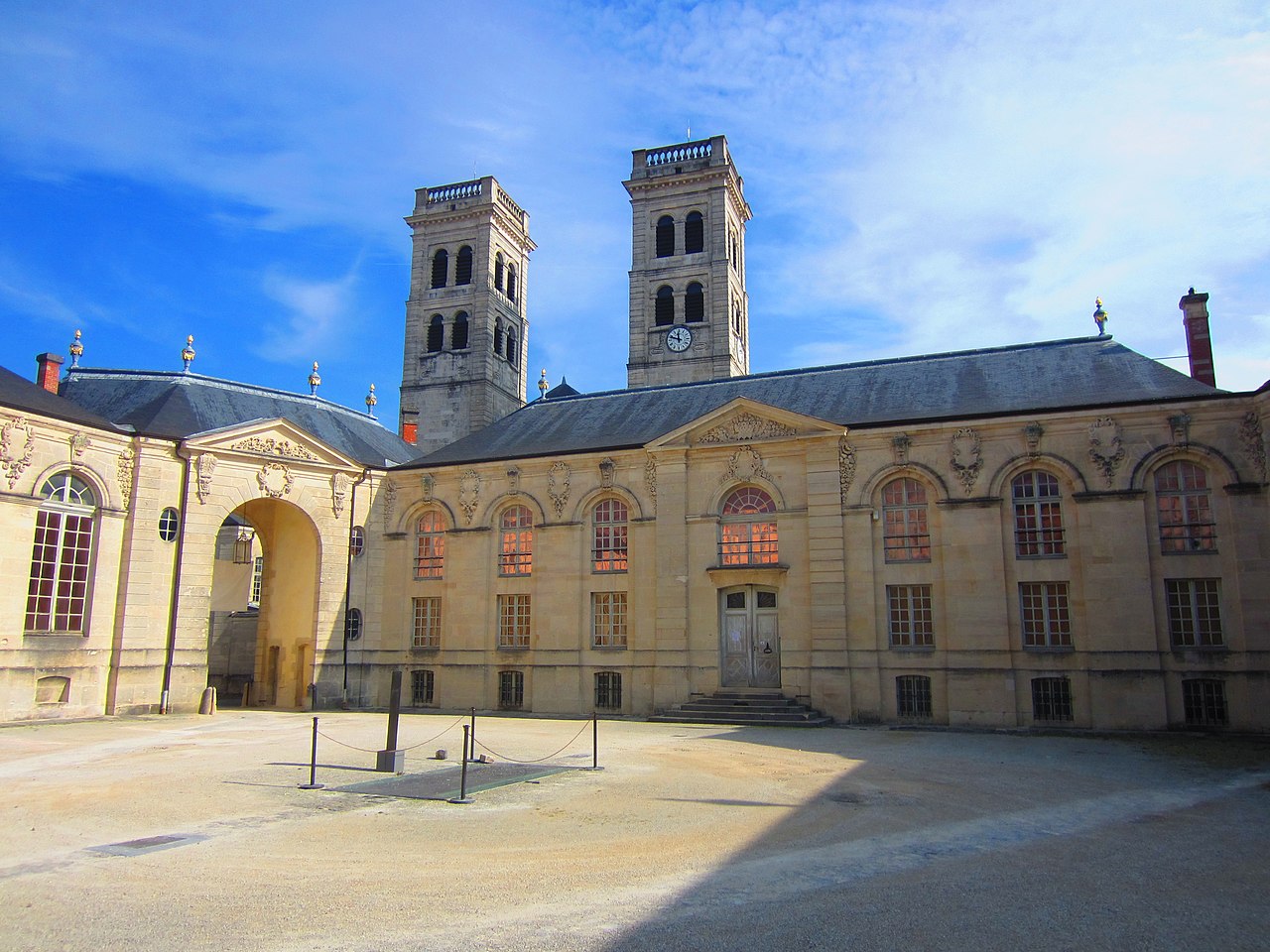
The town grew around medieval fortifications and a citadel, later supplemented by a ring of forts and modern defensive works. Many of these structures survive as ruins, restored ramparts or museum sites. Streets near the river carry names that recall historical ties and reconstruction efforts; for example the Quai de Londres (the "London Quay") commemorates British assistance after the First World War.
History and military significance
Verdun's history stretches back many centuries as a strategic crossing on the Meuse, but it became internationally prominent in the 20th century. During the First World War the area around Verdun was the scene of a prolonged and emblematic confrontation between French and German forces. The intensity of fighting and the scale of destruction left the town and surrounding landscape marked by memorials, cemeteries and preserved battlefield sites.
Heritage, memorials and museums
Visitors to Verdun encounter a dense concentration of commemorative places: ossuaries, military cemeteries, fortifications turned into museums and interpretation centres. Notable sites include fort ruins and the large ossuary and memorials that honor those who died in the fighting. These sites form part of an educational network that explains battlefield tactics, civilian impact and the process of post‑war reconstruction.
Culture, economy and local products
Beyond its military heritage, Verdun has a local culinary and craft tradition. It is known for the confection known as dragées, sugar‑coated sweets typically made with an inner core such as an almond or an anise seed. Commemorative tourism, small‑scale manufacturing and services linked to heritage preservation are important parts of the modern local economy.
Notable facts and distinctions
- Verdun is closely associated with the story of the First World War and has become a symbol of endurance and sacrifice.
- The town's reconstruction after major wartime damage drew international attention and financial support—reflected in place names such as the Quai de Londres.
- Today Verdun balances the obligations of memory with everyday civic life, hosting commemorations, museum programmes and educational visits that attract international visitors.
For those researching European urban history, military architecture or remembrance culture, Verdun offers a concentrated case study where landscape, built heritage and community memory intersect.
Related articles
Author
AlegsaOnline.com Verdun (Meuse, France) Leandro Alegsa
URL: https://en.alegsaonline.com/art/104648