
Venera: Venus and the Soviet Venera spacecraft program
Venera is the Russian name for the planet Venus and the name of the Soviet program that sent multiple spacecraft to study Venus, achieving the first probe landings and early surface data.
Overview
Venera (Венера) is the Russian name for the planet Venus and the designation used for a long-running Soviet series of spacecraft sent to study that planet. Launched between the 1960s and the 1980s, the Venera missions were designed to probe Venus's dense atmosphere and hostile surface and achieved several pioneering milestones in planetary exploration.
Image gallery
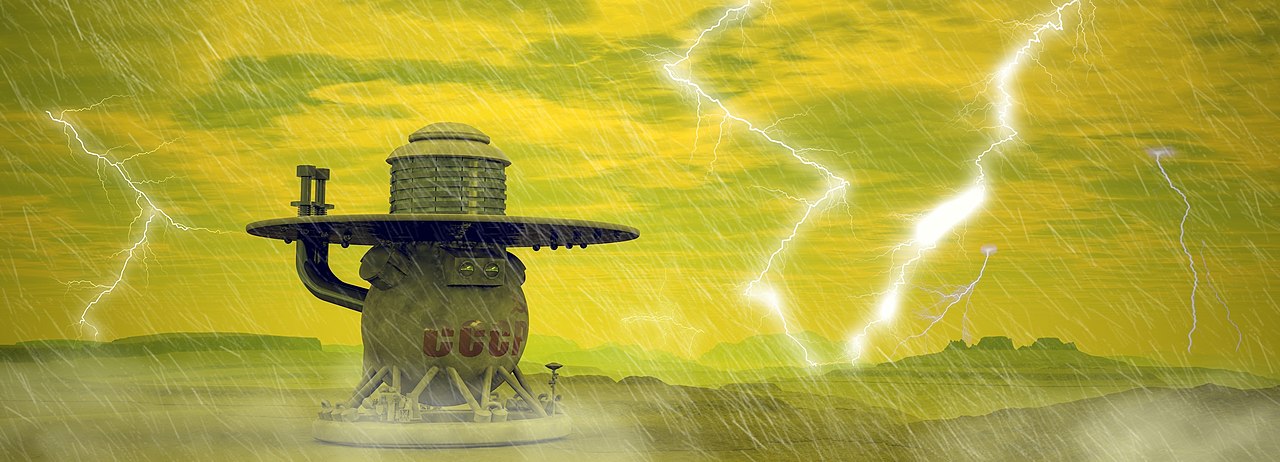
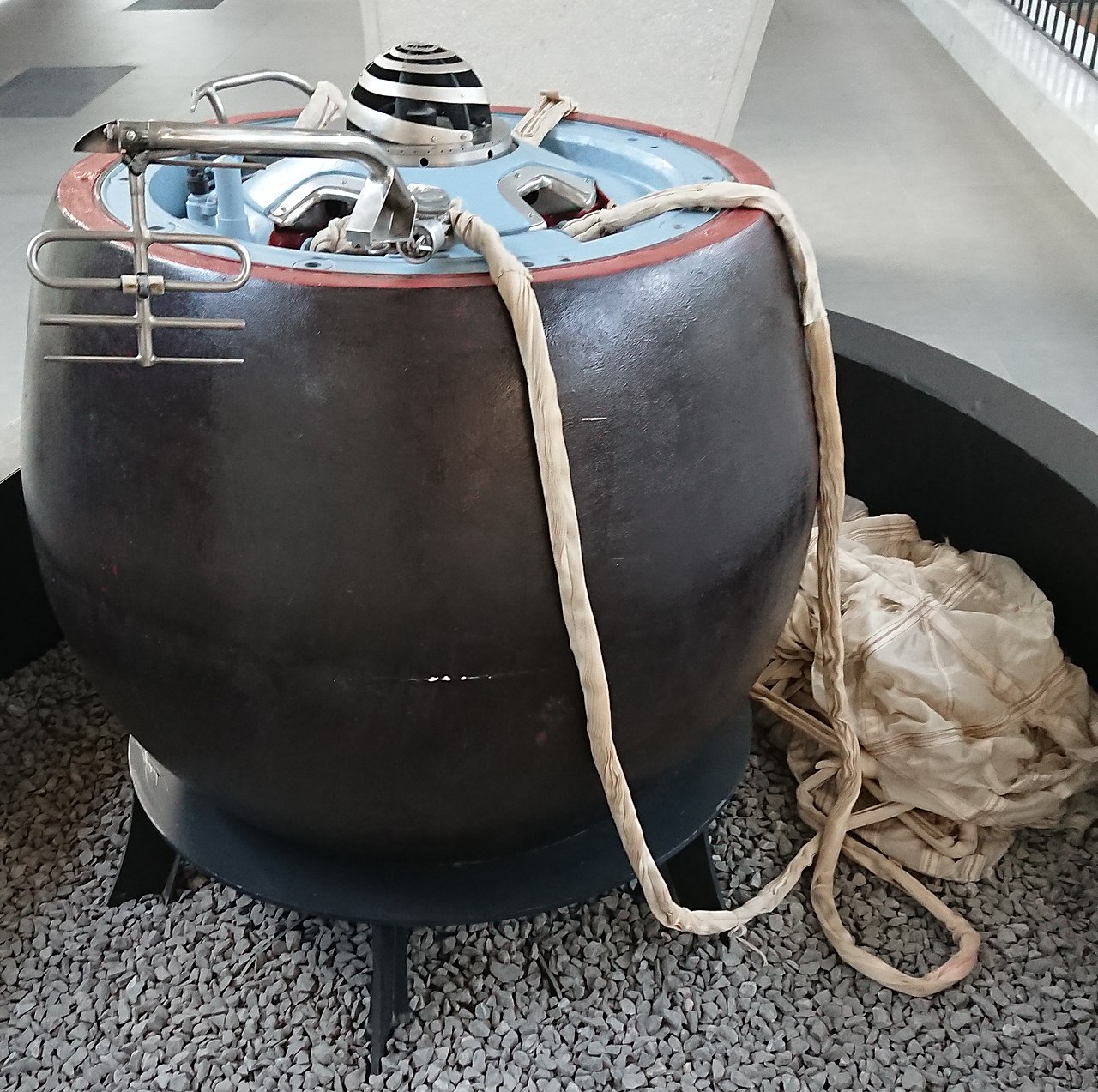
10 Images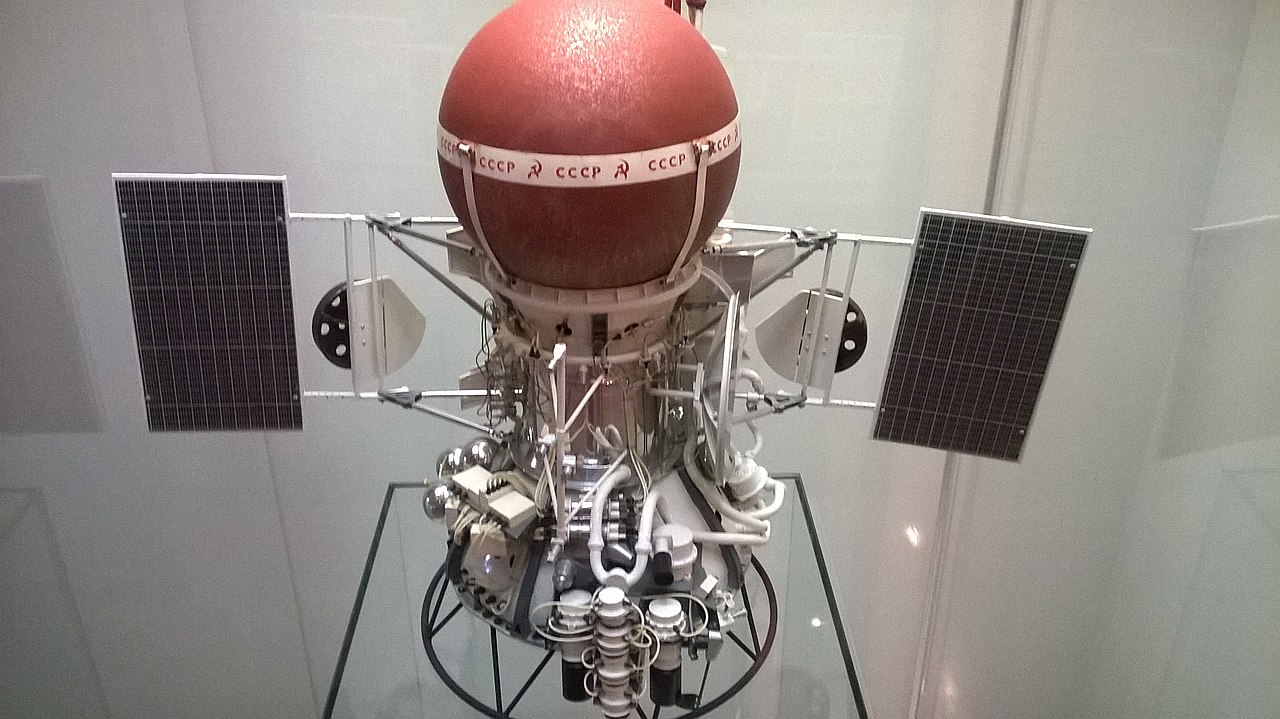




Design and engineering
The spacecraft architecture varied by mission but is best known for its robust atmospheric probes and surface landers. Engineers had to solve extreme challenges: Venus's surface temperature (hundreds of degrees Celsius) and pressure (tens of times Earth sea level) demand heat-resistant, pressure-tight housings and short but effective mission lifetimes on the ground. Many Venera landers carried parachutes, heat shields, and shock-absorbing structures as well as instrumentation for temperature, pressure, chemical analysis, imaging and atmospheric descent.
History and notable missions
The Venera program began during the Cold War as part of the Soviet planetary exploration effort. Early flights produced flyby and impact missions; later probes combined orbiters and landers to provide atmospheric profiles and surface data. Key milestones include:
- Venera 3 (1966) — the first human-made object to reach the surface of another planet, though it is believed to have crash-landed.
- Venera 7 (1970) — the first probe to transmit data back to Earth after landing on another planet, returning a short-lived but historic surface signal.
- Venera 9 and 10 (1975) — delivered the first black-and-white surface images from Venus.
- Venera 13 and 14 (1982) — provided color photographs, surface composition data and longer-duration measurements, further expanding knowledge of Venusian geology and soil chemistry.
Scientific results and legacy
Venera missions greatly advanced understanding of Venus: they measured atmospheric structure and composition, characterized clouds as containing sulfuric acid, and supplied the first direct observations of surface conditions and rock properties. The data showed a volcanic and basaltic-looking landscape and confirmed the extreme temperatures and pressures that make Venus inhospitable to conventional landers. Technically, Venera demonstrated techniques for high-temperature electronics, pressure vessels and entry systems that informed later planetary probe design.
Distinctions and continuing relevance
In addition to giving the planet its Russian name in scientific literature, the Venera program holds several "firsts" in space exploration history—first impact on another planet, first successful lander transmission from another world, and first surface images from Venus. Contemporary planetary science still relies on Venera results when planning new missions; the program remains an important chapter in the exploration of our nearest planetary neighbor and the history of spaceflight. For general information about the planet, see Venus, and for program-level overviews consult resources on the Venera program.
Related articles
Author
AlegsaOnline.com Venera: Venus and the Soviet Venera spacecraft program Leandro Alegsa
URL: https://en.alegsaonline.com/art/104541