
Three Peaks Challenge (Great Britain): Guide to the National Three Peaks
Endurance challenge to climb the highest mountains of Scotland, England and Wales within 24 hours; covers peaks, routes, logistics, safety, charity fundraising and notable facts.
The Three Peaks Challenge is an endurance event in which teams attempt to climb the three highest mountains on the island of Great Britain within a 24‑hour period. Participants usually aim to summit Ben Nevis, Scafell Pike and Snowdon and travel by road between them while completing the walking, running or hill‑walking sections as quickly as possible. The challenge attracts charity fundraisers, outdoor clubs and individuals seeking a strenuous, well‑defined test of fitness and navigation. For a general introduction to the idea see Three Peaks Challenge overview and for geographic context consult sources on the island of Great Britain and the term Great Britain itself.
Image gallery
6 Images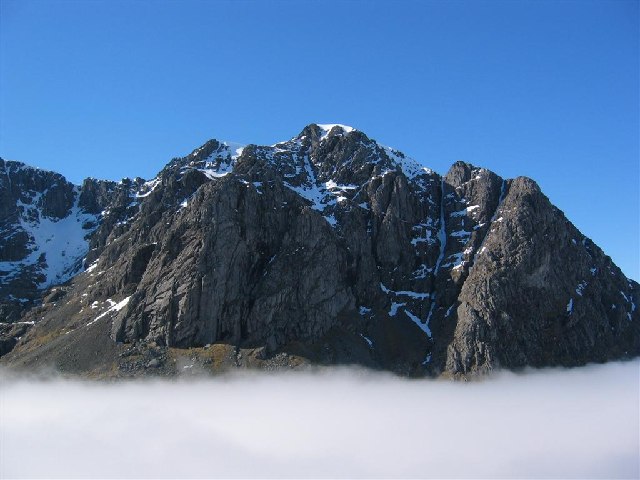
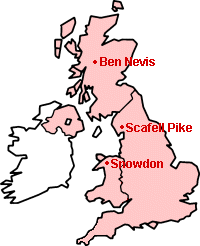


The three peaks
- Ben Nevis — the highest mountain in Scotland, rising to about 1,344 metres. Located near Fort William, its usual approach follows the well‑worn Pony Track from Glen Nevis.
- Scafell Pike — the tallest point in England, approximately 978 metres high. It lies in the Lake District and is commonly climbed from Wasdale Head or Borrowdale.
- Snowdon — the highest summit in Wales, about 1,085 metres. Popular routes include the Llanberis Path and the Pyg and Miners' Tracks.
Each of these mountains offers a mixture of steep ascent, rocky terrain and changeable weather. The order in which teams attempt them varies; some groups start in Scotland and finish in Wales, others reverse that order. Driving legs connect the summit car parks and typically dominate the non‑walking portion of the clock; because public roads link the three regions, team logistics are an important part of planning.
Logistics, support and safety
Completing the challenge within 24 hours requires careful planning of start times, driving routes and rest stops. Many teams travel with a small support crew to handle transport, navigation between peaks, food and equipment — roles often described as driving, organising kit and preparing meals for walkers: see examples of support arrangements at support crew roles. Key practical considerations include appropriate footwear and waterproof clothing, route knowledge or map and compass skills, headlamps for night sections, and contingency plans for severe weather or injury. Because conditions on summits can change rapidly, teams are advised to check mountain forecasts and carry emergency communication equipment.
History, culture and fundraising
The Three Peaks Challenge emerged as an organised challenge and fundraising activity in the late 20th century and has since become a popular charity event. Many participants use the challenge to raise money for causes, securing sponsorship from friends and family as they attempt the route; for guidance on charity events and fundraising see resources at charity fundraising. The event has been embraced by a range of people — from casual hikers fulfilling a personal ambition to experienced fell runners and athletes aiming for fast times.
Variations, records and notable facts
There are several ways to approach the Three Peaks: some teams walk at a steady pace aiming to finish within the 24‑hour window, others run sections or use formal organised events with vehicle support. Reported fastest completions are substantially below the 24‑hour target — times around fifteen hours have been claimed in different years — but such performances are exceptional and demand advanced fitness, route familiarity and ideal conditions. The National Three Peaks should not be confused with other local "three peaks" challenges elsewhere, and it specifically refers to the highest peaks of Scotland, England and Wales on the island of Great Britain.
Before attempting the challenge, prospective participants should research routes, consider guided options, ensure appropriate insurance and medical preparedness, and assess whether a support crew or organised operator is appropriate for their aims. Further reading and planning resources are available through national mountain organisations and local route guides; see starter links on each peak and general information at the entries above for more detail.
Questions and answers
Q: What is the Three Peaks Challenge?
A: The Three Peaks Challenge is a task that involves climbing three British mountains in under 24 hours.
Q: Which are the three highest mountains included in the Three Peaks Challenge?
A: The three highest mountains in the Three Peaks Challenge are Ben Nevis (highest mountain in Scotland), Snowdon (highest mountain in Wales), and Scafell Pike (highest mountain in England).
Q: Why do many people attempt the Three Peaks Challenge?
A: Many people attempt the Three Peaks Challenge to raise money for charity.
Q: How do people raise money for charity during the Three Peaks Challenge?
A: People raise money for charity during the Three Peaks Challenge by getting their friends and family to sponsor them.
Q: Do people attempt the Three Peaks Challenge only for charity?
A: No, many people attempt the Three Peaks Challenge because they enjoy walking in the mountains and want to try something hard.
Q: Who usually do the Three Peaks Challenge in small groups?
A: People who attempt the Three Peaks Challenge for personal enjoyment usually do it in small groups.
Q: What is the record time for completing the Three Peaks Challenge?
A: The record time for completing the Three Peaks Challenge is fifteen hours.
Related articles
Author
AlegsaOnline.com Three Peaks Challenge (Great Britain): Guide to the National Three Peaks Leandro Alegsa
URL: https://en.alegsaonline.com/art/99650