
Valga County
Valga County is a southern county of Estonia bordering Latvia, noted for hilly terrain, protected landscapes (Otepää, Karula, Koiva-Mustjõe), outdoor recreation and the border town of Valga–Valka.
Overview
Valga County occupies a portion of southern Estonia along the border with Latvia. Its administrative centre is the town of Valga, which forms a historic cross‑border urban area with the Latvian town of Valka. The county combines forested highlands, lakes and river valleys, and it is valued for both its natural environment and seasonal outdoor recreation.
Geographically the area contains rolling hills and numerous small lakes that contrast with Estonia's generally flat northern lowlands. The landscape supports mixed forests and a network of rivers, including stretches of the Koiva (Gauja) river valley that are important for biodiversity and scenic value. These features make the county a focus for protected areas and nature tourism.
Image gallery
10 Images


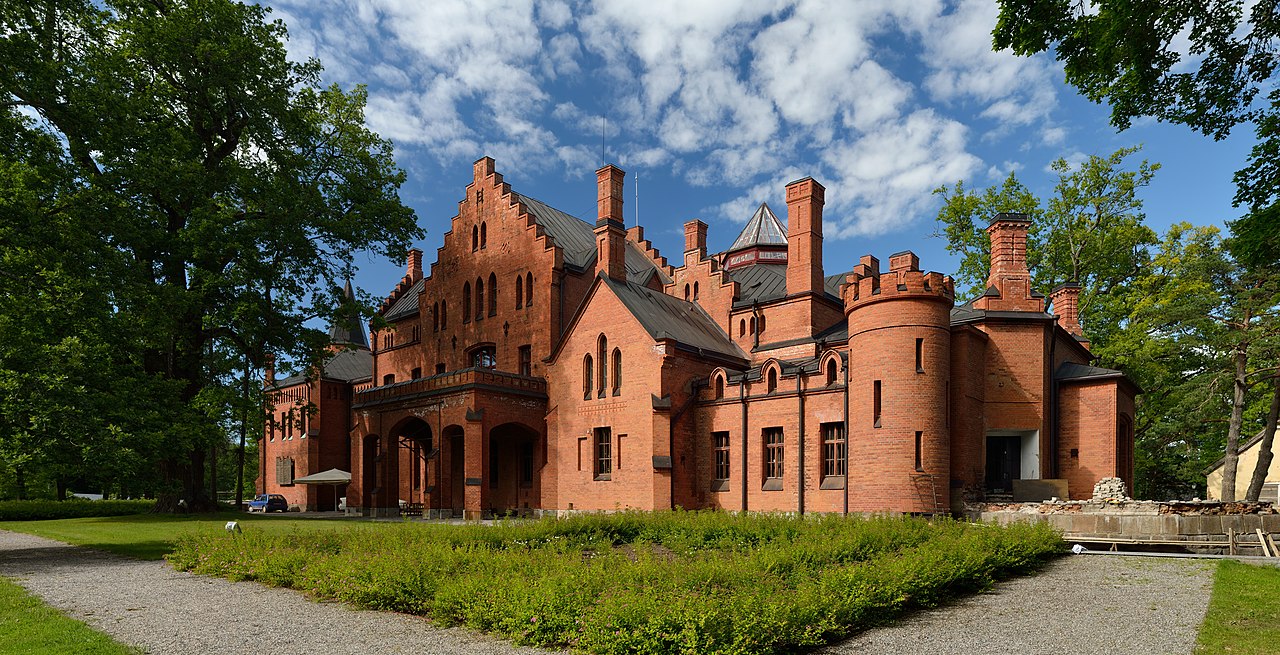
Protected areas and natural highlights
- Otepää Nature Park – Known for its hilly terrain and winter sports facilities around the town of Otepää, often called Estonia's "winter capital."
- Karula National Park – A patchwork of small lakes, hills and meadows; parts of the park extend into the county and conserve traditional rural landscapes.
- Koiva-Mustjõe Landscape Conservation Area – Protects a long stretch of river valley and its floodplain ecosystems along the border with Latvia.
These protected areas support hiking, cross‑country skiing, birdwatching and small‑scale nature tourism. The combination of hills and winter conditions around Otepää also attracts sports events and training camps.
Administratively, Valga County is organised into three municipalities following Estonia's recent local government reforms. The county combines an urban centre in Valga with surrounding rural parishes that include small towns and villages, farmland and forested tracts. Local economies typically mix forestry, agriculture, services and tourism, with cross‑border commerce playing a role in towns near the frontier.
Historically the area has been shaped by the wider Baltic region's complex past: medieval Livonia, periods of Swedish and Russian rule, and the emergence of independent Estonia in the 20th century. The border drawn after World War I separated the twin settlements of Valga and Valka but today they cooperate on many cultural and economic initiatives, illustrating the county's cross‑border connections.
For orientation, the county lies at approximately 57°52′N 26°10′E. Further information about the region's role within Estonia, its tourism offerings, and local administration can be explored through regional resources and travel guides.
Questions and answers
Q: What is Valga County and where is it located?
A: Valga County is a county located in Estonia.
Q: What is the name of the capital city of Valga County?
A: The capital city of Valga County is also named Valga.
Q: What are some natural parks and conservation areas in Valga County?
A: Otepää Nature Park, Karula National Park and Koiva-Mustjõe Landscape Conservation Area are all located in Valga County.
Q: How many municipalities are there in Valga County?
A: There are three municipalities in Valga County.
Q: What are the coordinates of Valga County?
A: The coordinates of Valga County are 57°52′N 26°10′E / 57.867°N 26.167°E / 57.867; 26.167.
Q: Is Valga County located in Estonia, Europe?
A: Yes, Valga County is located in Estonia, which is a country in Europe.
Q: Can tourists visit the natural parks and conservation areas in Valga County?
A: Yes, tourists can visit the natural parks and conservation areas in Valga County.
Related articles
Author
AlegsaOnline.com Valga County Leandro Alegsa
URL: https://en.alegsaonline.com/art/104027