
Valle del Cauca: geography, history, economy and culture
Valle del Cauca is a southwestern department of Colombia centered on the Cauca River valley; its capital is Cali and it combines Andean highlands, Pacific lowlands, agriculture, industry and vibrant cultural traditions.
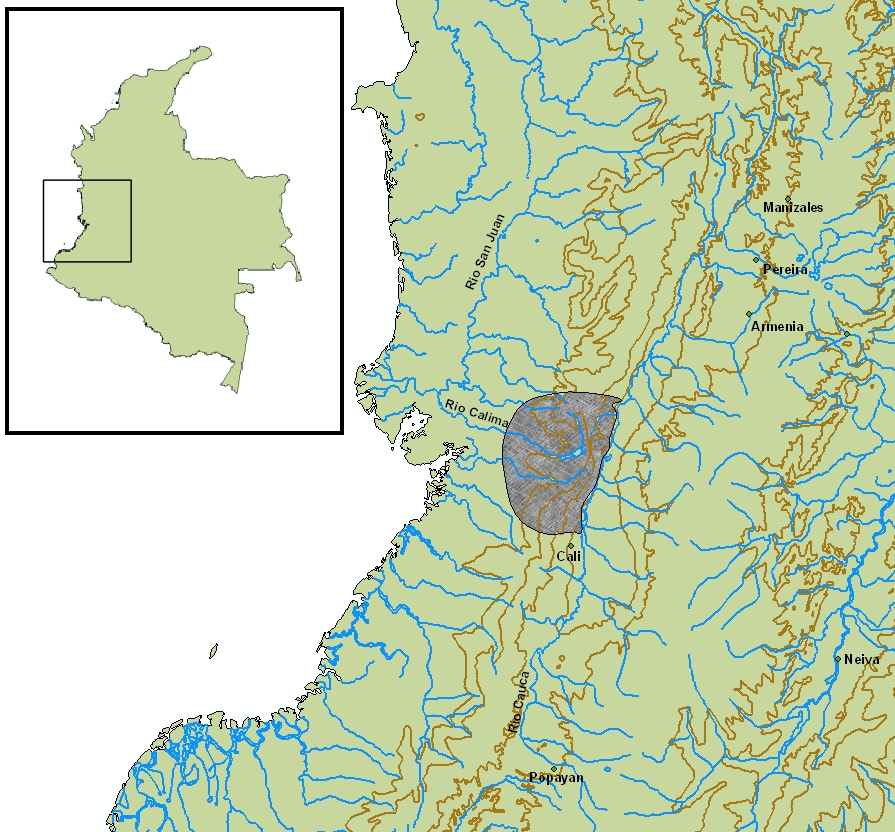
Valle del Cauca is a department in southwestern Colombia that takes its name from the valley of the Cauca River. Bordered by Andean mountain ranges to the east and west and by the Pacific lowlands to the west, the territory links inland valleys with the nation's principal Pacific port areas. Its administrative capital and largest city is Cali, a major urban, cultural and commercial center.
Image gallery
6 Images


Geography and environment
The department includes a wide range of landscapes and climates. The central Cauca Valley is a generally fertile corridor used for intensive agriculture; higher elevations on the Andean flanks host cloud forests and cooler towns; the western sector descends into humid Pacific lowlands with rainforest and mangrove environments. The Cauca River is the main drainage artery, with numerous tributaries and irrigation networks that shape land use.
Economy and land use
Valle del Cauca has a diversified economy built on agriculture, manufacturing, services and port activities. Sugarcane cultivation and processing are historically important across the valley, alongside staple crops and agroindustry. The department also supports textile, food-processing and light manufacturing sectors, and serves as a transport corridor connecting interior regions to the Pacific coast.
Cities, culture and society
Cali is notable for its musical and dance traditions, especially salsa, and for cultural events that draw national attention. Other important municipalities include Palmira, Tuluá and Cartago, as well as the Pacific port city of Buenaventura, which links Colombia to international shipping lanes. Valle del Cauca's population is culturally diverse, reflecting indigenous, Afro-Colombian and mestizo communities.
History and development
Indigenous peoples inhabited the Cauca valley long before European contact; Spanish colonization reshaped settlement patterns, agriculture and land tenure. Over time the valley developed as an agricultural heartland and an axis of internal trade, while cities such as Cali grew into regional administrative and cultural centers. Economic modernization in the 20th century expanded industry and transport infrastructure.
Notable facts and distinctions
- Named for the Cauca River, the department plays a central role in Colombia's inland-to-Pacific transport routes.
- Its capital, Cali, is a national hub for music, festivals and higher education.
- Buenaventura functions as a principal Pacific port serving the country’s international trade.
- For reference as an administrative entity, see the department-level entry department.
Valle del Cauca's mix of ecosystems, economic activities and cultural life makes it one of Colombia's most dynamic departments, important both for domestic production and for international maritime connections.
Related articles
Author
AlegsaOnline.com Valle del Cauca: geography, history, economy and culture Leandro Alegsa
URL: https://en.alegsaonline.com/art/104048
Sources
- dane.gov.co : "DANE"