
Valparaíso Region (V Region)
Coastal Chilean region centered on the historic port city of Valparaíso, with maritime commerce, wine valleys, tourism, diverse landscapes, and a mix of urban and rural economies.
Overview
The Valparaíso Region lies along the central Pacific coast of Chile and is commonly known by its Roman numeral designation, the V Region. Its Spanish name is V Región de Valparaíso. General position and mapping references are often given by its geographic coordinates; for one reference point see 29°54′S 71°15′W. The region combines important port facilities, coastal cities, hillside neighbourhoods and agricultural valleys inland.
Image gallery
10 Images




Geography and climate
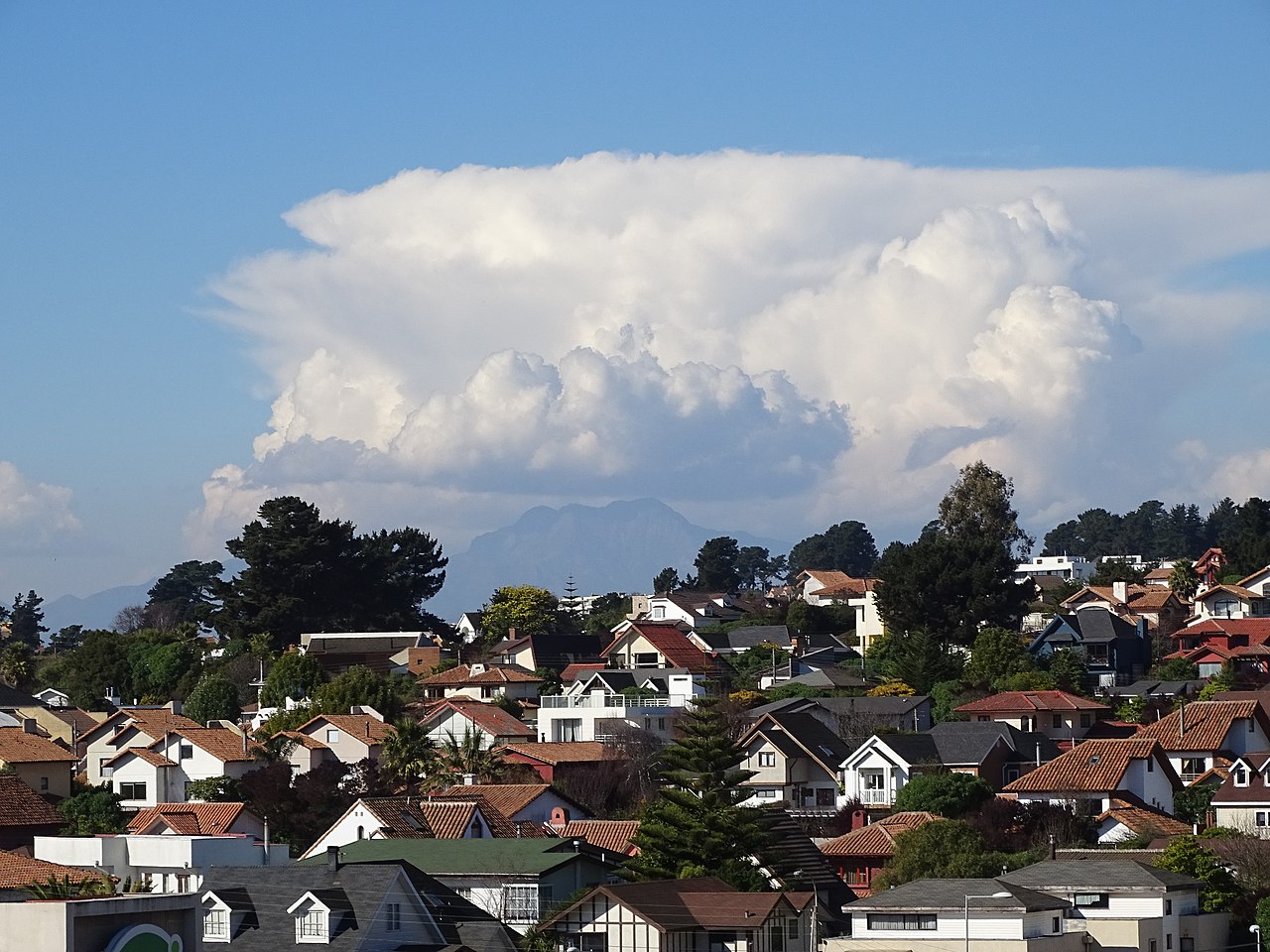
Geographically the region includes a narrow coastal strip, steep coastal ranges and inland valleys. The landscape ranges from sandy beaches and sheltered bays to terraced hillsides and fertile valleys used for fruit crops and vineyards. The area has a Mediterranean-type climate in much of the populated zone, with wet winters and dry summers, which supports viticulture in valleys such as the well-known Casablanca area.
Administration and major centres
Administratively the region is one of the country's first-level units; for an overview of national subdivisions see administrative divisions. The regional capital and principal port is Valparaíso, a city famous for its hillside urban fabric and maritime history. The coastal corridor forms a densely settled urban area that includes Viña del Mar and several inland commuter cities such as Quillota, Quilpué and Villa Alemana. Other ports and coastal towns contribute to the region's economic network.
Economy
The regional economy is diverse. Maritime commerce, container terminals and fishing support employment in the coastal zone while tourism generates seasonal activity in beach resorts and cultural sites. Agriculture and horticulture are important in the interior valleys; vineyards and fruit orchards supply domestic markets and exports. Industrial and service sectors are concentrated in the larger urban centres and around transport hubs.
Transport and infrastructure
Valparaíso's ports, road corridors and rail connections make the region a key node for freight and passenger movement along the central coast. Regular ferry and coastal shipping services, intercity highways and rail links connect the region with the Santiago metropolitan area and other parts of the country, supporting commuting, commerce and tourism.
Culture, heritage and tourism
Valparaíso is notable for its colourful hillside housing, funicular lifts and a long tradition of maritime and artistic culture. The historic quarter of Valparaíso has been recognised internationally for its distinctive urban pattern and built heritage. Viña del Mar is widely known for beaches, gardens and an annual music festival that draws national and international audiences. Visitors to the region also seek wine-route experiences, coastal scenery and local gastronomy.
History and environment
Historically the region grew with the development of Pacific shipping and later transport links with the interior. Urban growth, port activity and tourism have shaped land use patterns. Environmental concerns include coastal development pressures, the conservation of marine and terrestrial habitats and the management of water resources in a region that experiences seasonal dryness.
Further information
For current administrative maps, transport schedules and tourism guidance consult official regional and municipal sources, local tourism offices and specialised guides. These resources provide updated details on services, cultural events and planning initiatives in Valparaíso and surrounding communities.
- Valparaíso — port city and regional capital
- Viña del Mar — coastal resort city
- Quillota, Quilpué and Villa Alemana — important urban and commuter centres
Note: For mapped coordinates and basic locational data see the reference link near the top of the article. Additional municipal pages and travel resources offer practical information for visitors and residents.
Questions and answers
Q: What are the coordinates of the V Valparaiso Region?
A: The coordinates of the V Valparaiso Region are 29°54′S 71°15′W / 29.900°S 71.250°W / -29.900; -71.250.
Q: What is the capital of the region?
A: The capital of the region is the city of Valparaiso, an important Chilean seaport.
Q: What other cities are located in this region?
A: Other important cities located in this region include Viña del Mar, Quillota, Quilpué and Villa Alemana.
Q: How many first order administrative divisions does Chile have?
A: Chile has 15 first order administrative divisions.
Q: Where is Valparaiso located?
A: Valparaiso is located in Chile's V Valparaiso Region.
Q: What type of port is Valparaiso?
A: Valparaiso is an important Chilean seaport.
Q: What other regions border V Región de Valparásio? A: The bordering regions to V Región de Valpárasio are Atacama, Coquimbo, O'Higgins and Metropolitan Regions as well as Argentina and Peru to its east and south respectively
Related articles
Author
AlegsaOnline.com Valparaíso Region (V Region) Leandro Alegsa
URL: https://en.alegsaonline.com/art/104094
Sources
- inevalparaiso.cl : "Región de Valparaíso"
- ine.cl : "Población país y regiones - Actualización 2002-2012 y Proyección 2013-2020"
- corevalparaiso.cl : "Intendente"
- ine.cl : "Código Único Territorial (CUT)"