
Valerie Plame: CIA officer, the Plame affair, and later public life
Profile of Valerie Plame, a former CIA officer whose public outing in 2003 ended her covert work; covers her career, the leak investigation, books, and later run for Congress.
Valerie Elise Plame Wilson, commonly known as Valerie Plame, is a former covert officer of the Central Intelligence Agency whose identity was publicly revealed in 2003. The disclosure, widely called the "Plame affair," brought intense media, legal and political attention to questions about intelligence, whistleblowing and the handling of classified information. After her identity became public she stopped engaging in covert operations and later resigned from the agency.
Image gallery
4 Images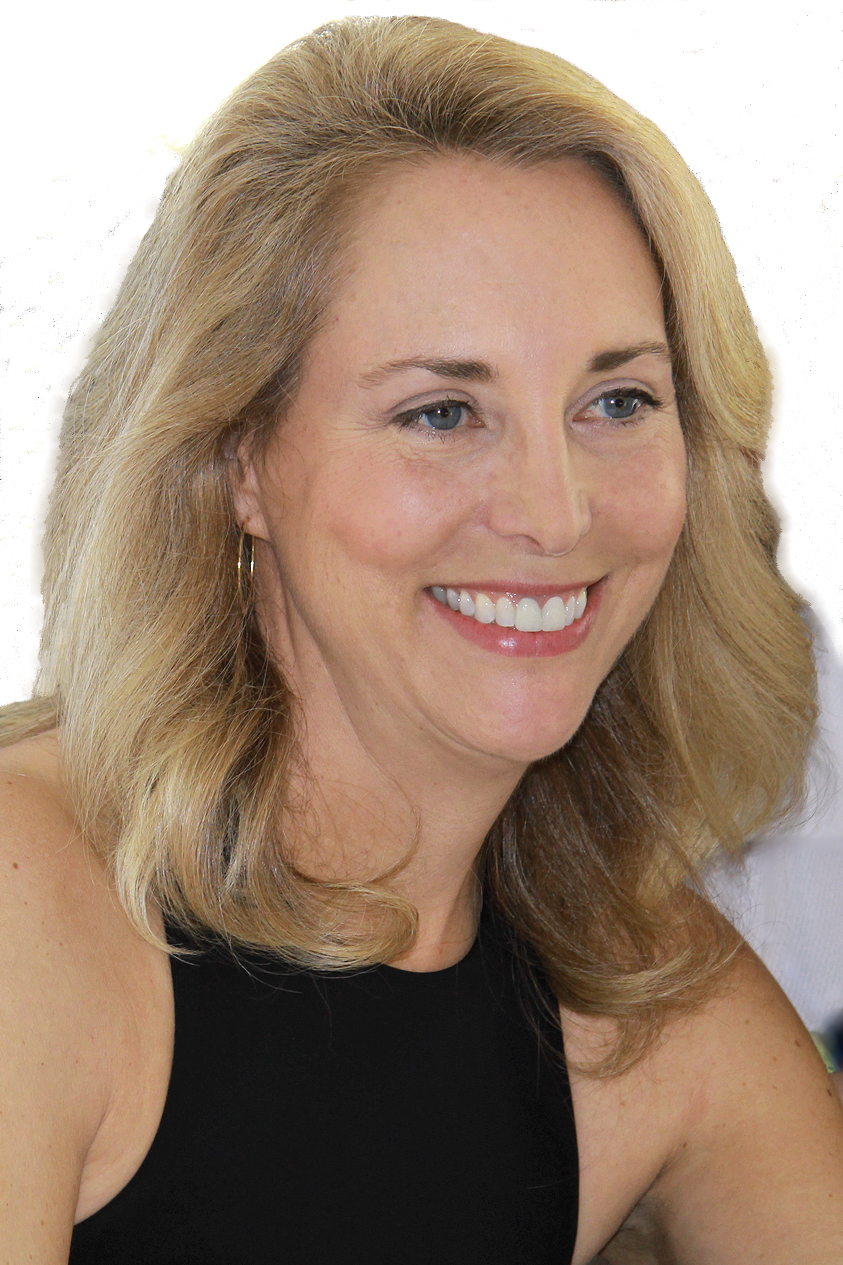


Career and role
Plame worked for the U.S. intelligence community in a capacity that involved overseas travel and contacts; public accounts describe her as having worked on nonproliferation and counterproliferation matters. She was married to diplomat Joseph C. Wilson, who publicly questioned government claims about weapons of mass destruction in the run-up to the Iraq War. The couple's differing public profiles helped focus attention when Plame's affiliation became part of a controversy about the origins and motives behind the leak.
The outing and investigation
On July 14, 2003, newspaper columns identified Plame as a CIA operative. That revelation effectively ended her covert activities and later led to a criminal investigation into the source and circumstances of the leak. A special prosecutor was appointed to examine whether laws had been broken when her identity was disclosed. The investigation produced indictments and convictions against at least one administration official for offenses related to the inquiry.
Aftermath, legal developments, and public response
The public and legal fallout touched on issues of press freedom, executive branch accountability, and the protection of intelligence personnel. The case prompted congressional hearings, court proceedings and widespread debate about how and when classified information should be revealed. Plame herself pursued civil remedies and wrote publicly about the effects of the disclosure on her life and career.
Writing, advocacy and politics
Following her departure from covert work, Plame authored books recounting her experience and perspectives on intelligence-related issues and national security. She became a visible participant in public discussions about intelligence oversight and the ethics of leaks. In 2019 she announced a campaign for the U.S. House of Representatives, seeking the Democratic nomination in New Mexico's 3rd congressional district; she ran in the 2020 primary but did not win the nomination. Her later work blends memoir, policy commentary and civic engagement.
Notable facts
- Her public outing is frequently cited in discussions of intelligence tradecraft and the protection of covert assets.
- Legal proceedings arising from the leak resulted in convictions for some officials connected to the investigation, and those outcomes affected views of both the press and the executive branch.
- Plame has remained an author and commentator on national security topics and has appeared in public forums to discuss intelligence oversight and related reforms.
For additional context on intelligence careers, leak investigations and public policy debates, readers can consult official agency histories and reporting on the judicial proceedings that followed the 2003 disclosure. For primary-source perspectives, Plame's own books and public statements describe her experiences and views on how such events shape both personal lives and broader institutional practices. For contemporary reporting and timelines of the legal process see related resources and archives available through major news organizations and public records portals (further reading).
Related articles
Author
AlegsaOnline.com Valerie Plame: CIA officer, the Plame affair, and later public life Leandro Alegsa
URL: https://en.alegsaonline.com/art/104010
Sources
- thehill.com : "Valerie Plame to run for Congress in New Mexico"