
Valentinian III, Western Roman Emperor (419–455)
Emperor of the Western Roman Empire from 425 to 455. His reign was dominated by regency, powerful generals, the loss of Africa to the Vandals, campaigns against Attila, and his violent end.
Overview
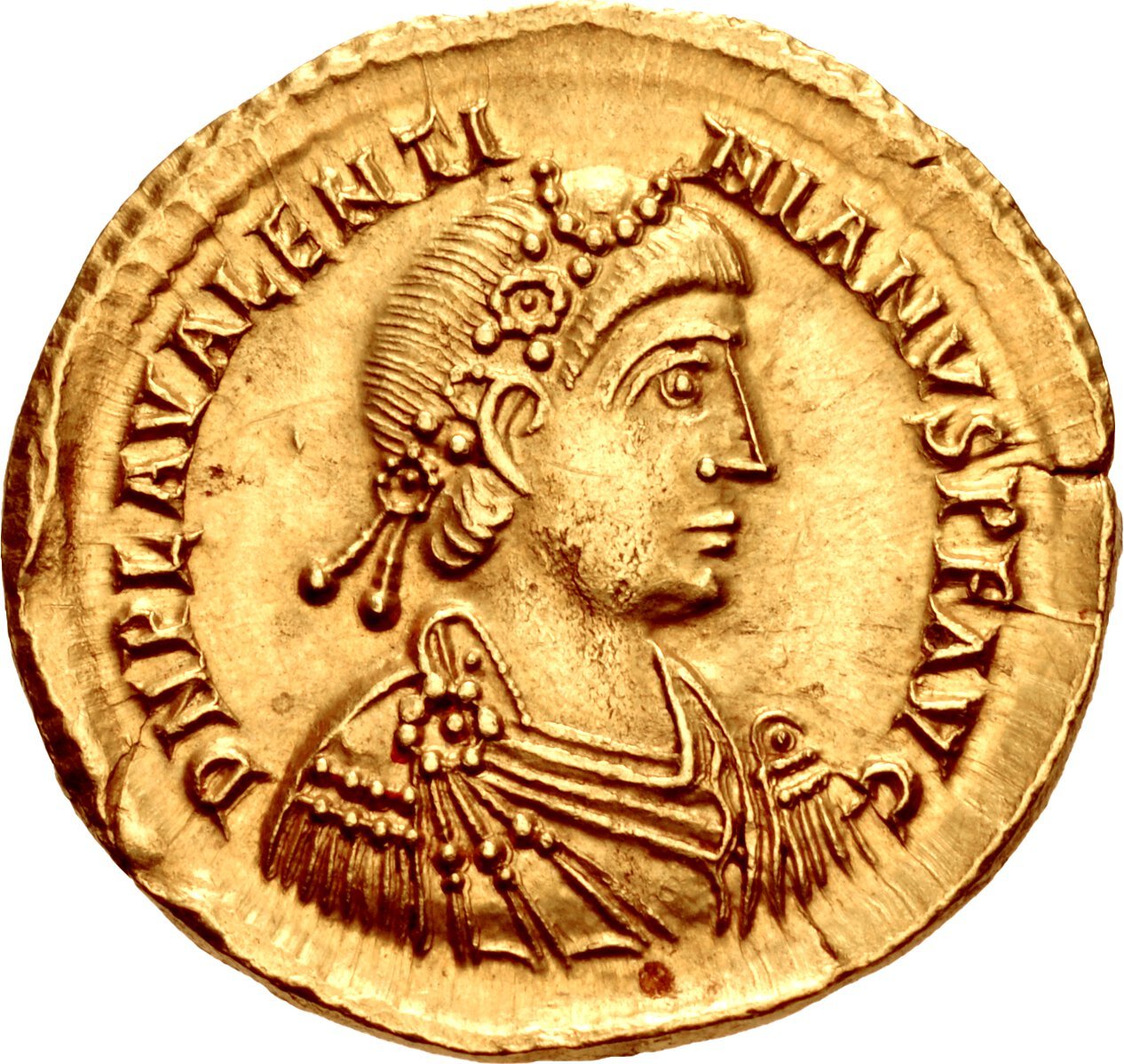
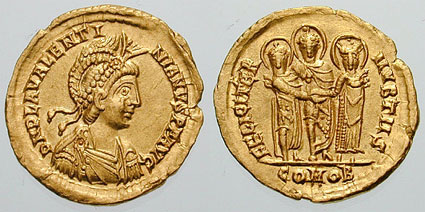
Valentinian III (Flavius Placidius Valentinianus; 2 July 419 – 16 March 455) was the Western Roman emperor from 425 until his death. Elevated as a child, he spent most of his reign under the political direction of others: his mother Galla Placidia, senior ministers and strong military figures. His period on the throne coincided with accelerating fragmentation of western imperial authority and the growing power of non-Roman kingdoms within former imperial territory.
Image gallery
6 Images


Government and court
Valentinian came to power when factional politics and dynastic ties shaped imperial succession. His mother acted as regent in the early years, and court life was dominated by high-ranking officials and generals who exercised practical control. The emperor married Licinia Eudoxia, daughter of the eastern emperor, strengthening ties with the Eastern court but relying increasingly on trusted military leaders to manage frontier and internal threats.
Military crises and foreign relations
The reign saw major military and diplomatic challenges. The Vandals under Genseric captured Carthage in 439, depriving the West of a vital grain source and naval base. In Gaul and Italy the empire faced pressure from migrating and invading groups and depended on federate allies. The most famous confrontation involved Attila, leader of the Huns: campaigns in Gaul (451) and into Italy (452) ended without the permanent conquest of Italy but demonstrated the fragile control Rome still held and the importance of coalition warfare.
Key events
- Child accession and regency under Galla Placidia.
- Loss of North African provinces and Carthage to the Vandals (mid-5th century).
- Allied resistance to Attila in Gaul and Italian diplomacy that led to Attila's withdrawal.
- Dominance of the general Aetius and his central role in western defense.
Assassination and legacy
Valentinian's later years were marked by distrust of his most powerful general. In the mid-450s he personally removed that general, a move that undermined military leadership at a critical moment. Within a short time the emperor himself was assassinated in the palace, an event that removed a central figure of continuity in the West and preceded renewed instability, including the sack of Rome later in 455. His reign is often seen as emblematic of the late Western Empire: formal imperial institutions persisted while real power rested with military commanders and regional rulers.
For a concise summary of the political entity he ruled, see Western Roman Empire. For more on the Hunnic leader who challenged his reign, see Attila.
Related articles
Author
AlegsaOnline.com Valentinian III, Western Roman Emperor (419–455) Leandro Alegsa
URL: https://en.alegsaonline.com/art/103998