
Valentino Zeichen: Italian poet, writer, and founder of the Premio Zeichen
Valentino Zeichen (1938–2016) was an Italian poet and writer noted for concise, ironic verse, his presence in Rome's literary scene, and for founding the annual Premio Zeichen prize.
Valentino Zeichen (24 March 1938 – 5 July 2016) was an Italian poet and writer whose slim, direct lines and dry humour made him a distinctive voice in late 20th-century Italian letters. Born in Fiume (a city long marked by shifting borders), Zeichen spent much of his adult life in Rome and became known both for his published poems and for his active participation in the Roman literary community.
Image gallery
1 Image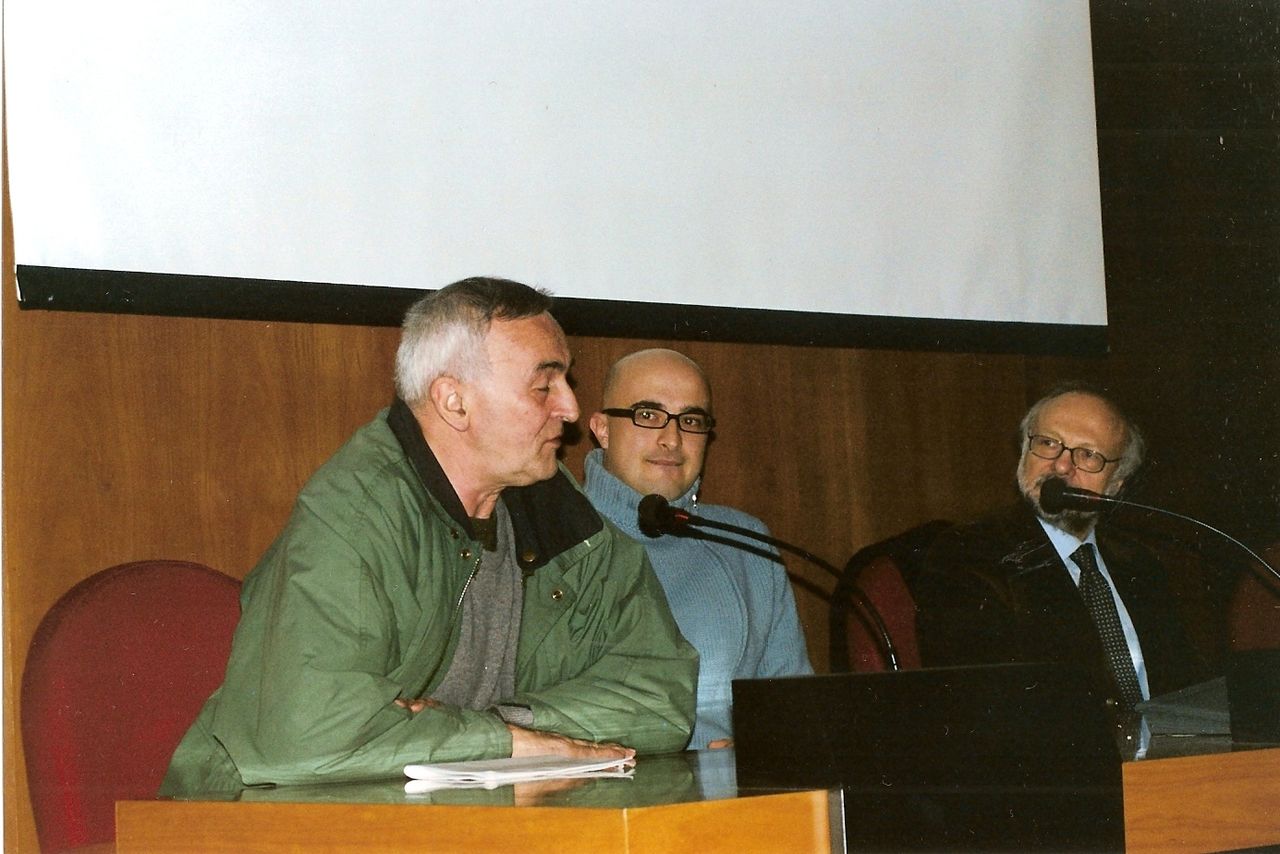
Style and themes
Zeichen's verse is often described as concise, urbane and ironic. He favored compact phrasing and worked with a tone that could be at once playful and mordant. Recurring elements in his work include everyday urban scenes, small dramatic moments, and a wry attention to language. Critics often note his ability to engage the reader quickly and to mix seriousness with comedic observation.
Career and activities
Across several decades Zeichen published poetry and prose that earned him recognition among peers and readers interested in modern Italian poetry. He became particularly known in Rome for hosting events, readings and for engaging with younger poets. In addition to his own writing, Zeichen established a visible institutional presence by creating an annual literary prize that brought attention to contemporary poets.
- Premio Zeichen: an annual award held each December in Rome, organized in Zeichen's name and associated with his personal involvement.
- Jury role: for many years Zeichen served as the only member of the prize jury, a fact often remarked upon in coverage of the award.
Reception and legacy
While not a household name outside Italy, Zeichen is remembered among readers and critics for a poetic voice that balanced economy of language with wit. His poems are frequently cited as examples of how irony and brevity can coexist with emotional depth. The Premio Zeichen continues to be a part of his public legacy, sustaining interest in contemporary Italian poetry and in the kinds of concise, lyric experimentation he favored.
Valentino Zeichen died in Rome on 5 July 2016 at the age of 78. Obituaries and remembrances highlighted both his written work and his role as a prominent, sometimes eccentric figure within Rome's literary circles. For readers approaching his work today, Zeichen offers a clear, economical poetics and an example of postwar Italian literary life rooted in the city.
Related articles
Author
AlegsaOnline.com Valentino Zeichen: Italian poet, writer, and founder of the Premio Zeichen Leandro Alegsa
URL: https://en.alegsaonline.com/art/104001
Sources
- repubblica.it : "è morto Valentino Zeichen, un poeta dandy e paradossale"