
Valencia, Spain
Valencia is a Mediterranean port city and the capital of the Valencian Community, with about 800,000 inhabitants. It is known for a historic centre, the City of Arts and Sciences, paella and the Fallas festival.
Overview
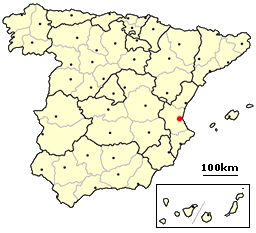
Valencia is a coastal city in Spain, situated on the Mediterranean shoreline. It serves as the administrative capital of the Valencian Community and is one of the country’s largest urban centres, with roughly 800,000 residents. The city combines a compact historic core with modern cultural and scientific facilities and an active commercial port.
Image gallery
10 Images


Layout and notable places
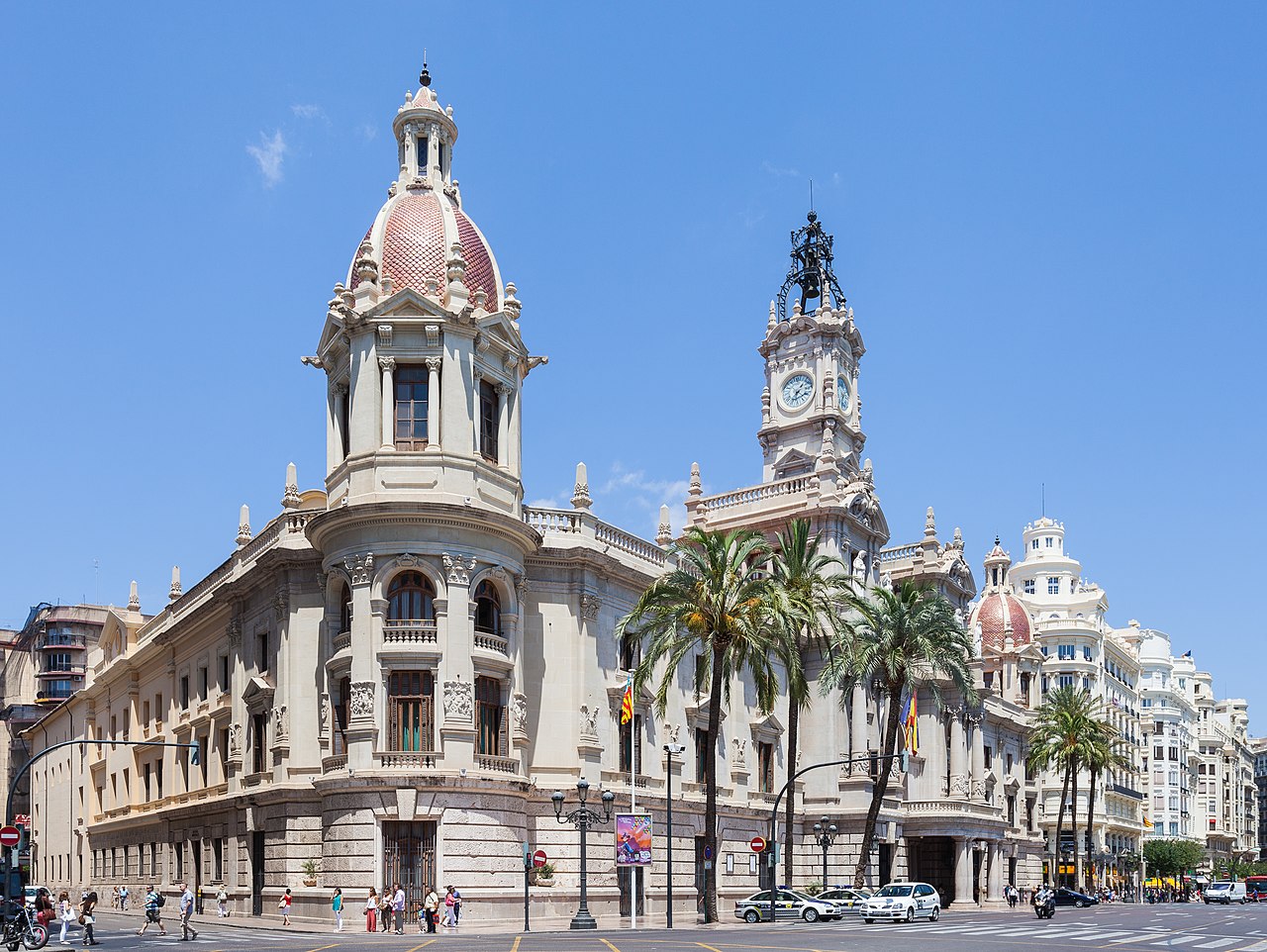
The urban fabric includes the medieval Old Town (Ciutat Vella), a wide river-bed park created from the diverted Turia river, long beaches and a busy harbour. A contemporary complex known as the City of Arts and Sciences is a prominent architectural and cultural destination. Other notable sites include market halls, Baroque churches and museums that preserve local art and history.
Climate
Valencia’s climate is typically Mediterranean, with hot, dry summers and mild, wet winters, though it sits near a drier, semi-arid fringe. In climate classifications this is often described using the Köppen system: references note both the hot-summer Mediterranean type and a borderline hot semi-arid type, terms found in climatic discussions and mapping Köppen classifications. The hot-summer Mediterranean label is sometimes abbreviated as Csa.
History and development
The city has ancient roots, with settlement and economic activity documented since antiquity. Over centuries it was shaped by Roman, Visigothic and Islamic periods, and later the Christian reconfiguration of medieval Spain. Industrial expansion, port activity and tourism drove modern growth, while the historic centre and traditional crafts remain important to local identity.
Culture, economy and events
Valencian culture is expressed in its language variants, cuisine and annual festivities. The region is strongly associated with paella and orange cultivation; the Spring festival known as Las Fallas, held broadly in March, draws large numbers of visitors for its street parades, sculptures and fireworks. The economy mixes maritime trade, tourism, agriculture from surrounding plains and a growing services and technology sector. In a broader European context the city plays a notable regional role within the continent.
Facts and distinctions
- Administrative capital of the Valencian Community and an important Mediterranean port.
- Combines a well-preserved historic centre with contemporary cultural institutions and large public green spaces.
- Located on the Mediterranean coast of Spain and often featured in climatic and geographic references to the region (Mediterranean coast).
For further reading on climate classifications and related regional descriptions see general references on the Köppen system and on the designation of Mediterranean climates such as Csa. Additional overviews and travel or civic resources are available through city and regional portals about Valencia and national information pages about Spain.
Related articles
Author
AlegsaOnline.com Valencia, Spain Leandro Alegsa
URL: https://en.alegsaonline.com/art/103976