
Valley Forge National Historical Park
Historic site near Philadelphia where the Continental Army encamped in winter 1777–78; today a National Historical Park preserving buildings, memorials, trails, and interpretation.
Overview
Valley Forge National Historical Park preserves the site of the Continental Army's winter encampment of 1777–1778 and interprets the events, people, and landscape associated with that pivotal episode of the American Revolution. The park encompasses roughly 3,500 acres and lies about 25 miles north of Philadelphia in Pennsylvania, within the broader region of eastern Pennsylvania. Established by the U.S. Congress in 1976, the park is administered by the National Park Service and combines historic structures, reconstructed huts, museums, memorials, and extensive recreational trails.
Image gallery
10 Images



Historical significance
From December 1777 into the spring of 1778, General George Washington and the Continental Army occupied the area, enduring a harsh winter while reorganizing and training. Valley Forge was not the site of a battle; rather it served as a large encampment where soldiers faced shortages of food, clothing, and shelter. Contemporary accounts and later histories note that many troops suffered from cold and disease; estimates vary, and hundreds are believed to have died during or as a consequence of that winter.
Beyond the suffering, the encampment became a turning point in terms of discipline and preparedness. Under officers such as Baron von Steuben, and through reforms in supply and training, the army emerged more professionalized. Washington recorded the ordeal in a letter of February 16, 1778: "Naked and starving as they are we cannot enough admire the incomparable patience and fidelity of the soldiery." That mix of hardship and improvement is central to the site's historical interpretation.
Park features and collections
- Historic buildings, including Washington's headquarters and other period houses and barns, are preserved and interpreted for visitors.
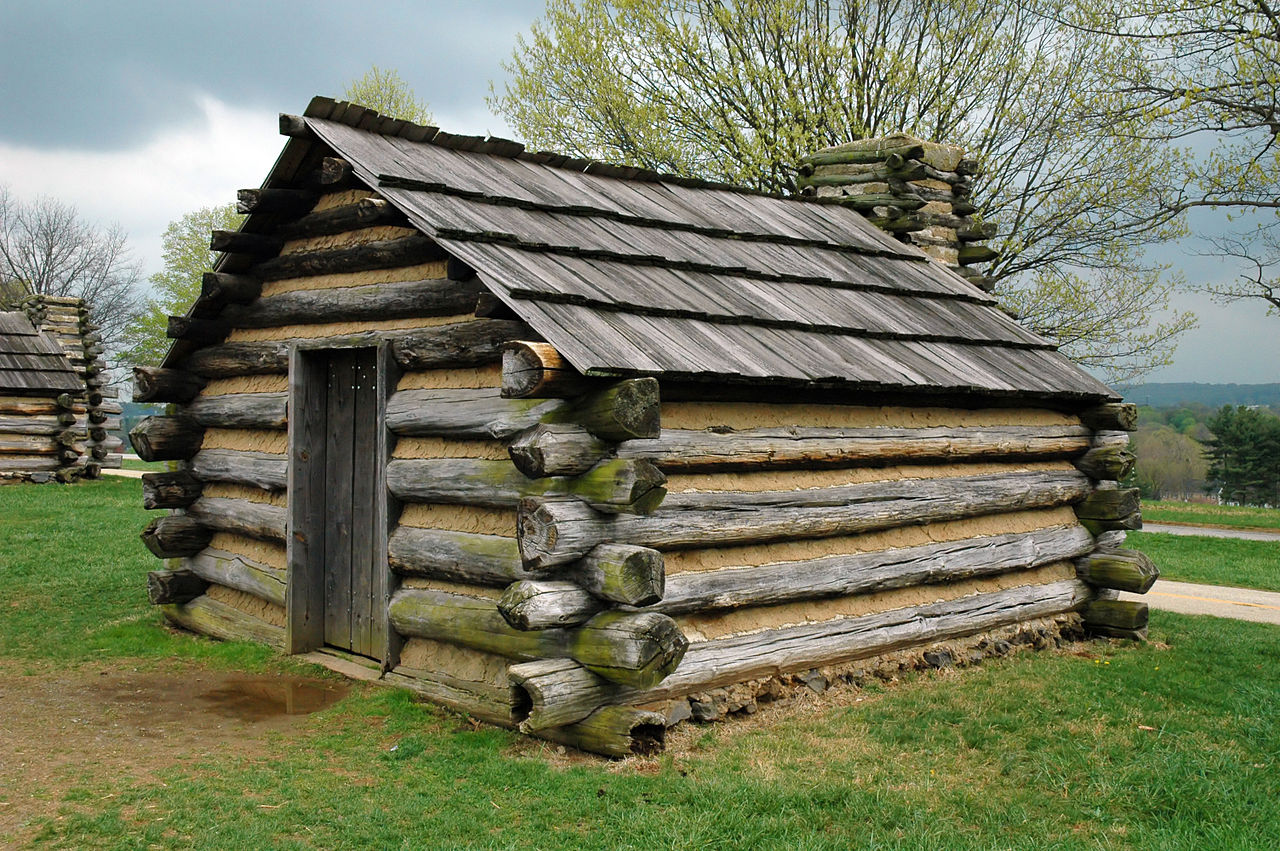
- Reconstructed soldiers' huts and displays illustrate the daily lives of enlisted men during the encampment.
- Museums and visitor centers provide artifacts, exhibits, and educational programs that explain military, social, and logistical aspects of the winter.
- Monuments and memorials, such as the National Memorial Arch and other commemorative works, recognize units, leaders, and the broader struggle for independence.
Visiting, education, and recreation
The park is open year-round and offers interpreted walks, ranger talks, living-history demonstrations, and school programs designed to contextualize the Revolutionary-era experience. Recreational opportunities include miles of trails for hiking, biking, and cross-country skiing on parklands that combine wooded ridges and open meadows. Visitor services include guided tours of key structures, educational brochures, and seasonal events that focus on different themes—soldiering, civilian support networks, supply challenges, and the role of training and leadership.
Notable distinctions and context
Valley Forge stands out not because of a single battle but because of its symbolic role in the American Revolution: a place where endurance, organization, and reform helped shape the Continental Army's future performance. The site preserves everyday material culture as well as formal memorials, allowing visitors to examine both the human cost and the institutional changes that occurred there. For more practical information about hours, guided programs, and special exhibitions, consult the park’s official resources and interpretive pages: visitor information and education programs.
Related articles
Author
AlegsaOnline.com Valley Forge National Historical Park Leandro Alegsa
URL: https://en.alegsaonline.com/art/104067