
Usulután Department, El Salvador
Coastal department in southeastern El Salvador established in 1865, known for its capital Usulután, Jiquilisco Bay, agricultural economy, mangrove wetlands and port communities.
The Usulután Department occupies a coastal and interior portion of southeastern El Salvador and takes its name from its capital city, Usulután. Created on June 22, 1865, the department combines low-lying Pacific coastlines, estuarine bays and rolling inland plains. Its coastal waters and shorelines support fishing and port activity while the interior lands are used predominantly for agriculture and grazing.
Image gallery
3 Images
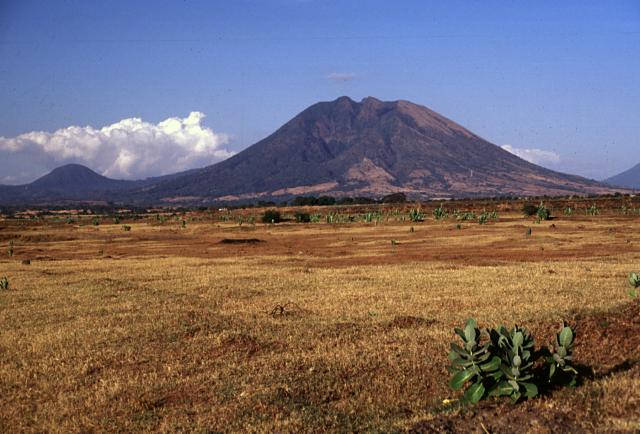

Geography and landscape
Usulután contains a variety of landscapes: mangrove-fringed bays, tidal flats, riverine valleys and agricultural highlands. Jiquilisco Bay, on the department's Pacific margin, is a large coastal estuary noted for its channels and lagoons. The bay and adjacent wetland complexes influence local climate and are central to coastal livelihoods. Several towns and small ports line the shore, the best known being Port El Triunfo.
History and administration
The territory was inhabited in pre-Columbian times by Indigenous peoples and later incorporated into the Spanish colonial economy. In the republican period the modern department was organized in 1865 as part of national administrative restructuring. Today it is one of the country's political subdivisions, with municipal authorities based in the departmental capital, Usulután.
Administratively, the department is subdivided into multiple municipalities that manage local services and development. Many of these communities trace their origins to colonial-era settlements or to 19th-century agricultural expansion.
Economy, ecology and uses
The local economy mixes agriculture, fishing, salt production and small-scale industry. Crops such as sugarcane, basic food grains and other staples are widely cultivated on the plains; cattle ranching is also important. Coastal fisheries and port functions around towns such as Port El Triunfo support livelihoods and trade. Ecologically, Jiquilisco Bay and nearby wetlands are important for mangroves, nursery habitat for fish and shrimp, and as resting or nesting sites for marine species, including sea turtles.
Usulután's combination of productive farmland and biologically rich coastal wetlands gives the department both economic significance and environmental sensitivity. Efforts to balance development and conservation affect planning, tourism and resource use.
Notable municipalities
- Usulután (departmental capital)
- Jiquilisco
- Puerto El Triunfo
- Alegría and Berlín (interior towns with agricultural hinterlands)
For administrative and geographic context within the nation, see general maps and overviews of El Salvador. The department's coastal and agricultural roles make it a region of both traditional livelihoods and growing attention for conservation and sustainable development.
Related articles
Author
AlegsaOnline.com Usulután Department, El Salvador Leandro Alegsa
URL: https://en.alegsaonline.com/art/103709