
Utrecht (province)
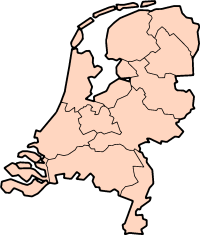
Utrecht is the smallest Dutch province by area, located near the country's centre. It contains the city of Utrecht, a major transport, education and cultural hub, and a mix of urban, agricultural and wooded landscapes.
Overview
Utrecht is a province in the central Netherlands known for its compact size and dense population. Although it is the smallest Dutch province by area, it plays an outsized role in national transport, education and culture. The provincial capital is the city of Utrecht, which is the region's largest urban centre and administrative heart. For general information about the province see the provincial resources official page and national context about the Netherlands.
Image gallery
7 Images




Geography and landscape
The province occupies a central position on the Dutch lowlands, with a landscape that includes river valleys, reclaimed polders, lakes and a notable ridge of higher ground known as the Utrechtse Heuvelrug. Waterways such as the Vecht and Kromme Rijn and recreational lake areas near the province's borders shape both settlement patterns and leisure activities. Much of the province is intensively farmed, while the forests and dunes on the ridge provide ecological variety and outdoor recreation.
History and development
Utrecht has medieval origins as an ecclesiastical and trading centre; the city of Utrecht was historically important as a bishopric and later developed into a regional hub. Over centuries the area became integrated into the Dutch Republic and modern Netherlands. Urban growth around the central city and improved road and rail links in the 19th and 20th centuries strengthened Utrecht's role as a national crossroads.
Administration and population
The province is governed from the city of Utrecht and is divided into multiple municipalities, which range from the densely urban to rural communities. Major population centres include the city of Utrecht itself and other sizeable towns such as Amersfoort, Zeist and Nieuwegein. The province's population is over one million residents, concentrated mainly in and around the central city.
Economy, transport and education
Utrecht combines a service-oriented economy with education, research and light industry. Utrecht University and other institutions contribute a large student and research community. The city of Utrecht contains one of the country’s busiest railway junctions, making the province a vital transport hub; national rail and road networks converge here. Visitors can consult travel and regional planning information through regional portals.
Culture, tourism and notable facts
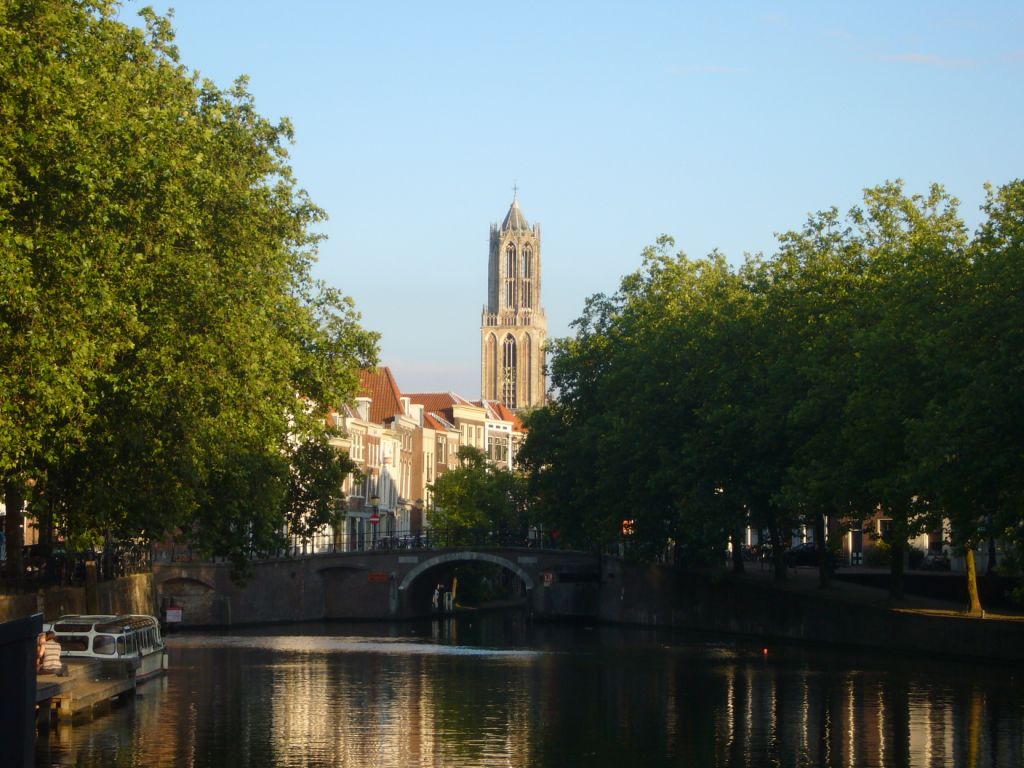
Culturally, the province is known for historic churches and towers—most famously the Dom Tower in the city of Utrecht—museums, canals and festivals. Natural attractions such as the Utrechtse Heuvelrug and waterside areas offer hiking, cycling and boating. A clear distinction exists between the province (an administrative region) and the city of Utrecht (an individual municipality): the same name refers to both the larger province and its capital. For visitor guidance and events see local tourism pages tourism information.
- Key towns: Utrecht, Amersfoort, Zeist, Nieuwegein
- Features: central location, strong transport links, mix of urban and natural areas
Related articles
Author
AlegsaOnline.com Utrecht (province) Leandro Alegsa
URL: https://en.alegsaonline.com/art/103745