
Urticaceae — the nettle family
A concise overview of Urticaceae: plant traits, taxonomy, ecology, notable genera and human uses, including stinging hairs, fiber plants, ornamentals and their place in modern classification.
The Urticaceae, commonly called the nettle family, is a group of flowering plants that includes herbs, shrubs, small trees and some vines. Members of the family occur worldwide but are most diverse in tropical and subtropical regions. Many species are familiar as weedy pioneers, shade-dwelling herbs or ornamental houseplants.
Image gallery
10 Images
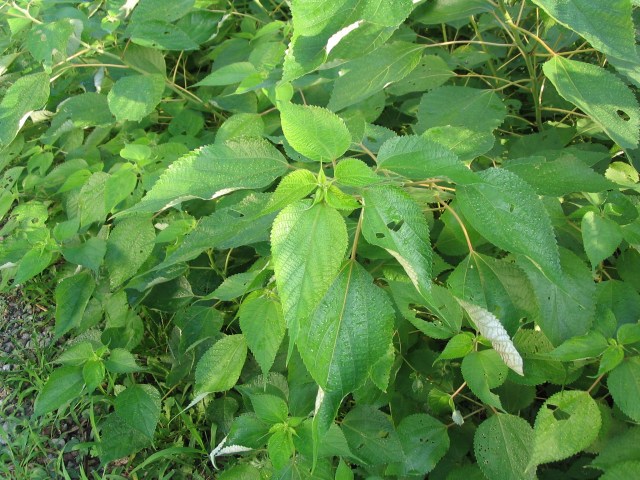
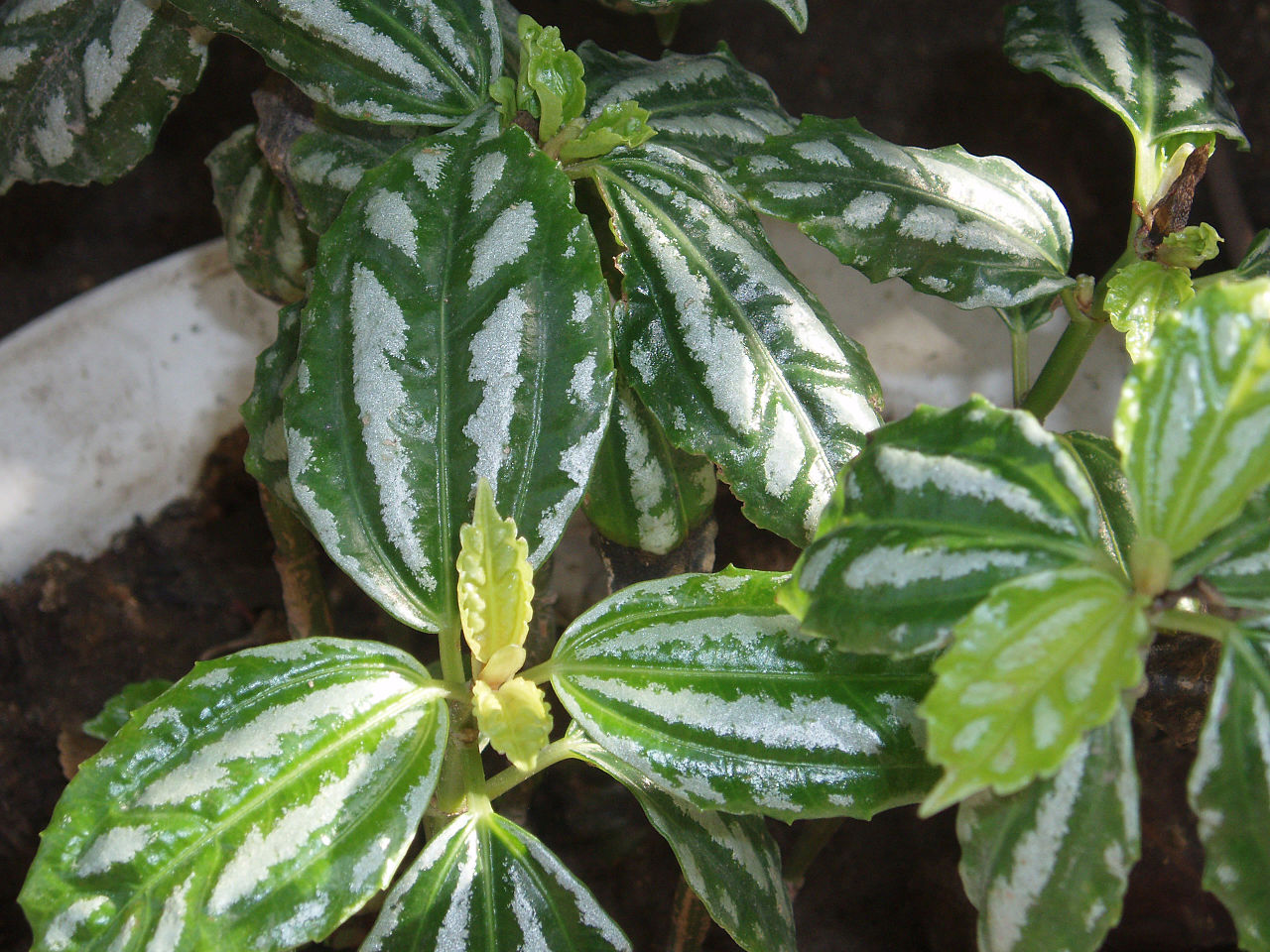
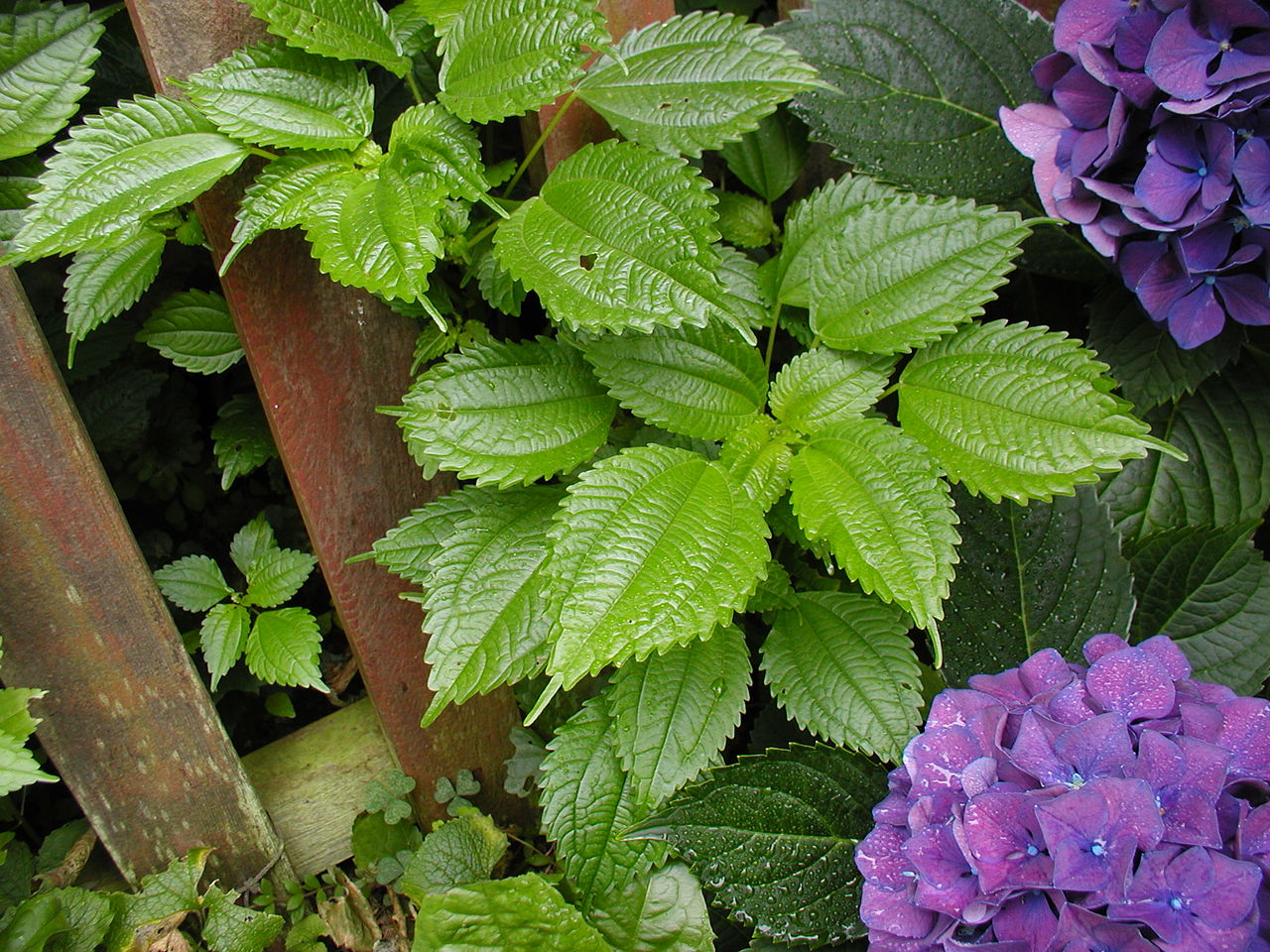


Key characteristics
Plants in the Urticaceae typically have simple leaves with toothed margins and conspicuous stipules in some genera. Flowers are usually small, lack showy petals, and are arranged in clusters or cymes. Species may be monoecious or dioecious; often the flowers are wind-pollinated, though insect pollination occurs in some groups. Fruits are small achenes or nutlets.
Stinging hairs and other defenses
A well-known trait in several Urticaceae (notably nettles) is the presence of specialized needlelike trichomes that can break and deliver chemical irritants to the skin, causing a stinging sensation. These hairs are an effective deterrent against herbivores. Other species lack stinging hairs and rely on rapid growth or chemical compounds for protection.
Taxonomy and relationships
Traditional classifications placed nettles in an order sometimes called Urticales; modern molecular studies have grouped Urticaceae with related families (for example Moraceae and Cannabaceae) within the order Rosales. The family contains dozens of genera and a large number of species, with ongoing revisions as new data refine relationships.
Ecology, distribution and notable genera
Urticaceae species are important in many ecosystems as pioneer plants, understory herbs and host plants for insect larvae. They are most species-rich in tropical forests but include temperate species as well. Well-known genera include:
- Urtica — true nettles (stinging nettle, Urtica dioica)
- Pilea — many shade-loving herbs and popular houseplants (e.g., Pilea peperomioides)
- Boehmeria — includes ramie, a fiber crop
- Parietaria, Elatostema — common weeds and forest-floor plants
Human uses and cultural importance
Members of the Urticaceae are used for food (young nettle leaves are edible after cooking), traditional medicine, fiber (ramie from Boehmeria), and ornamentals in horticulture. They also serve ecological roles by supporting butterflies and other insects that specialize on nettles.
Overall, the family is ecologically versatile and economically significant in modest but widespread ways, from garden houseplants to traditional textiles and regional folk remedies.
Related articles
Author
AlegsaOnline.com Urticaceae — the nettle family Leandro Alegsa
URL: https://en.alegsaonline.com/art/103634