
Bellingshausen Sea
A marginal sea of the Southern Ocean west of the Antarctic Peninsula, bounded by island chains and ice shelves and important for Antarctic oceanography and climate studies.
Overview
The Bellingshausen Sea is a marginal body of the Southern Ocean located off the west side of the Antarctic Peninsula. It lies between major island features including Alexander Island to the southeast and Thurston Island to the northwest. The region is largely covered by seasonal sea ice and fringed by ice shelves where the Antarctic land ice meets the ocean.
Image gallery
2 Images
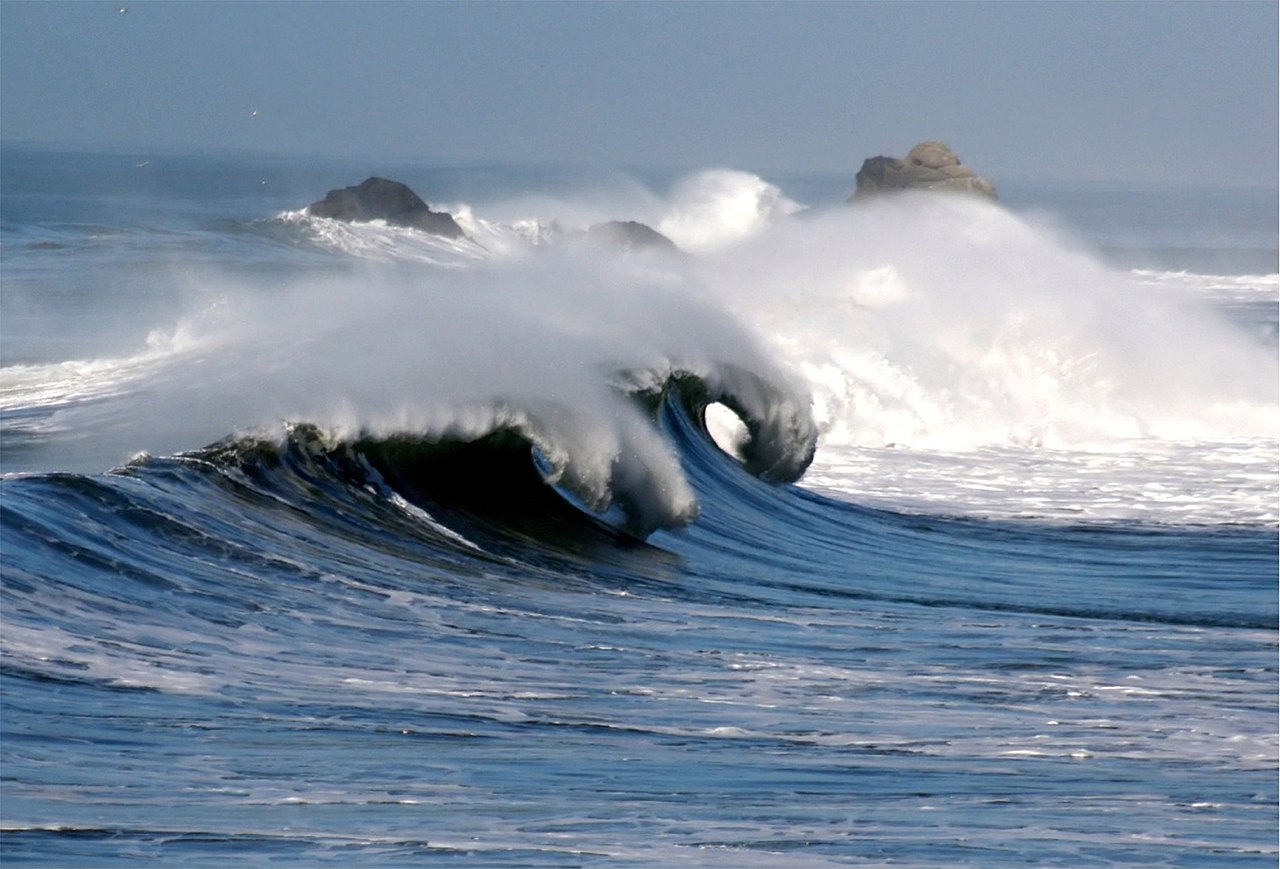
Geography and boundaries
The sea occupies a sector of the Southern Ocean characterized by a continental shelf that descends to deeper basins. Its approximate central coordinates are given as 71°00′S 85°00′W. The Bathymetry is variable, with shallow areas near the shelf and deeper troughs farther offshore. Coastal ice shelves and embayments influence local circulation, and the area is affected by currents that link it to the broader Southern Ocean.
History and name
The name honors Admiral Bellingshausen, an early 19th-century explorer whose voyages contributed to the mapping of Antarctic coasts. The designation reflects the history of exploration in the region and the long tradition of naming Southern Ocean features after polar navigators and expeditions.
Ecology and scientific importance
Although remote and sparsely visited, the Bellingshausen Sea supports marine food webs typical of Antarctic waters, including phytoplankton blooms in summer, krill, fish, seals and penguin colonies on nearby islands and peninsulas. Scientists study the area to understand sea-ice dynamics, ocean circulation, and interactions between warming waters and ice shelves—processes that have implications for global sea level and climate.
Notable features and human presence
- Sea-ice cover varies seasonally, opening leads and polynyas that are important for wildlife and ocean exchange.
- Ice shelves and coastal glaciers bordering the sea are monitored for signs of thinning and retreat.
- Human activity is largely scientific: research cruises, satellites and occasional field parties provide most observations.
Because of its remote location and challenging conditions, the Bellingshausen Sea remains a focus for ongoing oceanographic and climatic research rather than commercial development. The region illustrates the close links between Antarctic ice, ocean processes and global climate systems.
Related articles
Author
AlegsaOnline.com Bellingshausen Sea Leandro Alegsa
URL: https://en.alegsaonline.com/art/10349