
Upton Park (Boleyn Ground) — former home of West Ham United
Upton Park, commonly called the Boleyn Ground, was West Ham United's home from 1904 until 2016. This article outlines its history, features, move to the Olympic Stadium, and cultural legacy.
Overview
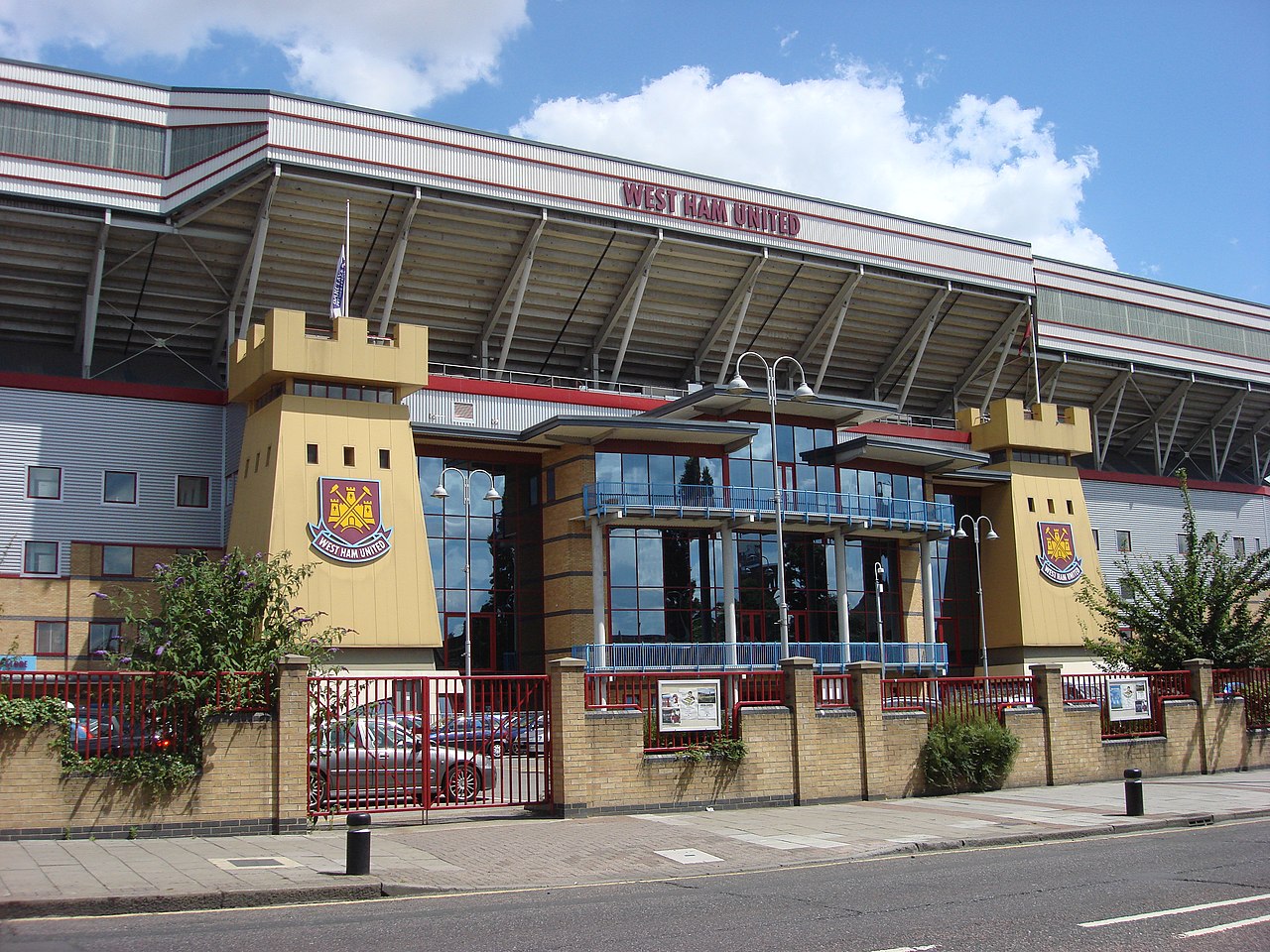
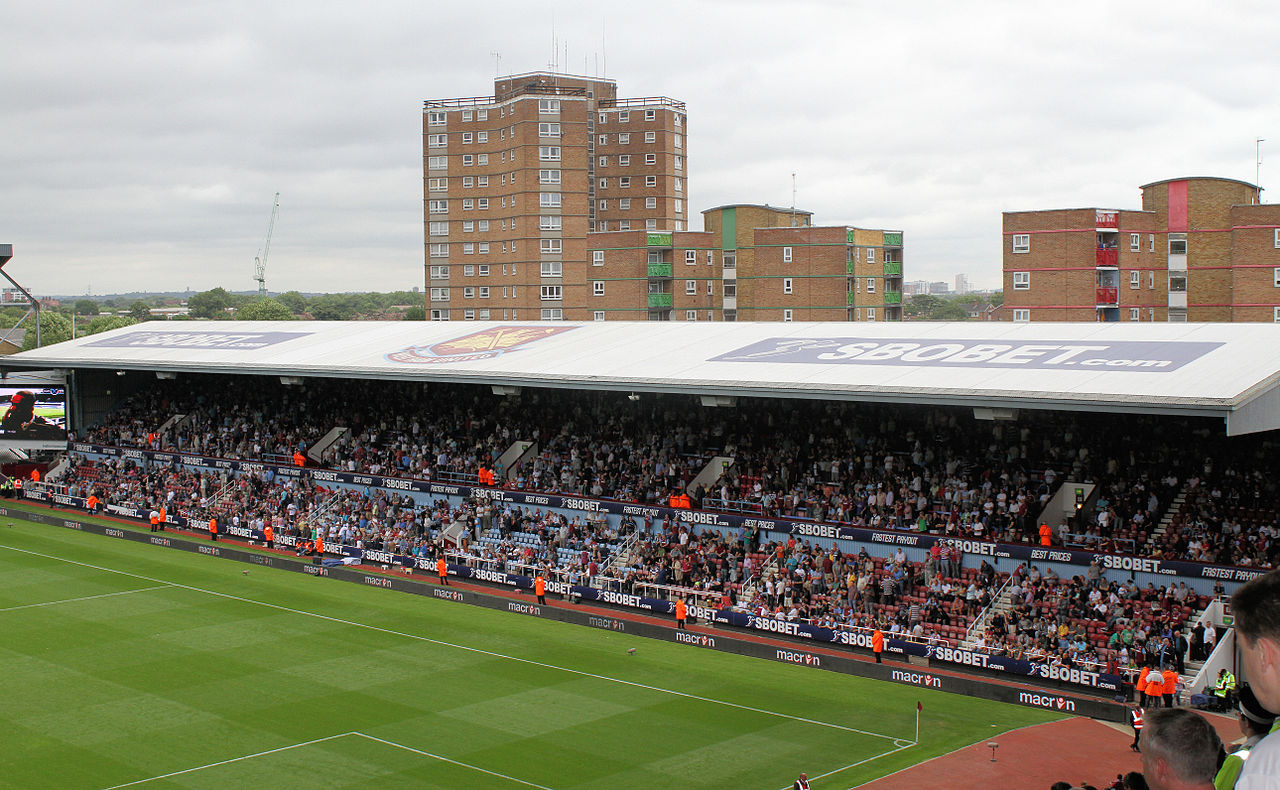
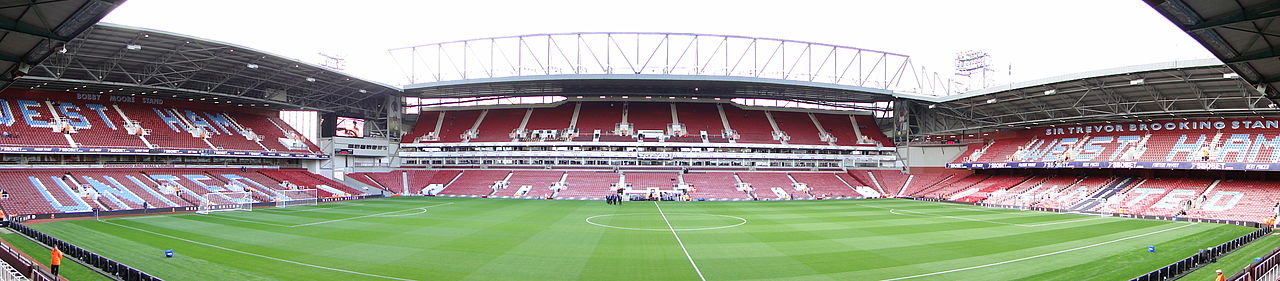
Upton Park, officially known as the Boleyn Ground, was the long‑standing home of West Ham United Football Club in the East End of London. First occupied by the club in the early 20th century, it became a focal point for the local community and for generations of supporters until the club relocated in 2016. The ground is remembered for its close sightlines, vocal crowds and a distinctive matchday atmosphere often referred to as the "Boleyn Roar."
Image gallery
10 Images



Character and layout
The stadium evolved through incremental redevelopment rather than being rebuilt all at once. It featured four stands, compact terraces in earlier years, and later all‑seater stands to meet modern safety and league requirements. Capacity varied over time but was commonly cited as being in the mid‑tens of thousands in the years before closure. Its urban setting meant public transport and narrow streets around the ground shaped the matchday experience.
History and development
West Ham began playing at the site in 1904, and the ground grew alongside the club through the 20th century. Over decades the venue hosted domestic league matches, cup ties and occasional representative fixtures. The Boleyn Ground's name derives from local landmarks and historic associations in the area. Its long tenure reflected both the club's roots in the East End and the layered history of English football grounds that developed piecemeal.
Move to the Olympic Stadium
In the 2010s West Ham agreed a move to the redeveloped Olympic Stadium (now often called the London Stadium) in Stratford. The transfer, completed in 2016, presented modern facilities and larger capacity but also sparked debate: some supporters welcomed improved amenities and commercial opportunities, while others mourned the loss of the intimate atmosphere and community ties of the Boleyn Ground. The relocation and subsequent redevelopment of the old site for housing and mixed use marked the end of an era.
Legacy and significance
The Boleyn Ground remains significant in club lore and local memory. It is often cited as an example of the traditional English neighbourhood ground: compact, accessible, and closely linked to its supporters. Former matches, moments and the sense of place are commemorated by fans, historians and former players. The site’s redevelopment prompted wider conversations about stadium moves, urban regeneration and heritage.
Notable facts
- Nickname: commonly called Upton Park or the Boleyn Ground.
- Club association: West Ham United’s principal home from 1904 until the move in 2016.
- Atmosphere: remembered for passionate local support often called the "Boleyn Roar."
- Afterlife: the site was cleared and prepared for redevelopment following the club’s departure; the new stadium home is the Olympic Stadium.
For readers seeking more detail on the stadium's architecture, match history and the move to the London Stadium, contemporary club histories and local archives provide in‑depth coverage.
Related articles
Author
AlegsaOnline.com Upton Park (Boleyn Ground) — former home of West Ham United Leandro Alegsa
URL: https://en.alegsaonline.com/art/103522