
University of Fort Hare
Public university in Alice, Eastern Cape, South Africa, founded in 1916; known for educating many Black African leaders and intellectuals and for its role in 20th-century African politics and education.
Overview
The University of Fort Hare is a public higher education institution located in the town of Alice in the Eastern Cape province of South Africa. Established in 1916 as a centre for higher learning, it became widely respected for offering a Western-style academic education to students from across sub‑Saharan Africa. For much of the 20th century it served as a major training ground for a generation of political leaders, intellectuals and professionals.
Image gallery
7 Images





History and development
Fort Hare began as a missionary-founded institution that gradually expanded into degree-level teaching. Between the early decades of the 20th century and the imposition of stricter apartheid-era controls in the mid-20th century, it attracted students from many African territories. Government policies and laws in the 1950s and afterwards changed the landscape of higher education for non-white South Africans, restricting mobility and academic freedom at institutions across the country. In later years the university has worked to rebuild and broaden its programmes in the post-apartheid era.
Academic profile and campus
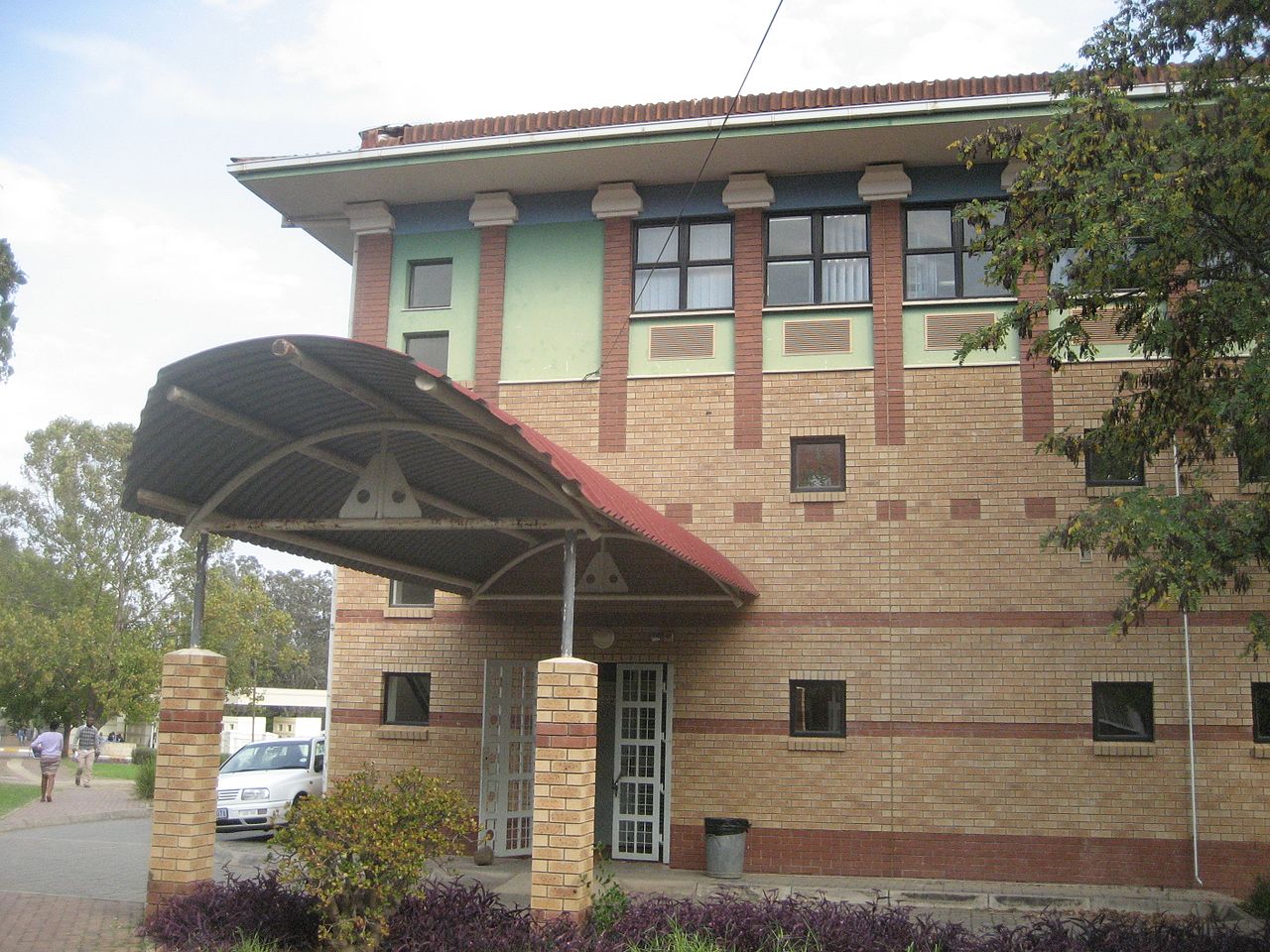
The university offers a range of undergraduate and postgraduate programmes across arts and humanities, social sciences, natural and agricultural sciences, education, law and commerce. Its rural campus in Alice combines historic buildings and newer facilities; the institution has long emphasised research and teaching that speak to regional development and the social challenges of southern Africa.
Influence and notable alumni
Fort Hare's reputation rests largely on its role in forming a pan-African intellectual and political elite. It drew students from many African countries and promoted networks that later shaped independence movements and national politics. Notable figures associated with the university include Nelson Mandela and Oliver Tambo; several other graduates went on to become politicians, educators and activists across the continent.
Distinctive features and legacy
- Regional reach: historically attracted students from beyond South Africa's borders, contributing to a continental network of leaders and thinkers.
- Historical importance: central to debates about access to higher education for black Africans during the colonial and apartheid eras.
- Cultural significance: a symbol of academic aspiration and political formation for many communities.
For current information about programmes, admissions and campus life, consult the university's official resources: University of Fort Hare. For context about its provincial setting, see general material on the Eastern Cape: Eastern Cape, South Africa.
The University of Fort Hare remains an important institution in South African higher education, remembered both for its formative role in the lives of prominent African leaders and for its continuing contribution to scholarship and regional development.
Related articles
Author
AlegsaOnline.com University of Fort Hare Leandro Alegsa
URL: https://en.alegsaonline.com/art/103249
Sources
- timeslive.co.za : "University of Fort Hare appoints Prof Sakhela Buhlungu as new vice chancellor"