
California State University (CSU) system
The California State University is a public, 23‑campus system serving hundreds of thousands with undergraduate and graduate programs. It emphasizes workforce preparation, teacher education, and regional access.
Overview
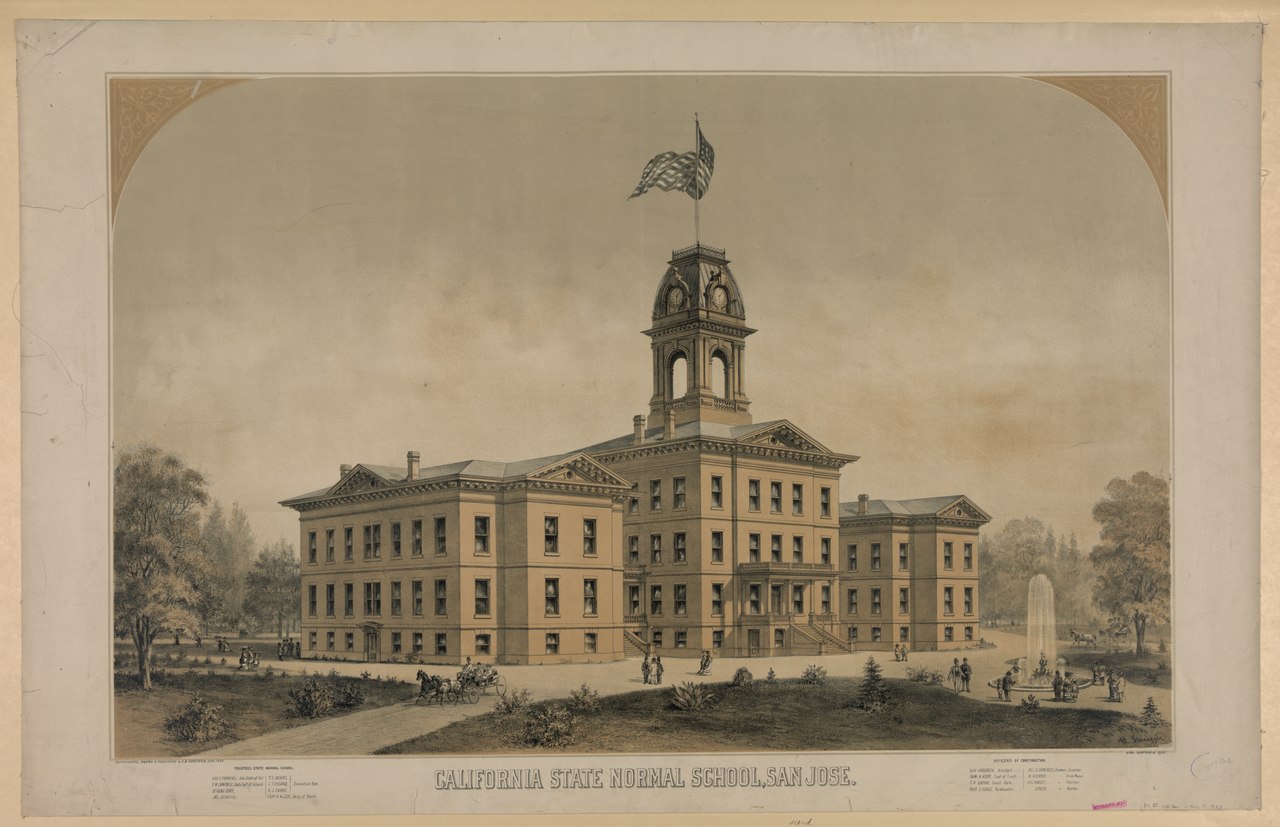
The California State University is a public system of higher education serving the state of California. It traces its origins to training institutions founded in 1857 and today comprises 23 campuses offering undergraduate, graduate and credential programs. The system maintains a central administration and public information resources on its official site.
Image gallery
10 Images





Size, structure and mission
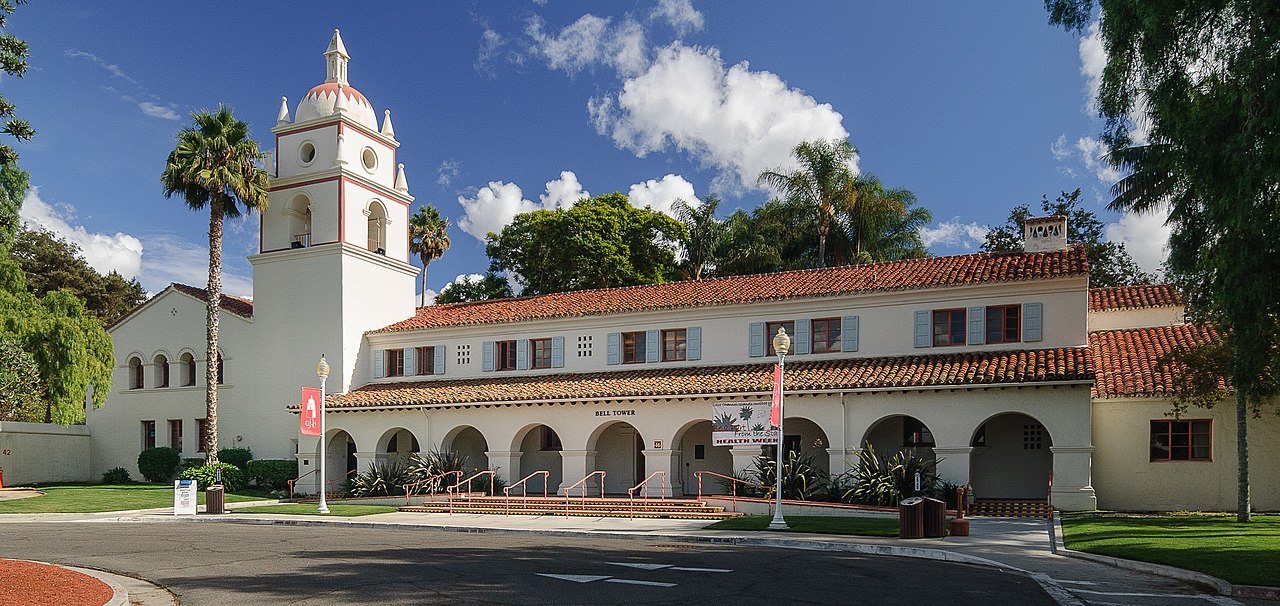
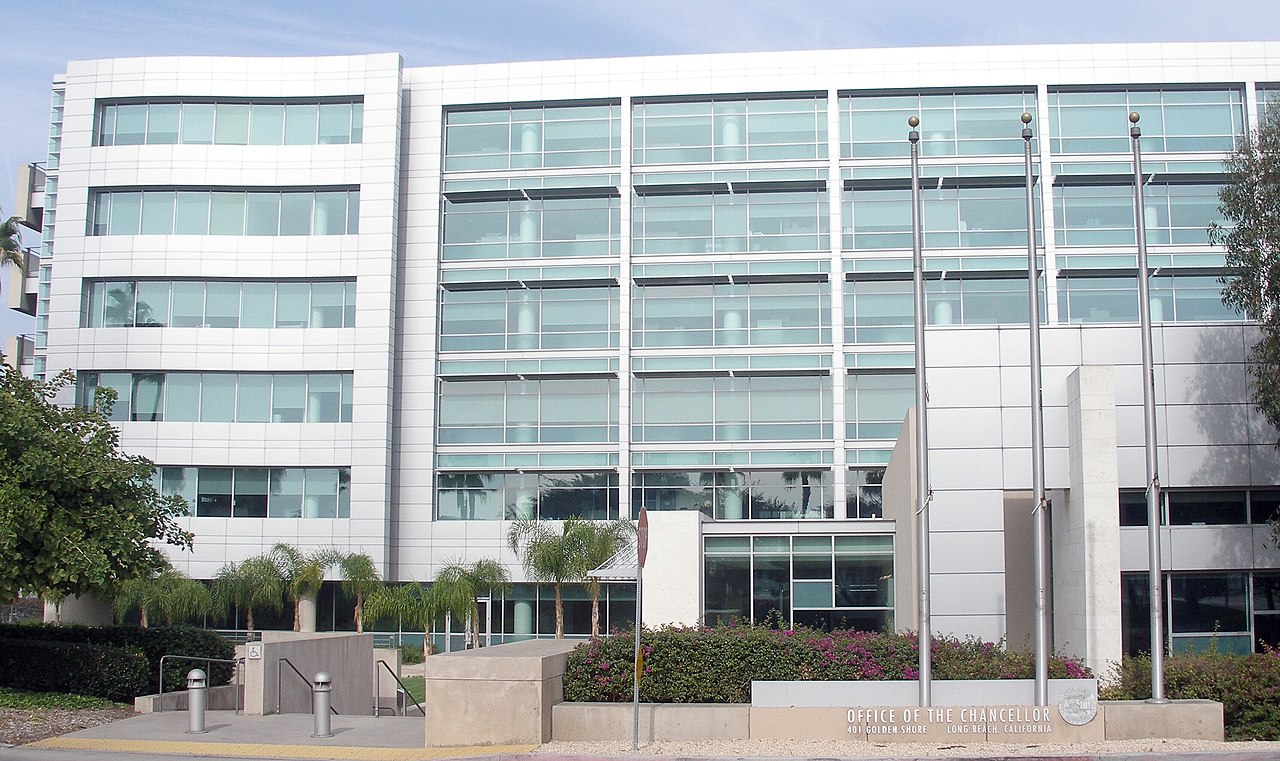
CSU is one of three public higher education systems in the state, alongside the University of California and the California Community Colleges. Its campuses enroll more than four hundred thousand students and employ tens of thousands of faculty and staff. The CSU headquarters are located in Long Beach, and the system is widely regarded as the largest senior public university system in the United States by enrollment.
History and development
Although individual institutions now in the CSU began as separate teachers' colleges and regional state colleges in the 19th and early 20th centuries, they were organized into a cohesive statewide system in the mid‑20th century to coordinate degree programs, admissions and campus planning. Since the early 1960s the system has produced millions of alumni and expanded to include a broad range of professional and liberal arts programs.
Academic programs and impact
CSU emphasizes applied and career‑oriented education. It awards a large share of the state’s professional degrees: roughly 60 percent of the state’s new K–12 teachers come from CSU programs (teacher preparation), and the system supplies a significant portion of California’s engineering graduates (engineering). CSU also awards many degrees in business (business), health fields (health), education (education) and public administration (public administration).
Programs, degrees and alumni
Across its campuses the CSU offers more than 1,800 degree programs in hundreds of subject areas, from certificates and bachelor’s degrees to master’s and selected doctoral programs. Each year CSU institutions award a substantial share of California’s degrees — about half of the state’s bachelor’s degrees (bachelor's) and a significant portion of master’s credentials — supporting local economies, public services and workforce needs.
Distinctive features and role
Key features that distinguish the CSU include strong ties to regional employers, emphasis on affordability and access, and an applied curriculum that often includes internships, teacher practicums and industry partnerships. Campuses range from urban to suburban and rural settings, helping the system serve diverse communities across the state.
- 23 campuses with broad geographic distribution.
- Large undergraduate enrollment and diverse program portfolio.
- Major producer of teachers, engineers and business professionals.
- Focus on workforce readiness, community engagement and affordability.
Questions and answers
Q: What is the California State University?
A: The California State University (CSU) is a public university system established in 1857 in California. It is one of three public higher education systems in the state, the other two being the University of California system and the California Community College system.
Q: Where are the headquarters for CSU located?
A: The headquarters for CSU are located in Long Beach, California.
Q: How many campuses does CSU have?
A: CSU has 23 campuses.
Q: How many students and faculty/staff members does CSU support?
A: CSU supports over 417,000 students and 47,000 faculty and staff members.
Q: What percentage of teachers in California are prepared by CSU?
A: About 60 percent of teachers in California are prepared by CSU.
Q: What other degrees does CSU offer besides engineering graduates?
A: In addition to engineering graduates, CSU also offers degrees in business, agriculture, communication studies, health, education and public administration.
Q: How many alumni have received a degree from the CSU since 1961?
A: Since 1961 nearly 2.5 million alumni have received a bachelor's master's or doctoral degree from the CSU system which offers more than 1,800 degree programs in 240 subject areas.
Related articles
Author
AlegsaOnline.com California State University (CSU) system Leandro Alegsa
URL: https://en.alegsaonline.com/art/16147
Sources
- calstate.edu : Home Page · webcitation.org
- calstate.ca.gov : "CSU Facts 2006"