
United Nations Secretary-General
The Secretary-General is the United Nations' chief administrative officer and a global diplomat who helps mediate disputes, coordinate UN work, and represent the organization internationally.
The United Nations Secretary-General is the organization’s chief administrative officer and one of its most visible officials. Appointed to lead the UN Secretariat, the holder acts as a spokesperson and coordinator for the global body, representing the United Nations in diplomatic settings and public forums. For general information about the organization, see the United Nations website. The current Secretary-General is António Guterres.
Image gallery
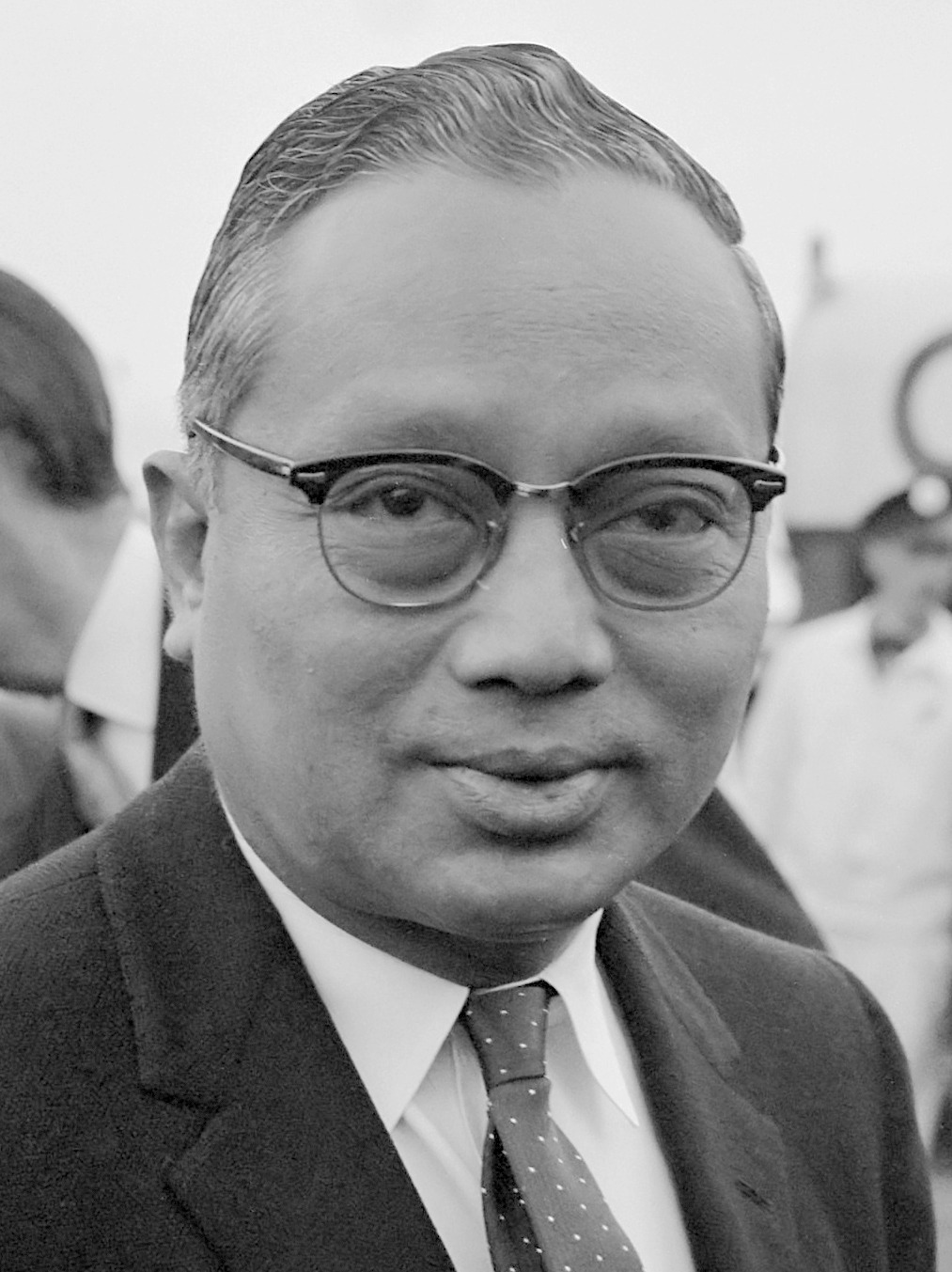
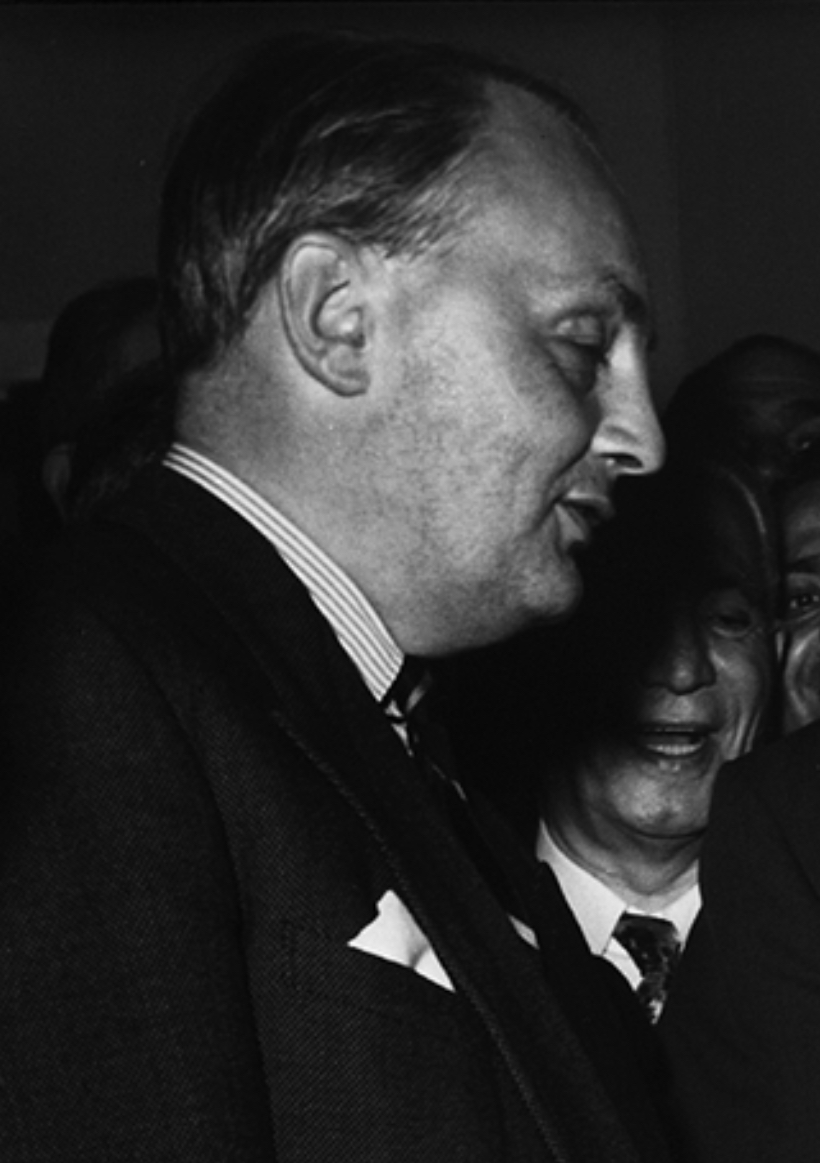
10 Images



Role and responsibilities
The Secretary-General performs a mix of administrative, diplomatic and symbolic functions. Key responsibilities include:
- Administrative leadership: directing the UN Secretariat, setting management priorities and overseeing staff who implement UN programmes and policies.
- Diplomatic engagement: mediating or facilitating negotiations, calling attention to crises and using moral authority to encourage peaceful solutions.
- Agenda-setting and advocacy: drawing attention to issues such as development, human rights, climate change and humanitarian emergencies.
- Reporting: preparing annual and special reports for the UN General Assembly and Security Council on matters within the Secretary-General’s remit.
Selection and term
The Secretary-General is appointed by the General Assembly upon the recommendation of the Security Council. This process gives significant influence to Security Council members. The post is normally held for a five-year term, which has commonly been renewed, subject to political agreement among member states.
History and notable officeholders
The office was established by the UN Charter after World War II. Over the decades, Secretaries-General have varied in style and priorities: some emphasized quiet diplomacy and mediation, others focused on public advocacy or institutional reform. Several occupants became widely known international figures who shaped the UN’s role in peace operations, decolonization, and humanitarian work.
Importance, limits and distinctions
The Secretary-General’s influence combines institutional authority, public stature and personal skill. However, the position is constrained by member states’ political will—especially the Security Council—and by the Secretary-General’s need to remain seen as impartial to be an effective mediator. While not a global executive, the Secretary-General can be decisive in convening attention, coordinating international responses and promoting cooperation among nations.
Examples of activity
Practical work ranges from leading peacekeeping and special envoys, to mobilizing humanitarian relief, to championing global initiatives on sustainable development and climate action. The office routinely issues reports, provides early warning on conflicts, and represents the UN at summits and high-level meetings.
Related articles
Author
AlegsaOnline.com United Nations Secretary-General Leandro Alegsa
URL: https://en.alegsaonline.com/art/102983
Sources
- un.org : "Trygve Lie"
- un.org : "Dag Hammarskjold"
- un.org : "U Thant"
- un.org : "Kurt Waldheim"
- un.org : "Javier Pérez de Cuéllar"
- un.org : "Boutros Boutros-Ghali"
- un.org : "Kofi Annan"
- un.org : "Ban Ki-moon"
- telegraph.co.uk : "Who is Antonio Guterres, the next Secretary-General of the United Nations?"