
List of Ambassadors of the United States to the United Nations
Overview of the U.S. permanent representatives to the United Nations: role, history, selection, notable holders, and the distinction of the office within U.S. foreign policy.
Overview
The United States Ambassador to the United Nations, formally the Permanent Representative of the United States to the United Nations, leads the U.S. Mission to the United Nations and represents U.S. interests at UN meetings and negotiations. The post combines diplomatic, policy and public responsibilities: it negotiates resolutions, defends national positions before the Security Council and General Assembly, and coordinates with other U.S. government agencies on multilateral issues. The U.S. Mission to the United Nations is often referred to in policy discussions and reporting as the central U.S. presence at the UN: U.S. Mission to the United Nations.
Image gallery
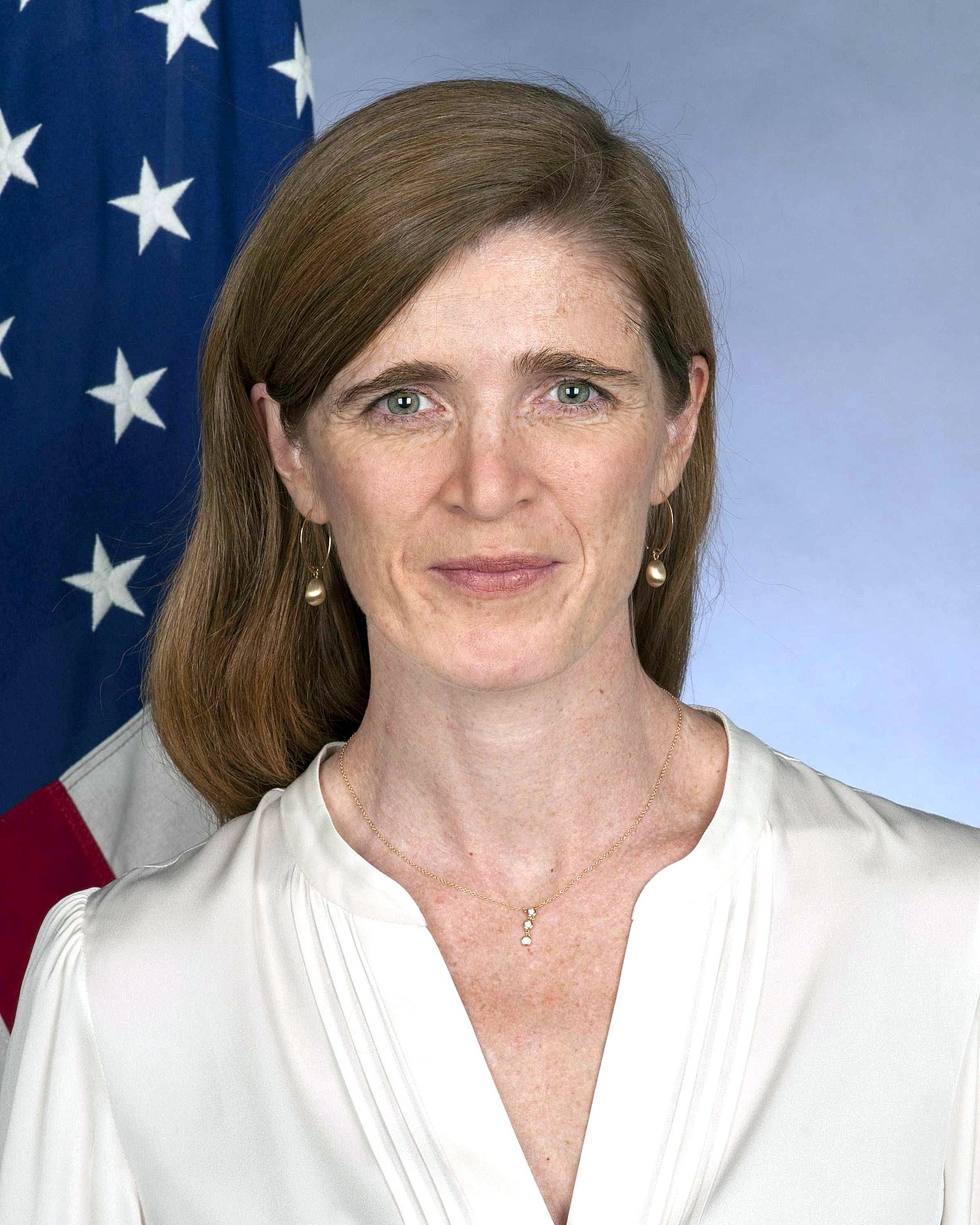
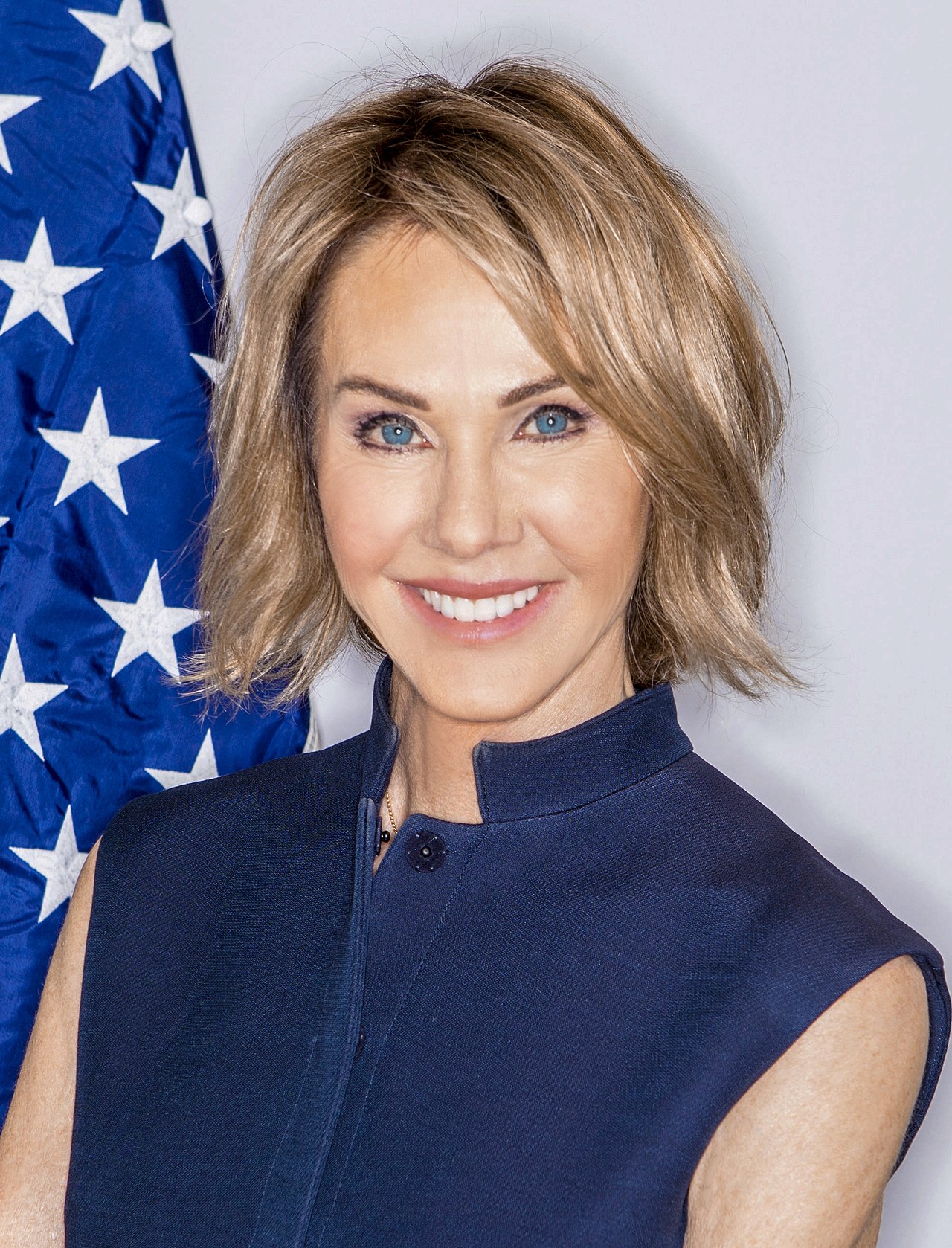
10 Images




Role and responsibilities
The ambassador speaks for the United States within the UN system, casts votes in the Security Council and General Assembly, and engages in daily diplomacy with representatives from other countries. Duties include briefing Washington on developments at the UN, proposing and negotiating language in resolutions, participating in committee work, and addressing the media. Depending on the administration, the post may carry Cabinet rank or close access to the president and national security officials.
History and notable holders
The office has been held by career diplomats, political appointees, and former elected officials. Some holders became highly visible public figures or later served in other senior positions. Notable ambassadors have included Adlai Stevenson, a prominent mid-20th century envoy known for his debates at the Security Council; former President George H.W. Bush who served before his vice-presidency; Jeane Kirkpatrick and Madeleine Albright, both influential in shaping U.S. multilateral policy; and more recent envoys such as Susan Rice, Nikki Haley, and John R. Bolton, each leaving distinct policy marks.
Selection, confirmation and rank
Ambassadors to the UN are nominated by the President of the United States and require confirmation by the U.S. Senate. The nominee is typically a seasoned diplomat or a political appointee with foreign policy experience. Whether the ambassador holds Cabinet-level status depends on the president’s designation; some administrations have elevated the post to cabinet rank, increasing its domestic policy visibility.
Importance and distinctions
The U.S. ambassador to the UN plays a central role in multilateral diplomacy, crisis response, peacekeeping decisions, and international norm-setting. The position differs from U.S. ambassadors to individual countries because it focuses on collective decision-making in a forum of nearly universal membership. The office often balances domestic political priorities with complex international coalitions, making it a strategically significant and sometimes contentious appointment. The incumbent as of early 2021 is Linda Thomas-Greenfield, who has led diplomatic engagement on key global issues since her swearing-in.
- Representative office: U.S. Mission to the United Nations
- Historic figures: Adlai Stevenson, Jeane Kirkpatrick, Madeleine Albright
- Recent notable envoys: Susan Rice, John R. Bolton, Nikki Haley
Questions and answers
Q: Who is the current United States Ambassador to the United Nations?
A: The current United States Ambassador to the United Nations is Linda Thomas-Greenfield.
Q: What is the role of the United States Ambassador to the United Nations?
A: The United States Ambassador to the United Nations leads the delegation of the United States, the U.S. Mission to the United Nations.
Q: Who are some of the ambassadors that have held political positions?
A: Ambassadors that have held political positions include Adlai Stevenson, George H.W. Bush, Jeane Kirkpatrick, Madeleine Albright, John R. Bolton, Susan Rice, and Nikki Haley.
Q: When did Linda Thomas-Greenfield become the incumbent United States Ambassador to the United Nations?
A: Linda Thomas-Greenfield became the incumbent United States Ambassador to the United Nations on February 25, 2021.
Q: What is the U.S. Mission to the United Nations?
A: The U.S. Mission to the United Nations is the delegation of the United States that is led by the United States Ambassador to the United Nations.
Q: Who was the first United States Ambassador to the United Nations?
A: The first United States Ambassador to the United Nations was Edward Stettinius Jr. in 1946.
Q: What is the United Nations?
A: The United Nations is an intergovernmental organization that aims to promote international cooperation and solve global problems such as poverty, disease, and climate change.
Related articles
Author
AlegsaOnline.com List of Ambassadors of the United States to the United Nations Leandro Alegsa
URL: https://en.alegsaonline.com/art/102995