
Union Square, Manhattan — public plaza and neighborhood in New York City
Union Square is a historic public plaza and surrounding neighborhood in Manhattan, New York City, formed where Broadway met the old Bowery Road (now Fourth Avenue). It is known for markets, transit, and civic events.
Overview
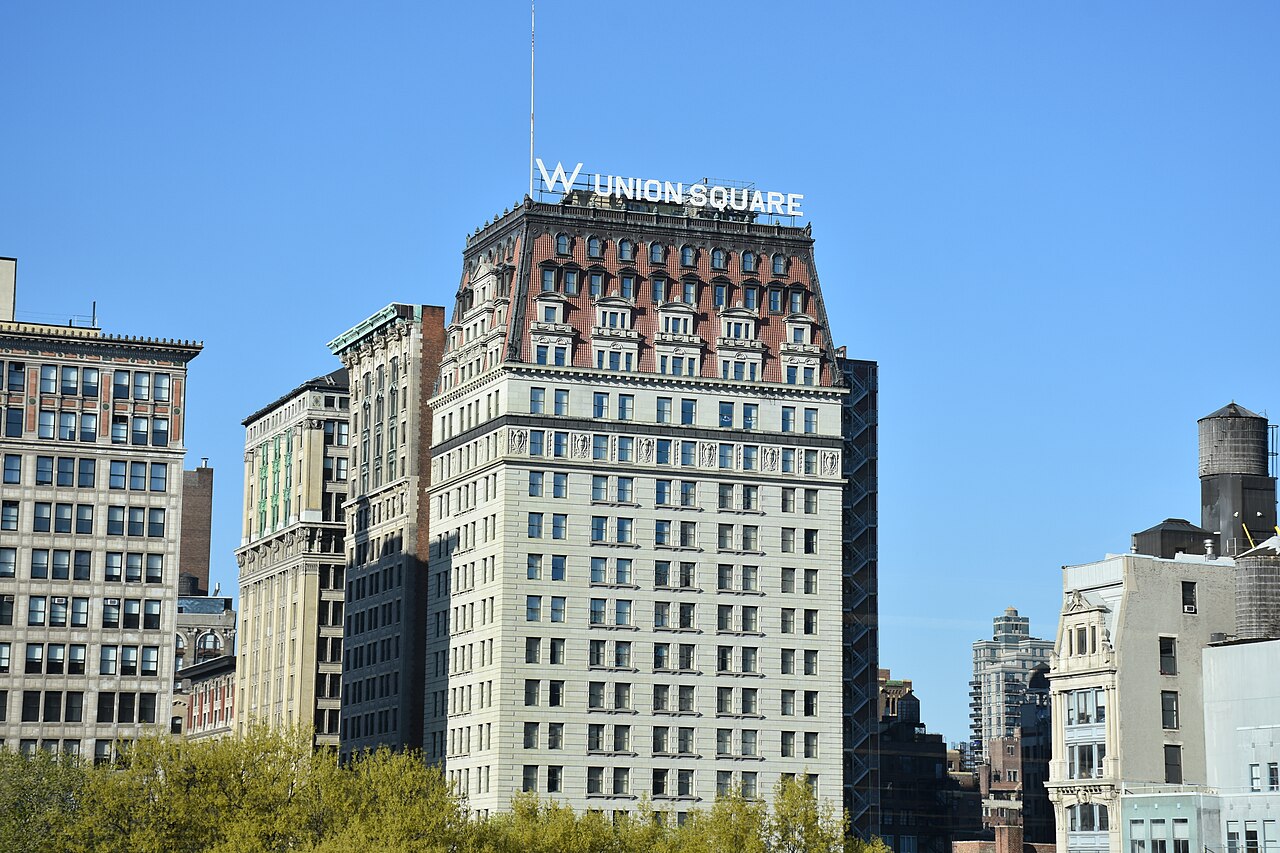
Union Square is a public plaza and the name of the neighborhood that surrounds it in Manhattan. Positioned at a historical junction of major thoroughfares, the place functions today as a mixed-use urban hub with a small park, commercial streets, and public transit connections within New York City.
Image gallery
10 Images


Location and layout
The square occupies the point where Broadway and what was once the Bowery Road converged; that older route is now known as Fourth Avenue, reflecting changes in the city's street plan over time. The site combines formal green spaces, pedestrian plazas, and adjacent blocks of retail and residential buildings.
Characteristics and features
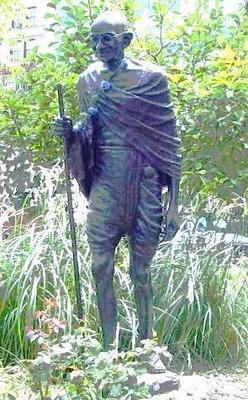
Union Square is notable for a concentration of civic and cultural elements: a landscaped park area, paved plazas used for gatherings, several public artworks and statues, and regular markets. The space acts as a transit node and a pedestrian meeting point for locals and visitors alike.
- Markets: Farmers' markets and street vendors have long been associated with the square.
- Transit: The location serves multiple subway lines and surface routes, making it a key transfer point.
- Public life: Demonstrations, performances, and seasonal events frequently take place here.
History and development
The site dates to the early 19th century when Broadway intersected the former Bowery Road. Over subsequent decades the area evolved from a crossroads into a designed public square, shaped by urban planning, transportation changes, and commercial growth. Its mix of civic, commercial, and residential uses reflects broader trends in Manhattan's development.
Importance and distinctions
Union Square is often cited as an example of a multifunctional urban plaza: part park, part marketplace, and part civic forum. Its combination of history, accessibility, and active public programming distinguishes it among New York City's public spaces and contributes to its continuing role in the city's cultural and commercial life.
Related articles
Author
AlegsaOnline.com Union Square, Manhattan — public plaza and neighborhood in New York City Leandro Alegsa
URL: https://en.alegsaonline.com/art/102915
Sources
- nycgovparks.org : "Parks for the New Metropolis (1811–1870)"
- nrhp.focus.nps.gov : "National Register Information System"
- tps.cr.nps.gov : "Union Square" · web.archive.org
- forgotten-ny.com : Four Shortened – Manhattan's Shortest Numbered Avenue