
Uluṟu–Kata Tjuṯa Aboriginal Land Trust
Land trust that holds the freehold title to Uluṟu–Kata Tjuṯa National Park on behalf of its recognised traditional owners; created in 1985 and leased back for joint management.
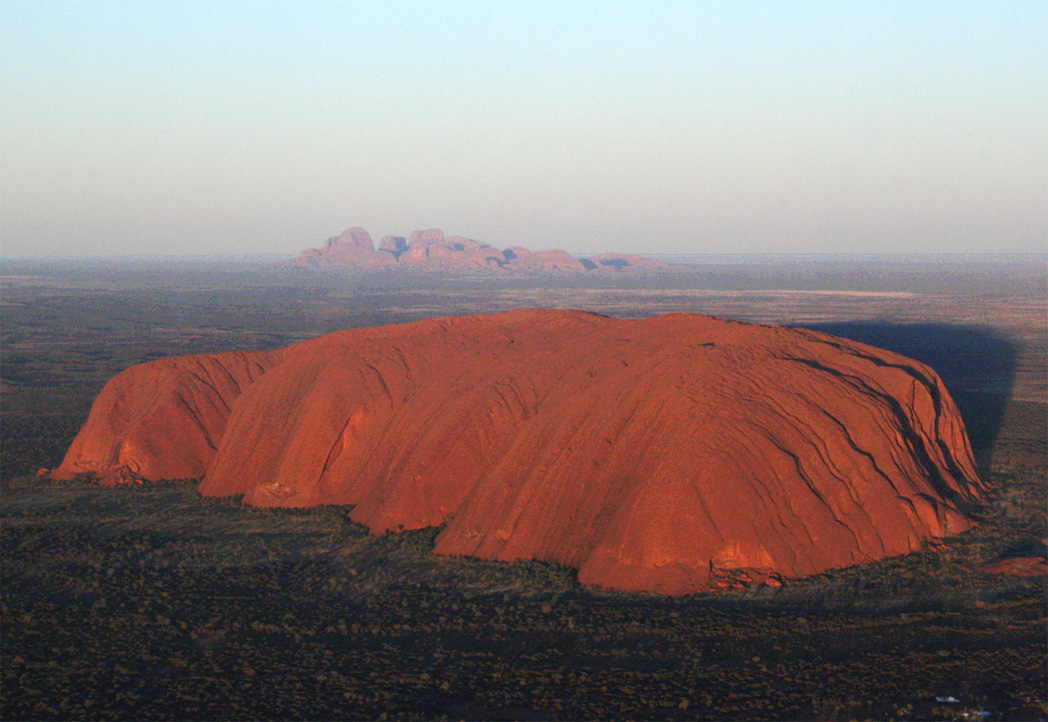
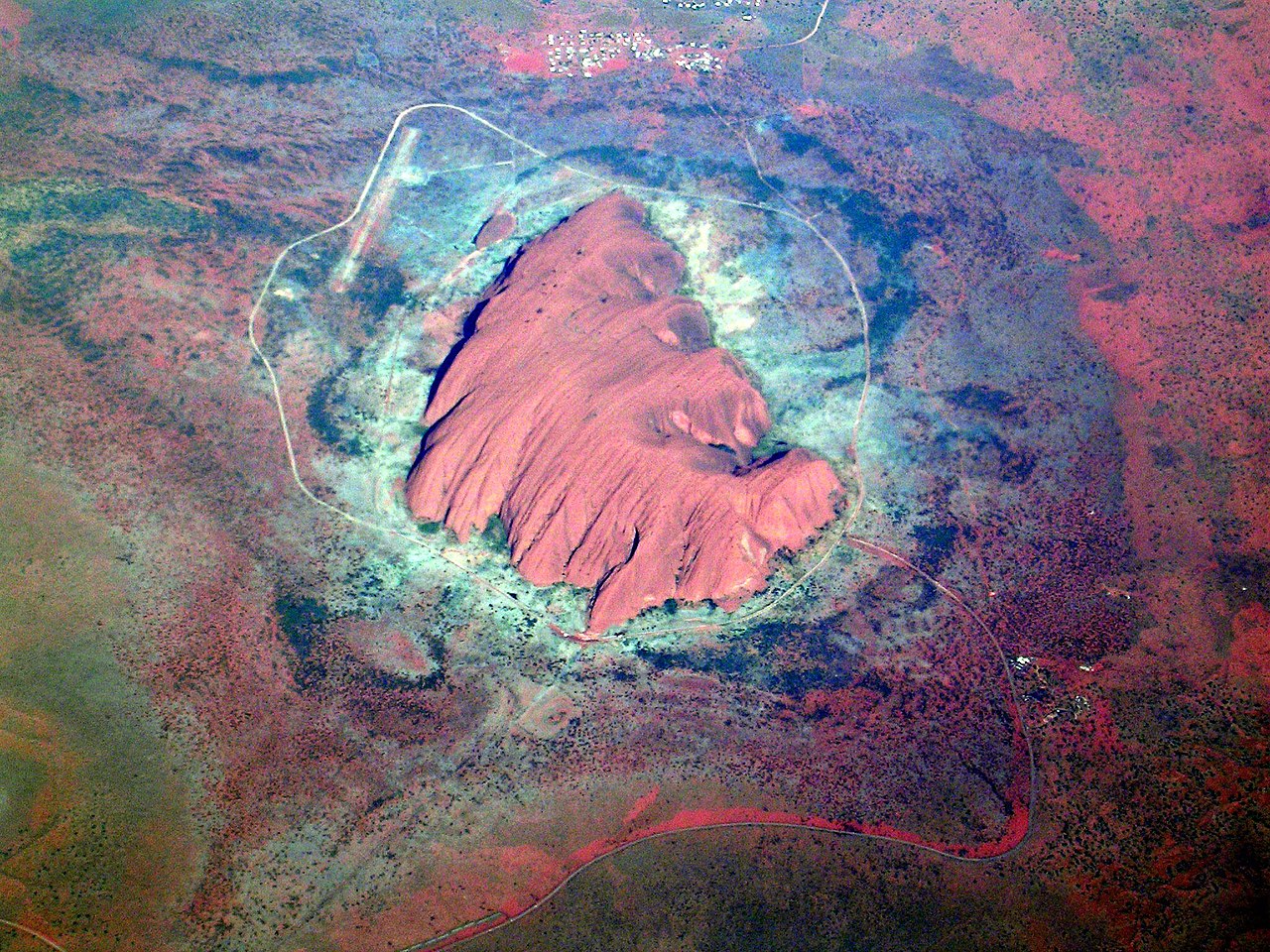
The Uluṟu–Kata Tjuṯa Aboriginal Land Trust (the Trust) is the legal freehold owner of the land that makes up Uluṟu–Kata Tjuṯa National Park (Northern Territory Portion 1728). The Trust holds title on behalf of the people formally recognised as the traditional owners of that country. The land title was transferred into the Trust on 26 October 1985; the title is inalienable and intended to remain with the community and its descendants as described in the original settlement arrangements.
Image gallery
10 Images




Origins and legal history
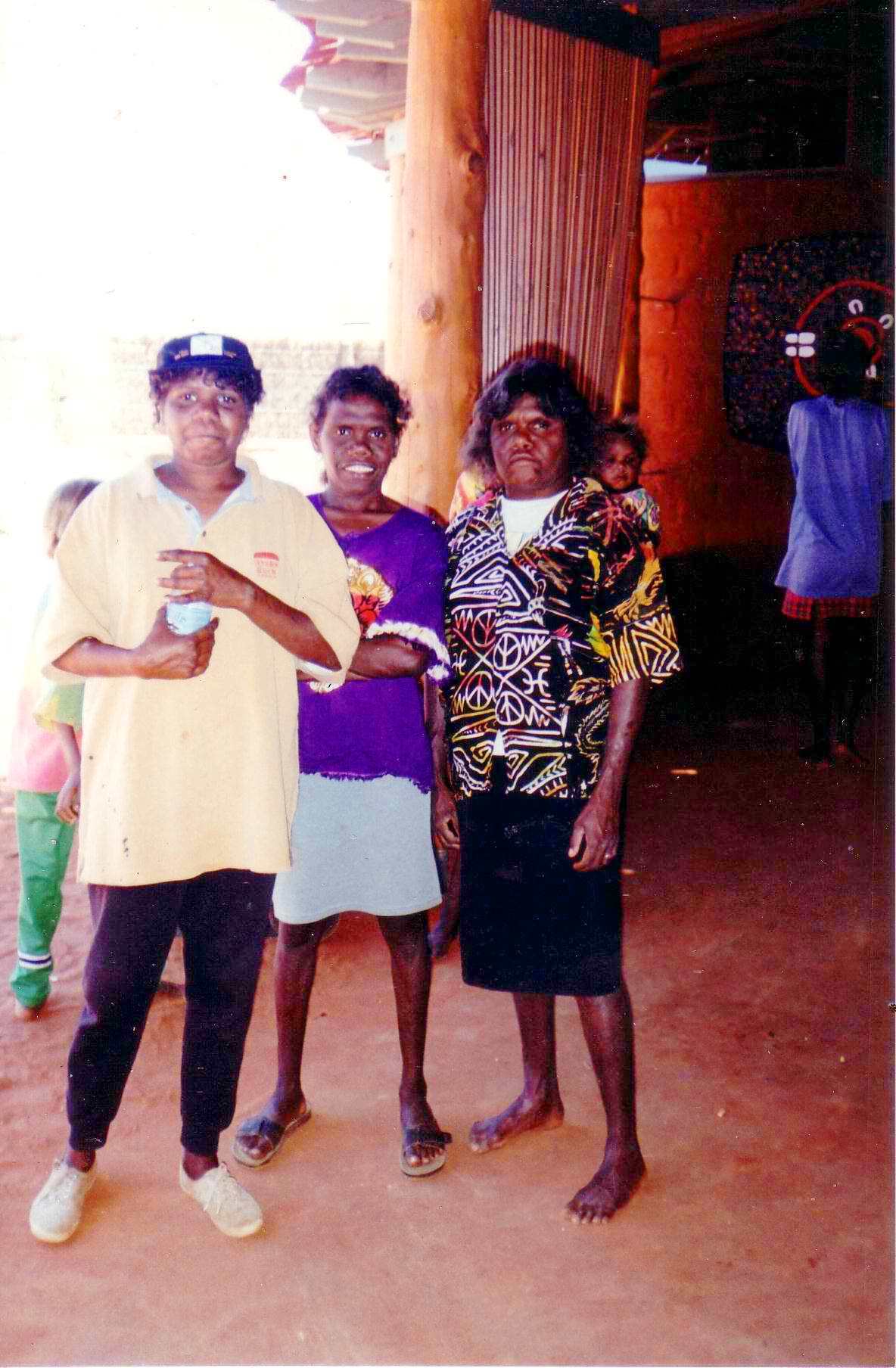
The modern legal recognition of ownership grew from a land claim lodged in 1979 known as the Katiti Land Claim (Katiti claim). The Central Land Council submitted the claim on behalf of several hundred Aboriginal people, many of whom were resident at Muṯitjulu. In 1980 Commissioner Justice John Toohey formally identified those individuals who were recognised as traditional owners: the judgement recorded a group associated with Uluṟu and a separate grouping for Kata Tjuṯa. Because the area was already operating as a national park, full transfer of title required additional legal and political steps.
A protracted legal and political process followed, including litigation and negotiations over title and management. In 1983 Prime Minister Bob Hawke acknowledged the traditional owners' rights, and subsequent amendments were passed in 1985 to address how land rights and national park status could coexist. Those measures enabled the transfer of freehold title to the Trust on 26 October 1985 and included arrangements to lease the land back immediately to the Director of National Parks for 99 years, securing continued public access and conservation management while recognising Indigenous ownership.
Purpose, rights and governance
As a land trust the organisation holds title in trust for the traditional owners and their descendants. The grant of freehold title is inalienable and cannot be sold or otherwise disposed of; it is passed down through family and community links over generations. The leaseback created a foundation for joint management: park operations, conservation work and visitor services are carried out in partnership with government agencies and traditional owner representatives so that cultural protocols and natural values are both respected.
Significance and contemporary role
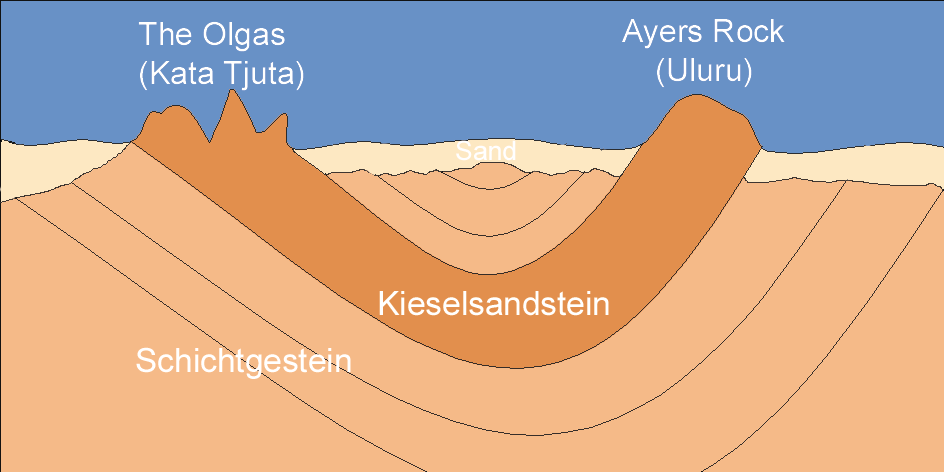
Uluṟu and Kata Tjuṯa are nationally and internationally significant as both remarkable natural formations and areas of deep cultural meaning. The Trust’s ownership is a landmark example in Australian land rights history, reflecting the recognition of Aboriginal custodianship of country while balancing conservation and tourism. The Trust continues to represent the interests of the recognised community, ensuring that decisions about land use, access and cultural site protection involve traditional owners and that benefits flow back to them and their families into the future.
Key points
- The Trust holds freehold title to Uluṟu–Kata Tjuṯa National Park and was created on 26 October 1985.
- Its establishment followed the Katiti Land Claim and legal recognition of traditional owners in 1980.
- The Commonwealth and Territory arrangements included a 99‑year leaseback to support park administration and public access.
- Title is inalienable and intended to remain with the community and its descendants.
- Joint management between traditional owners and park agencies seeks to protect cultural values, biodiversity and visitor experience.
Together, these arrangements make the Uluṟu–Kata Tjuṯa Aboriginal Land Trust a pivotal institution in the stewardship of a site that is both a protected natural landscape and a living cultural estate for its recognised traditional owners.
Related articles
Author
AlegsaOnline.com Uluṟu–Kata Tjuṯa Aboriginal Land Trust Leandro Alegsa
URL: https://en.alegsaonline.com/art/102710
Sources
- learnline.cdu.edu.au : "Return of the land to traditional owners"
- environment.gov.au : "Uluṟu-Kata Tjuṯa National Park Notes: Non-Aboriginal history"
- books.google.com : Conservation and mobile indigenous peoples: displacement, forced settlement, and sustainable development
- books.google.com : The Oxford companion to aboriginal art and culture
- environment.gov.au : "Park history: Development of Aboriginal ownership and joint management"