
UEFA Euro 1992 — Sweden tournament and Denmark's unexpected triumph
The ninth UEFA European Championship, held in Sweden from 10–26 June 1992, featured eight teams and culminated in Denmark's surprising victory over Germany after they were invited as late replacements.
The 1992 UEFA European Football Championship was the ninth edition of UEFA's continental tournament and took place in Sweden from 10 June to 26 June 1992. The finals brought together eight national sides in a compact competition featuring a group stage followed by knockout semifinals and a final. The event drew attention not only for the matches themselves but for the wider political and sporting circumstances that shaped the line-up of participants.
Image gallery
6 Images
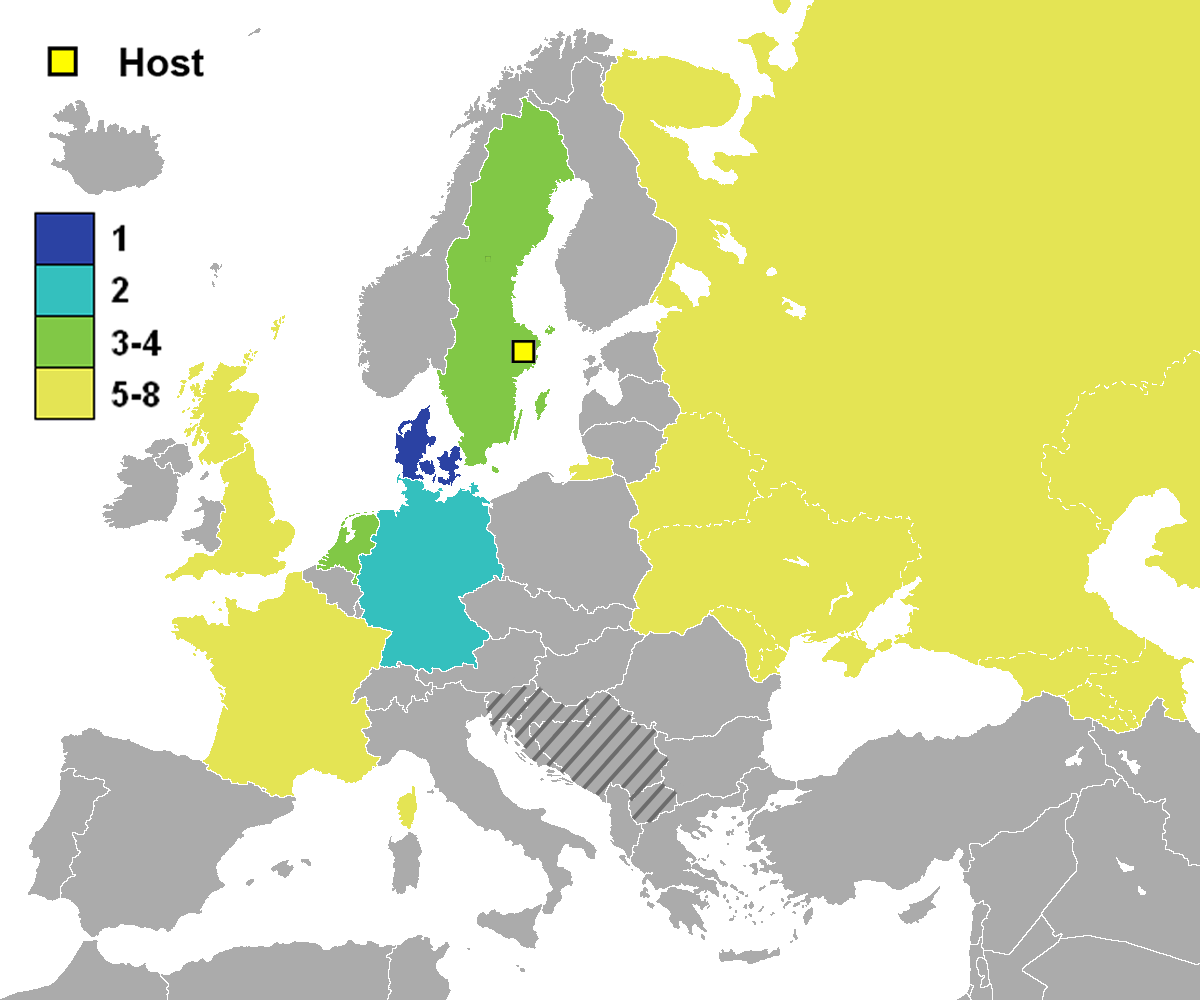


Format and qualified teams
The finals used a straightforward format: two groups of four teams each, with the top two from every group advancing to the semifinals. As host nation, Sweden qualified automatically. The tournament included teams that had progressed through qualifying rounds across European federations, representing the broader landscape of European football. The defending champions were the Netherlands, winners of Euro 1988, but they did not take part in the 1992 final stage.
Originally eight squads were intended to contest the finals. Political events in Europe affected the final line-up: Yugoslavia, which had earned a place, was unable to participate because of international sanctions related to conflict in the region. As a result, the Danish national team, which had not qualified in the usual way, was invited at short notice and accepted the opportunity to compete.
Match highlights and the final
Sweden hosted matches in several stadiums, and the final was staged at Ullevi in Gothenburg. Denmark produced an extraordinary run: after joining the finals as late replacements they advanced from their group, won a semifinal, and faced a strong German side in the final. Denmark defeated Germany 2–0 to claim the title. The victory was notable for its dramatic arc — a small nation arriving by chance and leaving as continental champions.
Key figures in Denmark's success included goalkeeper Peter Schmeichel, whose performances were widely praised, and midfielders who contributed crucial goals in the decisive matches, including the final. The achievement became one of the most memorable underdog stories in international football.
Legacy and notable facts
- Denmark's triumph is remembered as a remarkable upset and remains a highlight in Danish sporting history; see more on Denmark.
- The tournament was hosted by Sweden and was the last European Championship to feature only eight teams; future editions expanded the finals format.
- The political upheavals in Europe at the time — including the breakup and conflicts affecting several states — had a direct impact on which teams appeared at the finals.
Overall, UEFA Euro 1992 is remembered for its sporting drama and for demonstrating how unexpected circumstances can produce historic outcomes. The compact format, high stakes of each match and the improbable success of Denmark have ensured the tournament a lasting place in the history of international football.
Questions and answers
Q: What was the formal name of UEFA Euro 1992?
A: The formal name of UEFA Euro 1992 was the 1992 UEFA European Football Championship.
Q: When did the tournament take place?
A: The tournament took place from 10 June to 26 June.
Q: Who could compete in the tournament?
A: All European football teams were eligible to compete in the tournament.
Q: Who was the defending champion at UEFA Euro 1992?
A: The defending champion at UEFA Euro 1992 was Netherlands.
Q: Where did UEFA Euro 1992 take place?
A: UEFA Euro 1992 took place in Sweden.
Q: How many teams qualified for the final group stage? A: 8 teams qualified for the final group stage of UEFA Euro 1992.
Q: Who won the tournament? A: Denmark won UEFA Euro 1992 after defeating Germany in the final match.
Related articles
Author
AlegsaOnline.com UEFA Euro 1992 — Sweden tournament and Denmark's unexpected triumph Leandro Alegsa
URL: https://en.alegsaonline.com/art/102532