
UEFA Euro 2004 — Portugal tournament and Greece's surprise victory
UEFA Euro 2004 was hosted by Portugal from 12 June to 4 July 2004. The 16-team finals produced one of football’s biggest surprises: Greece won the championship, defeating host nation Portugal 1–0 in the final.
Overview
The 2004 UEFA European Football Championship, commonly called Euro 2004, was the twelfth edition of the continental tournament for national teams organized by UEFA. Held in Portugal from 12 June to 4 July 2004, the finals brought together 16 qualified sides to contest the trophy. The tournament is remembered for intense matches, closely fought knockouts and a shock champion: Greece, who defeated the hosts 1–0 in the final.
Image gallery
10 Images



Format and qualification
Qualification took place in 2002–2003 and determined the 16 teams that reached the finals. The finals format featured a group stage of four groups with four teams each, followed by single-match quarter-finals, semi-finals and a final. The structure allowed underdogs to advance by securing key results in the compact knockout phase.
Tournament highlights and results
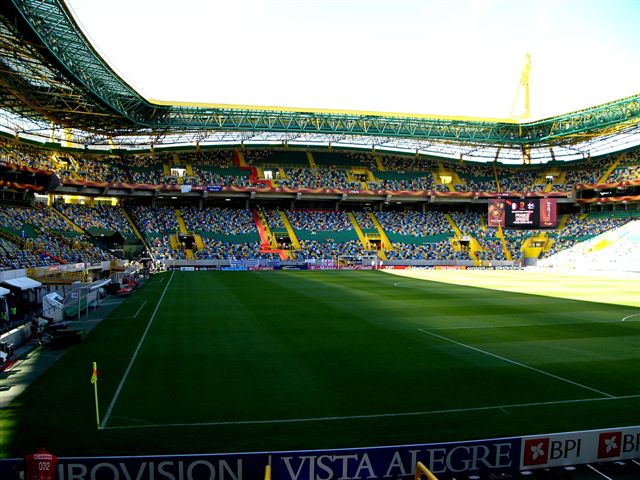
Portugal, awarded hosting rights in 1999, used several stadiums across the country, including major venues in Lisbon and Porto, to stage matches. The competition produced notable moments such as Portugal’s dramatic quarter-final win over England by penalty shootout. In the final, Greece claimed a 1–0 victory over Portugal to lift the trophy—a result widely regarded as one of the greatest upsets in modern international football.
Greece’s campaign and approach
Greece’s triumph was built on disciplined defending, tactical organization and efficient scoring opportunities. Coached by Otto Rehhagel, the team progressed through the group and knockout rounds by producing compact performances against more fancied opponents. The final victory established Greece as a memorable underdog story in European championships.
Significance and legacy
Euro 2004 is remembered for demonstrating how cohesive team tactics and defensive solidity can overcome higher-ranked sides. It inspired debate about styles of play at international level and raised the profile of players and coaches involved. For Portugal, hosting the event reinforced the country’s reputation as a venue for major tournaments; for Greece, the win became a defining moment in the nation’s sporting history.
Further reading
- General competition information: UEFA European Championship overview
- European national teams and qualification context: European national team competitions
- Host selection and Portugal’s role as organiser: Portugal host details
Questions and answers
Q: What is UEFA Euro 2004?
A: UEFA Euro 2004 was the twelfth tournament of the UEFA European Football Championship, a football tournament held all four years for European nations.
Q: When was UEFA Euro 2004 held?
A: UEFA Euro 2004 was held between 12 June and 4 July 2004 in Portugal.
Q: Which country was given the UEFA Euro in 1999?
A: Portugal was given the UEFA Euro in 1999.
Q: Who won the UEFA Euro 2004?
A: Greece won the UEFA Euro 2004 after defeating Portugal with 1:0.
Q: How was the qualification for UEFA Euro 2004 held?
A: The qualification for UEFA Euro 2004 was held in 10 groups of five in the years 2002 and 2003.
Q: How often is UEFA Euro held?
A: UEFA Euro is held every four years for European nations.
Q: How many teams participated in the UEFA Euro 2004?
A: The text does not mention how many teams participated in the UEFA Euro 2004.
Related articles
Author
AlegsaOnline.com UEFA Euro 2004 — Portugal tournament and Greece's surprise victory Leandro Alegsa
URL: https://en.alegsaonline.com/art/102535
Sources
- news.bbc.co.uk : Euro 2004 Tiebreakers – Explained
- euro2004.com : "Own goals against"