
UEFA Euro 2000 — overview, hosts, final and legacy
Euro 2000 was the 11th UEFA European Championship, co-hosted by Belgium and the Netherlands. France won the tournament, defeating Italy by a golden goal in the final held at the King Baudouin Stadium.
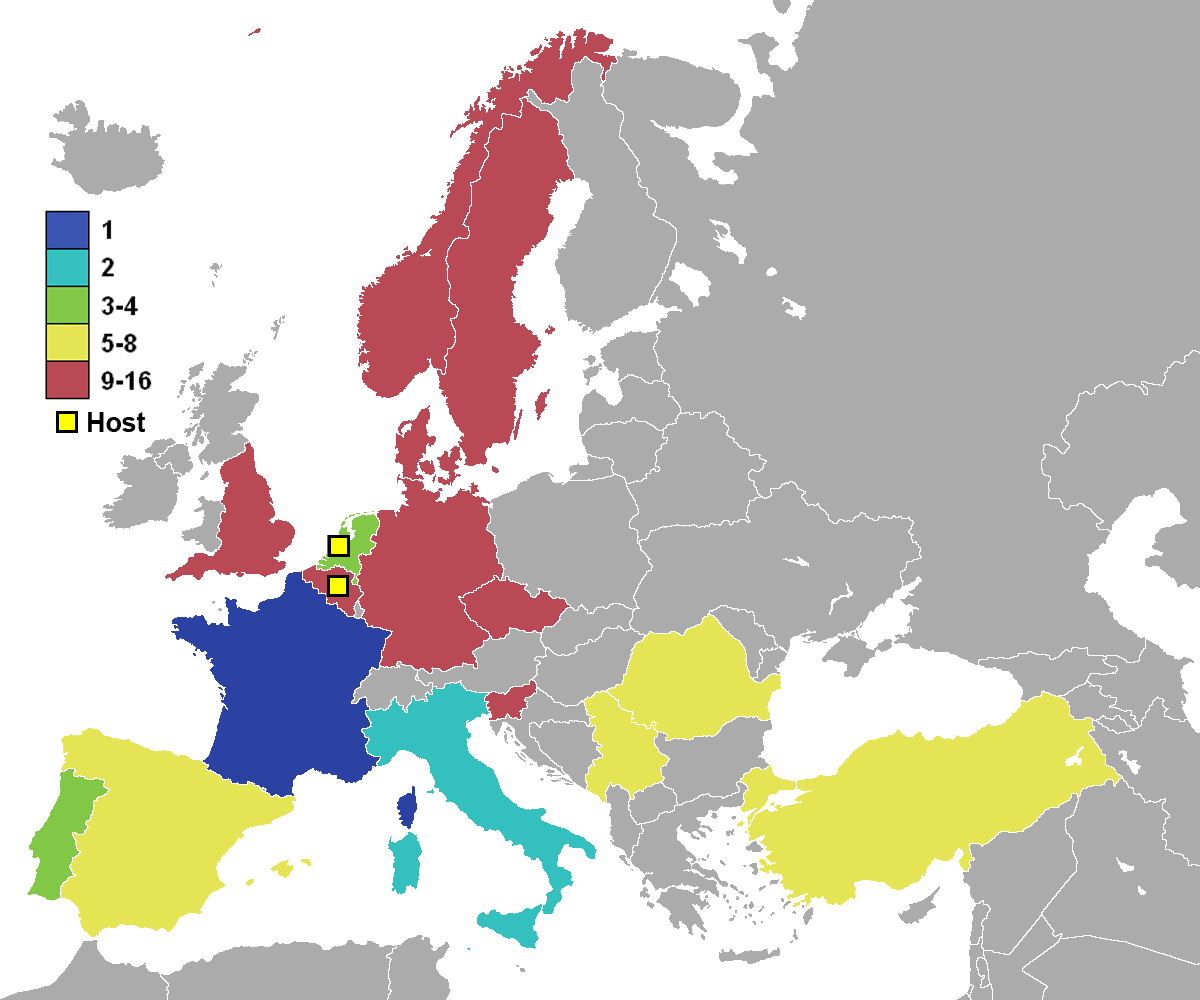
The 2000 UEFA European Football Championship, commonly called Euro 2000, was the 11th edition of UEFA's continental championship for national teams. Organized by UEFA, the finals were staged between 10 June and 2 July 2000 and marked the first time the tournament was co-hosted by two nations: Belgium and the Netherlands. The competition brought together 16 qualified teams and showcased a mix of tactical innovation and attacking play that made it one of the more memorable European Championships.
Image gallery
10 Images





Format and hosts
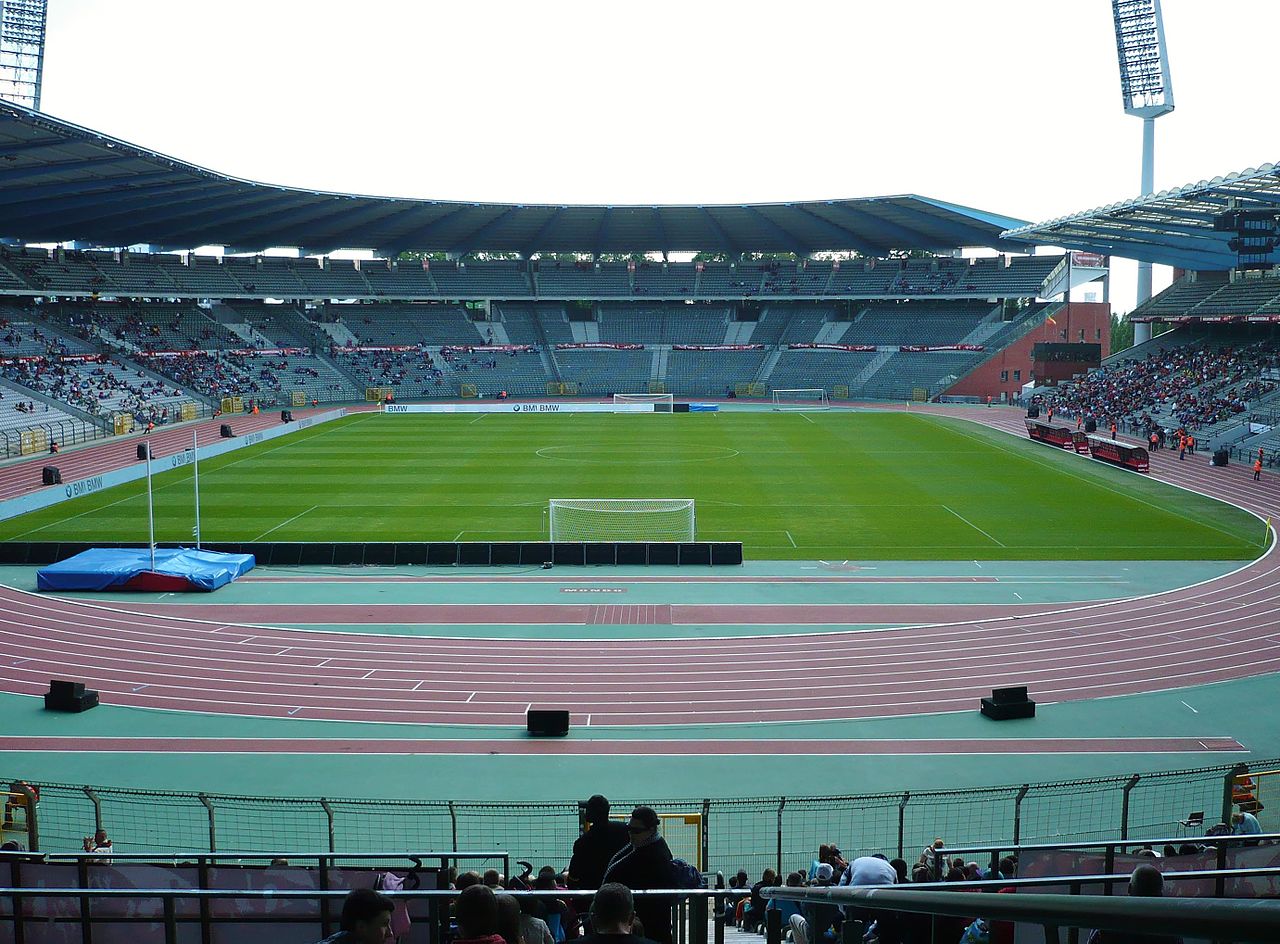
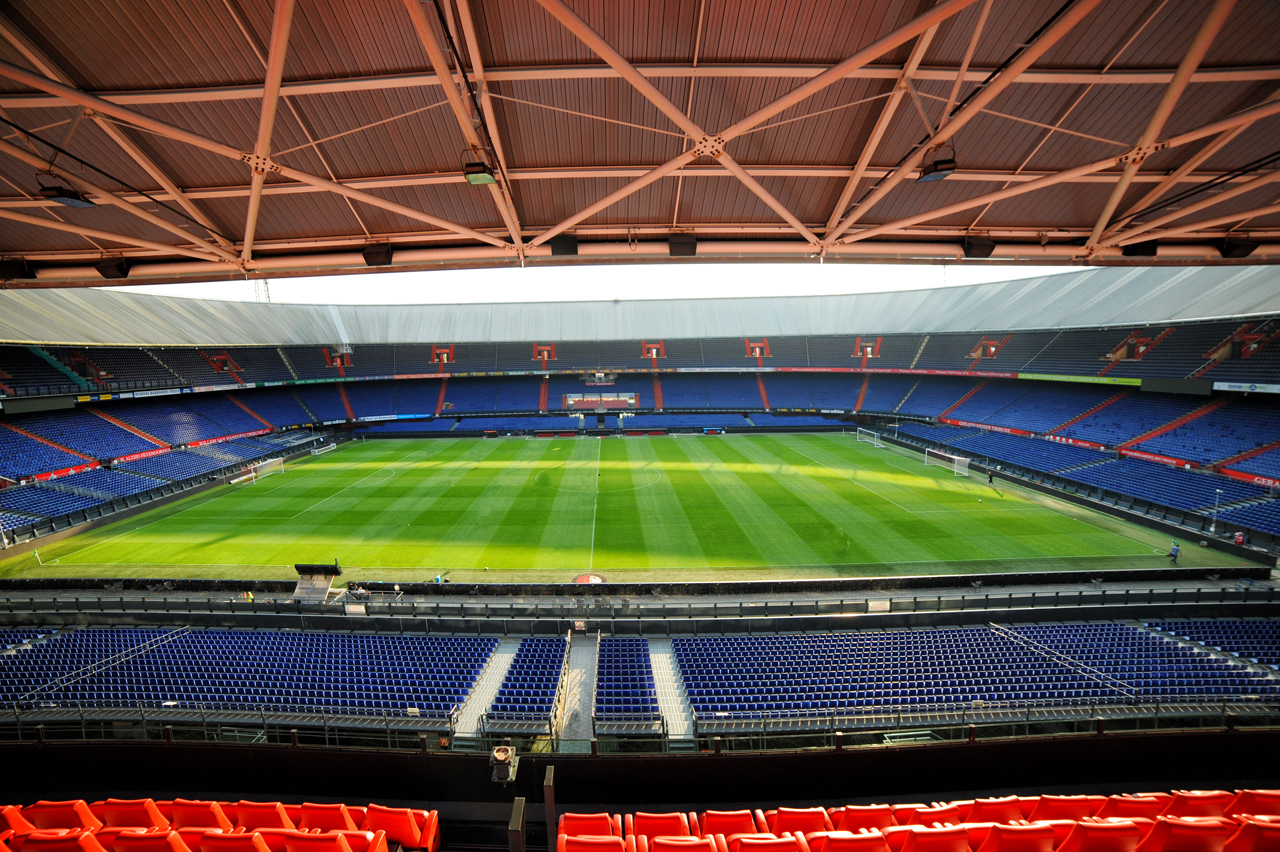
The final tournament kept the 16-team format introduced in 1996, with the two hosts gaining automatic places and the remaining participants advancing through a qualifying phase. Belgium and the Netherlands were awarded hosting rights ahead of competing bids from Spain and Austria. Matches were played across several stadiums in both host countries, with the showpiece final held at the King Baudouin Stadium in Brussels. Hosting the event jointly helped spread matchday demand and showcased stadia and infrastructure in both nations.
Tournament highlights and the final
The tournament featured tight group stages followed by knockout rounds that produced tense, high-profile fixtures. France, led by a core of established players, progressed through the knockout rounds and met Italy in the final. The decider ended 2–1 in France’s favour after extra time when a golden goal — a sudden-death rule in force at the time — secured the title. The winning strike remains one of the most frequently recalled moments from Euro 2000, and France celebrated what would be an important chapter in a period of international success for the team. The runners-up, Italy, also delivered notable performances throughout the competition.
Characteristics and notable players
Euro 2000 is often remembered for a blend of defensive discipline and moments of individual flair. Several squads featured players who were influential at both club and international level. The winning side, representing France, combined experienced midfield play and emerging attacking talent. Tactical approaches varied by nation, from conservative defensive setups to aggressive, forward-thinking systems that sought to dominate possession and create scoring opportunities.
Legacy and significance
Euro 2000 left a lasting mark on European international football in a few respects. It was the first European Championship to be co-hosted, setting a precedent for future multi-country tournaments. The golden goal rule, which produced the tournament-winning moment, was already controversial and later removed from most competitions, making the final’s conclusion a historical footnote in rule evolution. Beyond rules and hosting, the event helped consolidate the reputations of several players and contributed to tactical discussions about balancing attack and defence at the international level.
Why Euro 2000 matters
- It demonstrated that multi-country hosting models were feasible for major football tournaments.
- The competition produced memorable, high-stakes matches that influenced coaching and selection decisions in subsequent years.
- The golden goal finish in the final remains a distinctive example of how rule changes can affect the drama and memory of a single match.
For readers seeking further details about squads, match results and venue lists, official tournament archives and national football associations provide comprehensive records and statistics. The 2000 championship stands as an important moment in the modern era of European international football, notable for its shared hosting, dramatic conclusion and its place in the careers of several prominent international players.
Questions and answers
Q: What is UEFA?
A: UEFA is association football's governing body in Europe.
Q: How often is the UEFA European Football Championship held?
A: The championship is held every four years.
Q: When was Euro 2000 held?
A: Euro 2000 was held between 10 June and 2 July 2000.
Q: Who co-hosted Euro 2000?
A: Belgium and the Netherlands co-hosted Euro 2000.
Q: How many nations were in the final tournament of Euro 2000?
A: The final tournament of Euro 2000 had 16 nations.
Q: Who won Euro 2000?
A: France won Euro 2000.
Q: Who did France defeat in the final of Euro 2000?
A: France defeated Italy 2-1 in the final of Euro 2000 by a golden goal.
Related articles
Author
AlegsaOnline.com UEFA Euro 2000 — overview, hosts, final and legacy Leandro Alegsa
URL: https://en.alegsaonline.com/art/102534