
UEFA Euro 1996: Hosts, format, final and legacy
Summary of the 1996 UEFA European Championship held in England, the first 16-team finals, Germany's victory by golden goal, key format points and cultural impact.
Overview
UEFA Euro 1996 was the tenth edition of the UEFA European Football Championship, staged from 8 June to 30 June 1996. For the first time the final tournament featured 16 teams in the group stage, expanding the competition's reach and creating a longer, more varied schedule. The event was hosted in England and attracted widespread attention across Europe and beyond.
Image gallery
10 Images


Format and participants
The finals used a group phase followed by knockout rounds: four groups of four teams, with the top two in each group advancing to quarter-finals, then semi-finals and a final. Sixteen nations qualified to play in venues around England. The competition included the defending champions, Denmark, who had won the previous tournament.
Host cities and atmosphere
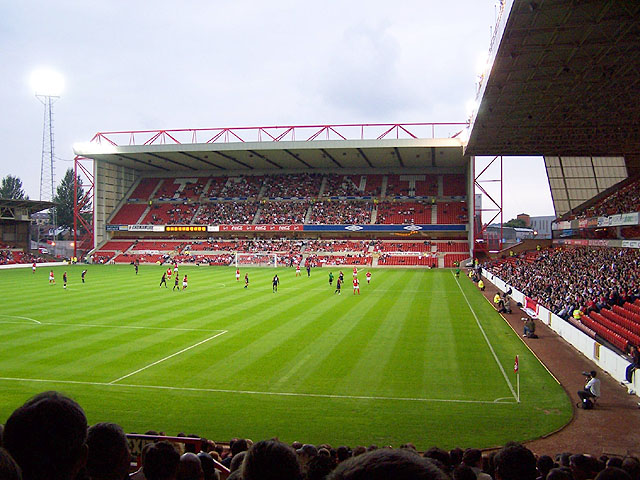
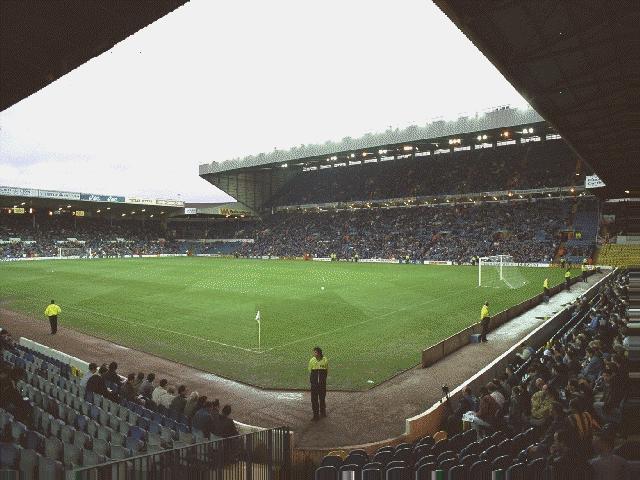
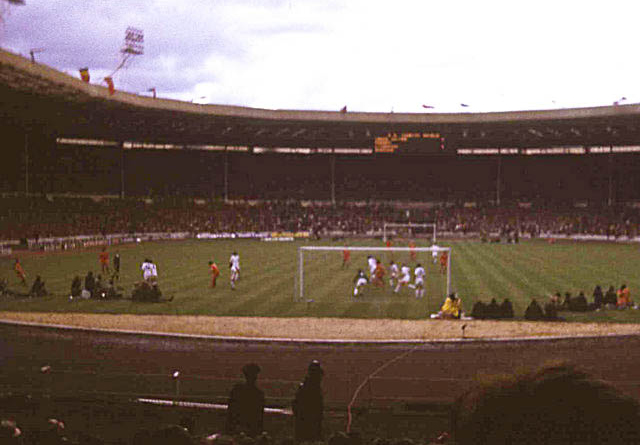
Matches were held at major English grounds, including the national stadium, and generated a lively atmosphere of fan zones, national support and media coverage. Hosting the tournament was promoted as an opportunity to showcase stadiums, local culture and English football hospitality. The slogan and popular music of the period helped the championship gain a strong cultural resonance in Britain and across Europe.
Notable outcomes and the final
The tournament concluded with Germany defeating the Czech Republic in the final. The match is remembered for its dramatic finish: Germany won 2–1 after extra time courtesy of a golden goal, a rule then used to decide sudden-death winners in extra periods. The result returned the continental title to Germany and produced several memorable moments for fans and players alike.
Legacy and significance
Euro 1996 had several lasting effects: it marked the beginning of the expanded 16-team era, increased commercial and broadcast interest in the tournament, and helped popularize football culture in England — exemplified by a widely heard tournament song and the phrase "football's coming home" that entered popular discourse. The event is often cited as a turning point in how the European Championship was staged and marketed.
Further reading
Questions and answers
Q: When was the UEFA Euro 1996 held?
A: The UEFA Euro 1996 was held from 8 June to 30 June.
Q: What was the formal name of the UEFA Euro 1996 tournament?
A: The formal name of the UEFA Euro 1996 tournament was the 1996 UEFA European Football Championship.
Q: Could all the European football teams compete in the tournament?
A: Yes, all the European football teams could compete in the UEFA Euro 1996 tournament.
Q: Who was the defending champion in the UEFA Euro 1996 tournament?
A: Denmark was the defending champion in the UEFA Euro 1996 tournament.
Q: Where was the UEFA Euro 1996 hosted?
A: The UEFA Euro 1996 tournament was hosted in England.
Q: How many teams were qualified for the final group stage in the UEFA Euro 1996 tournament?
A: 16 teams were qualified for the final group stage in the UEFA Euro 1996 tournament.
Q: Who was the winner of the UEFA Euro 1996 tournament and who did they defeat in the final?
A: Germany was the winner of the UEFA Euro 1996 tournament after defeating Czech Republic in the final.
Related articles
Author
AlegsaOnline.com UEFA Euro 1996: Hosts, format, final and legacy Leandro Alegsa
URL: https://en.alegsaonline.com/art/102533