
Great Barrier Reef
The Great Barrier Reef is the world's largest coral reef system off northeastern Australia, renowned for its biodiversity, ecological importance and vulnerability to warming and pollution.
Overview
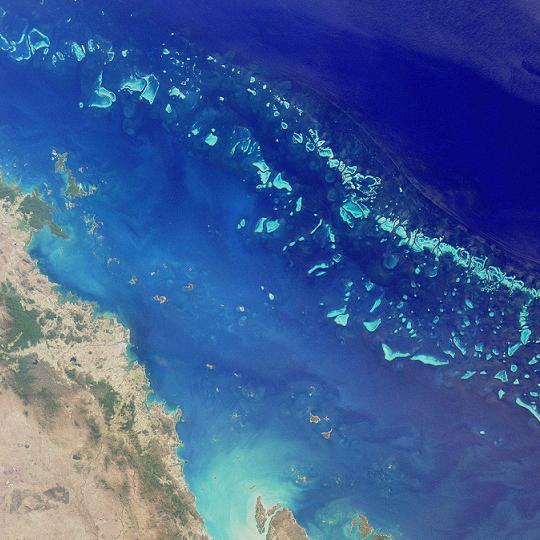
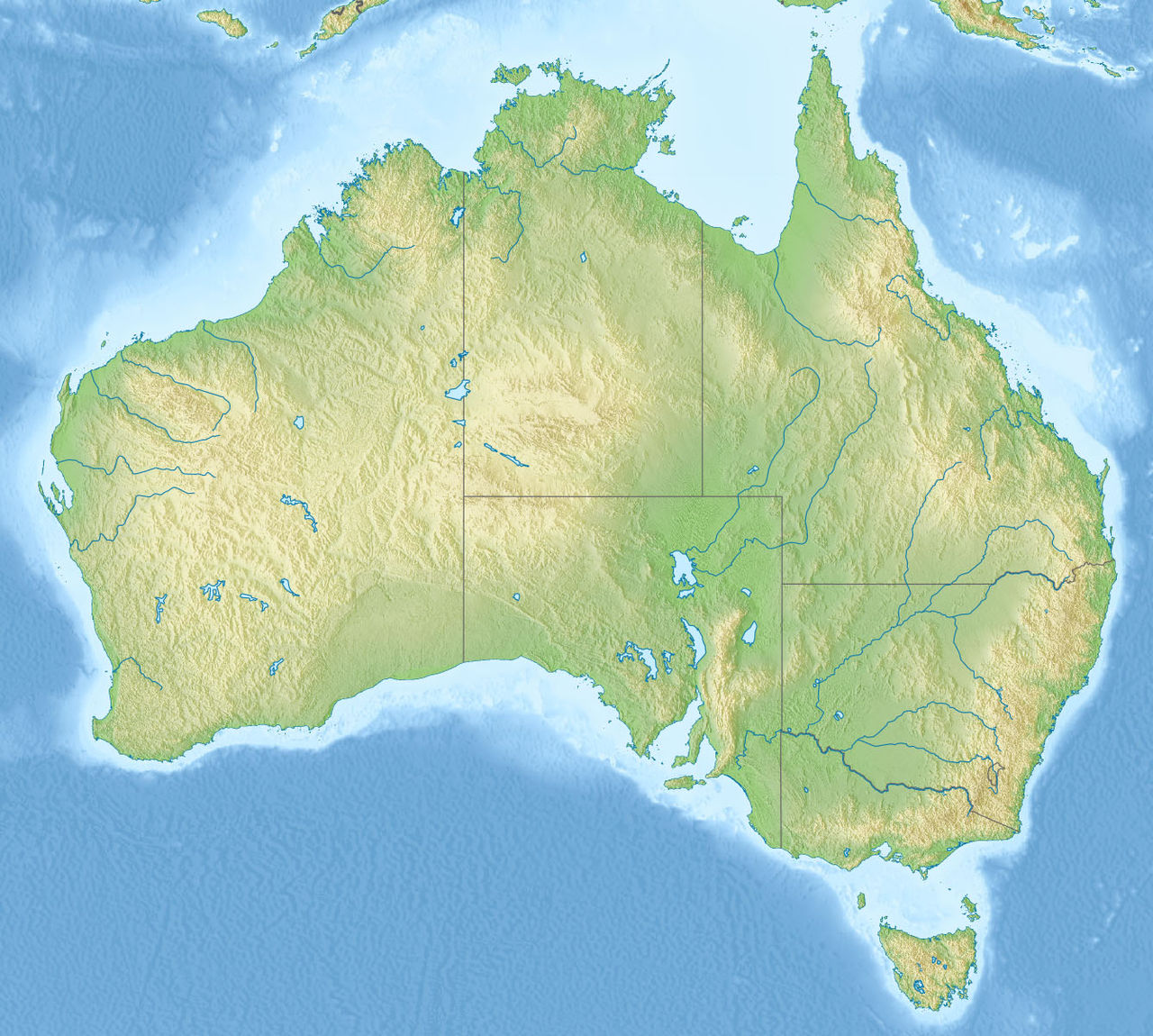
The Great Barrier Reef is the largest known coral reef system on Earth. Located off the northeastern coast of Queensland in Australia, it comprises nearly 2,900 individual reefs and more than 600 islands. The reef system covers an area of roughly 327,800 km² and extends for about 2,600 km along the coast. It is the largest structure created by living organisms and has been noted for its scale in satellite imagery and space observations. The formation is commonly described simply as a coral reef, but it is a complex network of habitats rather than a single continuous barrier.
Image gallery
10 Images


Ecology and main features
The Great Barrier Reef supports a wide variety of marine life and habitat types, from shallow fringing reefs to deeper lagoon systems and exposed outer slope reefs. Key characteristics include:
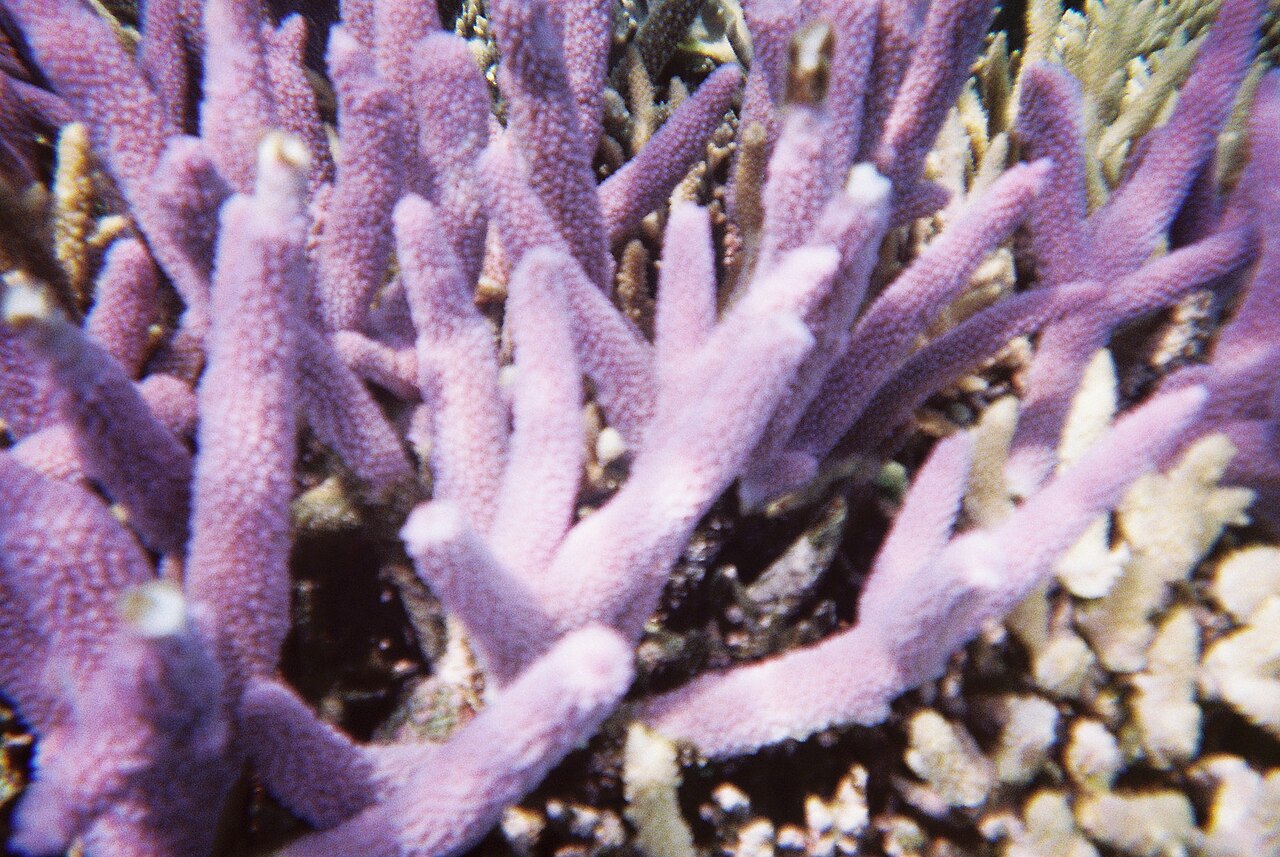
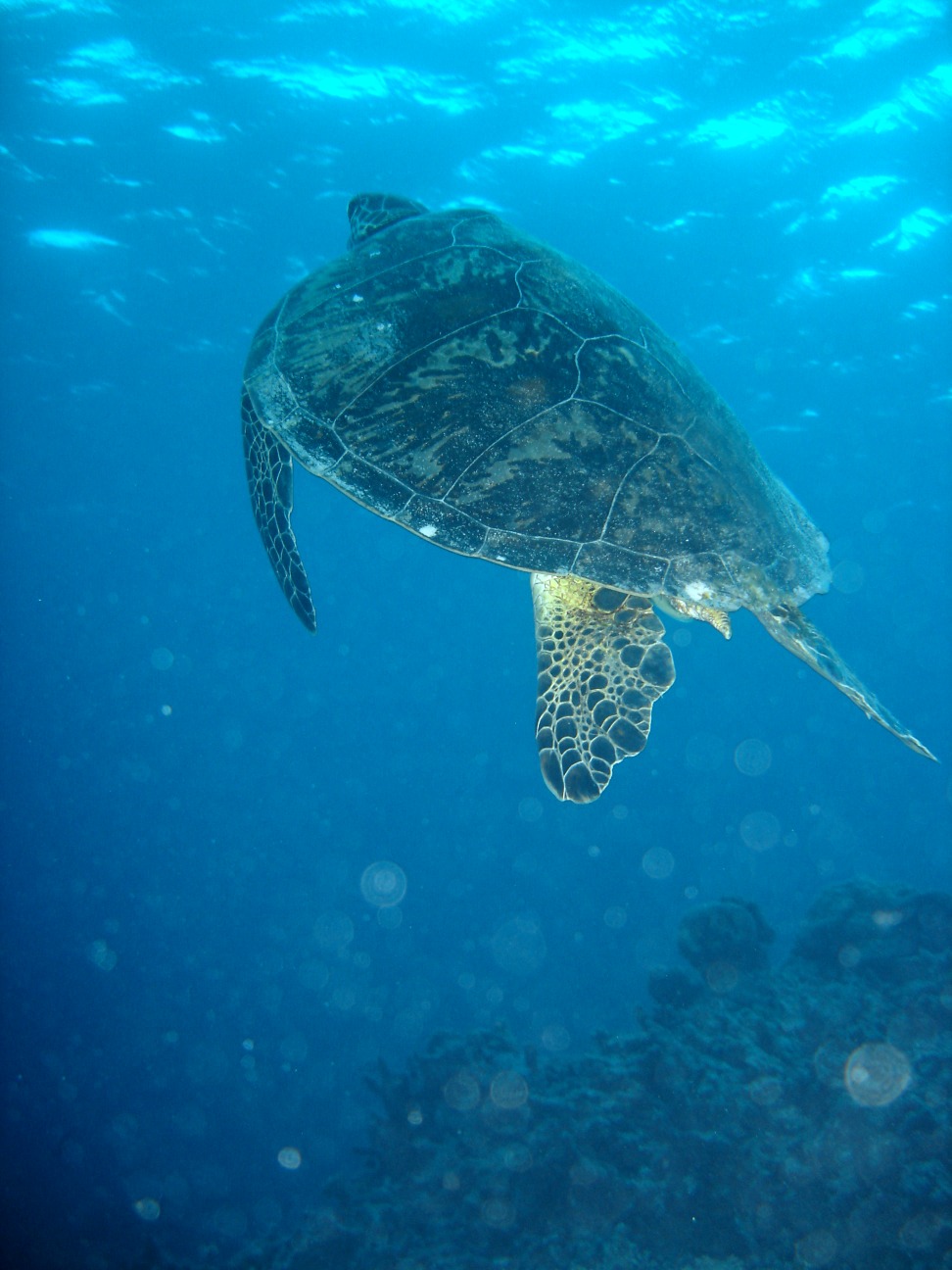
- High biodiversity: numerous species of hard and soft corals, reef fishes, molluscs and crustaceans, as well as larger animals such as sea turtles, dugongs and seabirds.
- Varied island and cay environments: more than 600 islands and sand cays that host different plant and animal communities and human uses across the reef.
- Complex ecological interactions: reef-building corals live in symbiosis with microscopic algae, and the physical reef structure provides shelter and breeding grounds for many species.
Origin and development
Coral reefs form over long periods as reef-building corals deposit calcium carbonate skeletons. Growth depends on clear, warm, shallow seawater and the partnership between corals and photosynthetic algae (zooxanthellae). The present shape and distribution of reefs have been influenced by changes in sea level and climate since the last ice age; reef development is an ongoing balance between growth, erosion and burial by sediments. Scientific study of reef cores, ecology and oceanography helps reconstruct how the system evolved.
Human use and cultural significance
The reef has multiple human values: it supports tourism and regional fisheries, contributes to local economies, and holds deep cultural and spiritual importance for many Indigenous Australian peoples who have traditional connections to its islands and waters. Internationally, the Great Barrier Reef has been inscribed as a World Heritage Site recognizing its outstanding universal value, and it is the subject of ongoing scientific and conservation attention from organizations including UNESCO.
Threats and conservation
The reef faces several interlinked threats. The most widely discussed is coral bleaching, a stress response caused when corals expel their symbiotic algae; mass bleaching is linked to elevated sea temperatures driven by global climate change and other stressors. Large-scale bleaching events in recent years, including a severe mortality episode in 2016 that affected extensive stretches of coral along the reef, have highlighted the reef’s vulnerability. Other pressures include storm damage, outbreaks of coral predators, coastal runoff and nutrient pollution, and unsustainable fishing.
- Primary conservation responses include zoning and management within the marine park, water-quality improvement programs, active reef restoration trials, fisheries controls and international efforts to reduce greenhouse gas emissions.
- Monitoring and research programs aim to track reef health, understand stressors such as bleaching, and test interventions to increase resilience.
Notable facts and ongoing importance
Beyond its scientific and natural values, the Great Barrier Reef is a global reference for coral ecology and marine conservation. It remains a major attraction for tourism while also serving as an early warning system for the health of tropical marine ecosystems under climate change. Continued protection efforts combine local management, national policy and international cooperation to preserve this extensive and biologically rich marine landscape for future generations.
Questions and answers
Q: What is the Great Barrier Reef?
A: The Great Barrier Reef is the world's largest coral reef located near the coast of Queensland, Australia.
Q: How many coral reefs and islands does the Great Barrier Reef have?
A: The Great Barrier Reef is made up of nearly 2900 coral reefs and over 600 islands.
Q: How big is the Great Barrier Reef?
A: The Great Barrier Reef is 327,800 km2 big and 2600 km long.
Q: Why has the Great Barrier Reef been listed as an important World Heritage Site?
A: The Great Barrier Reef has been listed as an important World Heritage Site by UNESCO.
Q: What is the biggest threat to the Great Barrier Reef today?
A: Coral bleaching caused by high sea water temperatures as a result of global warming is the biggest threat to the Great Barrier Reef today.
Q: Has the Great Barrier Reef experienced a die-off due to climate change?
A: Yes, during 2016, the worst die-off ever recorded occurred, due to seas warming around the Great Barrier Reef. Two-thirds of a 700-km (435 miles) stretch of coral in nine months were killed.
Q: Can the Great Barrier Reef be seen from outer space?
A: Yes, the Great Barrier Reef can be seen from outer space.
Related articles
Author
AlegsaOnline.com Great Barrier Reef Leandro Alegsa
URL: https://en.alegsaonline.com/art/40458
Sources
- books.google.com : Great Barrier Reef