
Orthodox Church of Ukraine
The Orthodox Church of Ukraine (OCU) is an autocephalous Eastern Orthodox Church formed in 2018–2019 with canonical territory in Ukraine. It plays a central role in Ukraine's religious life and national identity.
The Orthodox Church of Ukraine (OCU) is a self-governing Eastern Orthodox Church whose canonical territory is Ukraine. The body formed through a unification process in late 2018 and received a formal grant of autocephaly from the Ecumenical Patriarchate in January 2019. The church uses Ukrainian and Church Slavonic in worship and serves a substantial portion of Ukraine's Orthodox population; surveys in 2022 put affiliation with the OCU at about 47% of the population.
Image gallery
9 Images


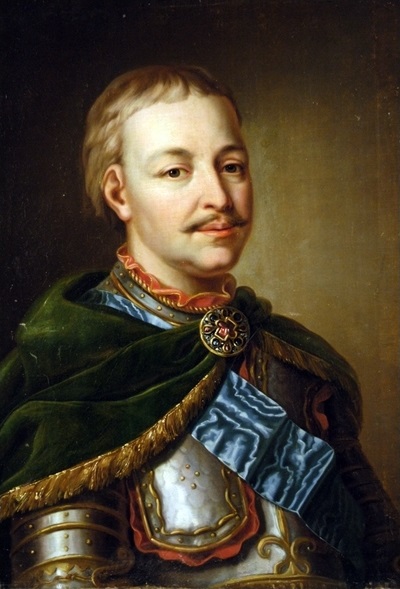
Organization and clergy
The OCU is led by a primate with the title Metropolitan of Kyiv and All Ukraine and is governed by a Holy Synod and other central church bodies. Its internal structure includes dioceses (eparchies), parishes, monastic communities, and theological institutions. Liturgical life follows the Byzantine rite common to Eastern Orthodoxy, while pastoral initiatives emphasize use of the Ukrainian language and local traditions.
Origins and development
The church emerged from a unification council that brought together clergy and communities from different Ukrainian Orthodox jurisdictions. The Ecumenical Patriarchate of Constantinople played a leading role in the process and issued a tomos (declaration of autocephaly) that recognized the OCU as an independent church. This change followed long-standing movements for an independent Ukrainian church separate from the Moscow-centered jurisdiction.
Recognition and relations
Recognition of the OCU by other autocephalous Orthodox churches has been uneven: some churches have established communion and full recognition, while others have withheld recognition or broken relations with Constantinople over the decision. The creation of the OCU also led to a rupture in relations between the Ecumenical Patriarchate and the Russian Orthodox Church, affecting broader inter-Orthodox diplomacy.
Social role and significance
The OCU plays a prominent role in Ukraine's religious and public life, contributing to national identity, pastoral care, education, and charitable work. Competition and legal disputes over church buildings and property have occurred in some regions as communities realign. The church's growth and public profile have been shaped by political developments and conflict in the region, with shifts in parish affiliation and local governance.
Distinctions and notable facts
- The OCU is distinct from the Ukrainian Orthodox Church that remained canonically linked to the Moscow Patriarchate; both serve Orthodox faithful in Ukraine but operate under different authorities and frameworks.
- Its autocephaly is rooted in a tomos granted by the Ecumenical Patriarchate, a move that emphasized Ukraine as the church's canonical territory and aimed to consolidate ecclesial unity within the country.
- Public opinion, church membership surveys, and institutional recognition continue to evolve; the religious landscape in Ukraine includes multiple Orthodox jurisdictions as well as other Christian traditions.
For further institutional information and statements, see the official church sources and related ecclesiastical communications such as those from the Ecumenical Patriarchate: OCU in Ukrainian, about Eastern Orthodoxy, and materials concerning Ukraine's canonical territory: Ukraine.
Related articles
Author
AlegsaOnline.com Orthodox Church of Ukraine Leandro Alegsa
URL: https://en.alegsaonline.com/art/102641