
Tutsan (Hypericum androsaemum) — shrubby St John’s-wort
Tutsan (Hypericum androsaemum) is a woody Eurasian shrub with bright yellow flowers and red-to-black berries. Valued ornamentally and in traditional herbal use, it is closely related to St John’s-wort (H. perforatum).
Overview
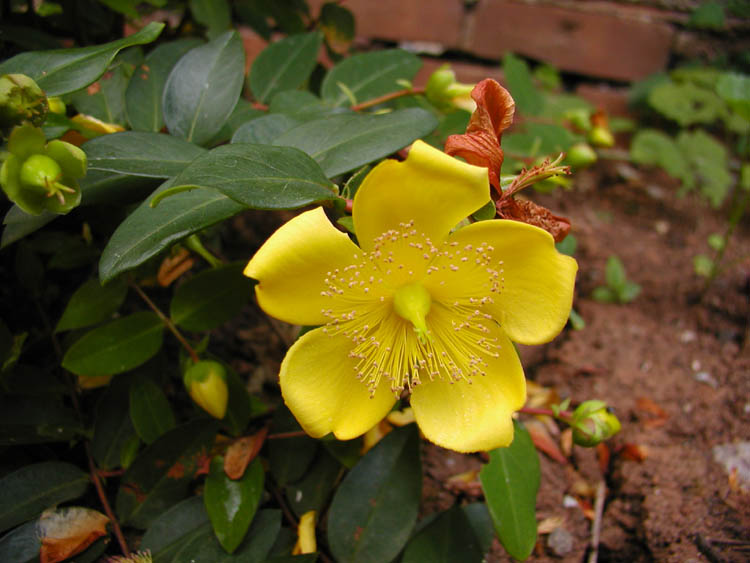
Tutsan, scientific name Hypericum androsaemum L., is a deciduous, bushy shrub native to parts of Europe and western Asia. It is commonly called tutsan or shrubby St John’s-wort and is noted for its clear golden-yellow flowers in spring and summer and its distinctive berries, which develop red tones and later darken to near-black as they ripen.
Image gallery
9 Images


Key characteristics
The plant typically forms multi-stemmed clumps with opposite leaves and showy flowerheads made up of several yellow petals and numerous stamens. The mature fruit are fleshy berries rather than the dry capsules found on some other Hypericum species. Leaves and flowers emerge in the growing season and are shed in autumn.
- Habit: Low to medium deciduous shrub.
- Flowers: Golden-yellow, conspicuous, often in clusters.
- Fruit: Red berries that turn black when fully ripe.
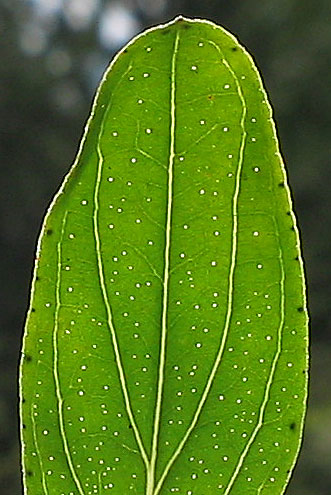
- Foliage: Simple, opposite leaves; seasonally deciduous.
History, names and relationships
The common English name tutsan derives from traditional usage and local names; in French it is known as toutesaine. Tutsan belongs to the genus Hypericum, which includes herbaceous and woody species. Its most familiar relative is Hypericum perforatum (St John’s-wort), an herbaceous plant historically used in folk medicine.
Uses and cultural importance
Tutsan is grown chiefly as an ornamental for its long flowering period and colorful fruits that add interest to borders and mixed shrub plantings. In traditional herbal practice, parts of the plant have been used externally for minor wounds and skin conditions; modern references treat such uses cautiously and emphasize that traditional remedies are not a substitute for medical treatment. Birds are known to feed on the berries and can disperse seed, helping the plant naturalize in suitable climates.
Cultivation and notable distinctions
The shrub prefers well-drained soil and a position with full sun to partial shade. It propagates easily from seed or semi-hardwood cuttings and is valued for low-maintenance landscaping. Important distinctions from H. perforatum include tutsan’s woody, shrubby habit and fleshy berries, versus the herbaceous stems and dehiscent seed capsules of H. perforatum. For further botanical details and horticultural advice, see additional resources.
Related articles
Author
AlegsaOnline.com Tutsan (Hypericum androsaemum) — shrubby St John’s-wort Leandro Alegsa
URL: https://en.alegsaonline.com/art/102173