
Tucumcari, New Mexico
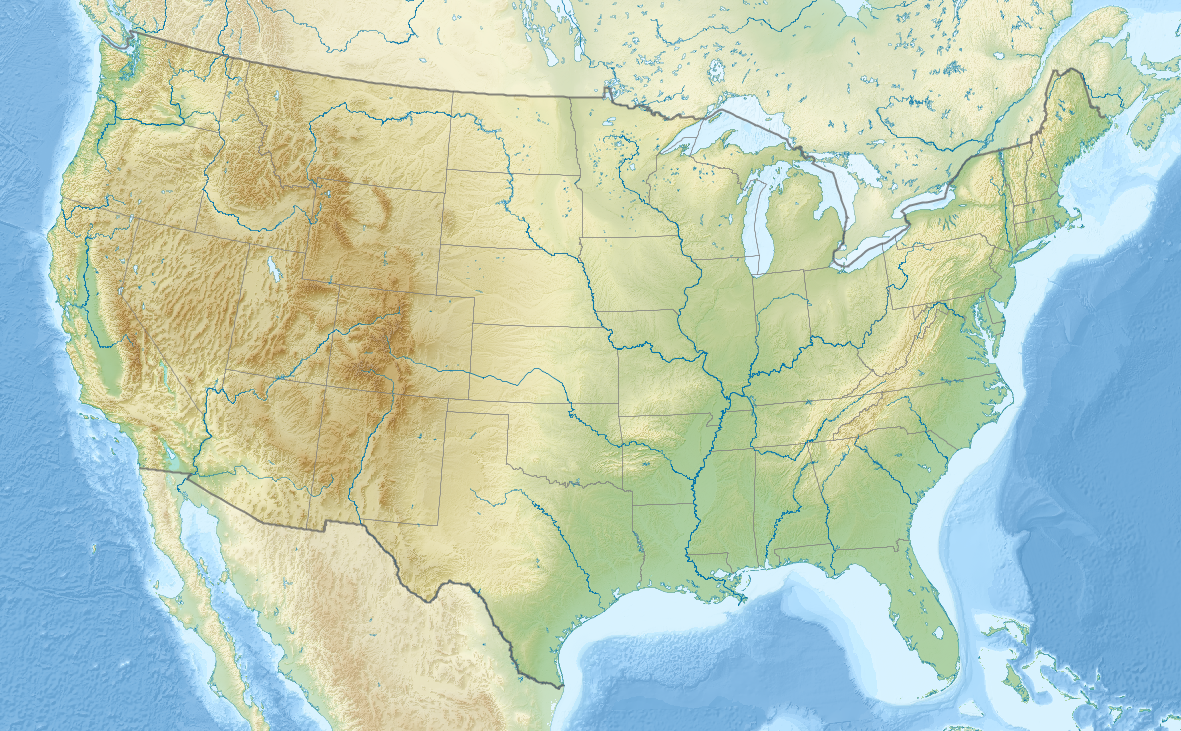
Tucumcari is a small city in eastern New Mexico, the county seat of Quay County, known for its Route 66 heritage, neon signs, Tucumcari Mountain, and desert landscape.
Tucumcari is a small city in the eastern region of the U.S. state New Mexico. Founded in 1901 as a stop on a westbound railroad line, it later became the administrative center and county seat of Quay County. The community occupies a strategic position along historic U.S. Route 66 and near the modern corridor of Interstate 40, making it a familiar waypoint for travelers across the southern High Plains.
Image gallery
9 Images



Overview and character
Tucumcari sits near an isolated rocky prominence called Tucumcari Mountain, which serves as a local landmark visible for many miles across the Llano Estacado. The town combines elements of railroad- and highway-era Americana: vintage motels, neon advertising, painted murals, and small museums. Its setting is semi-arid, with wide skies, warm summers, and cooler winters typical of eastern New Mexico.
History and development
The community grew up around railroad construction and supply activity at the turn of the 20th century. With the growth of automobile travel in the mid-20th century, Tucumcari gained prominence on U.S. Route 66, drawing motorists to service stations, diners, and motels. As long-distance traffic moved to Interstate 40, the town shifted some of its economy toward heritage tourism and services for regional agriculture.
Attractions and points of interest
- Historic neon signs and restored motels from the Route 66 era, which draw collectors and photographers.
- Tucumcari Mountain, a distinctive natural landmark and local symbol.
- Small museums and exhibits, including a regional dinosaur and natural history display that reflects local paleontology and geology.
- Public murals and community art projects celebrating local history and the road culture of Route 66.
Economy and cultural life
The local economy has traditionally relied on ranching and farming in the surrounding plains, government services tied to its county-seat role, and businesses serving highway travelers. In recent decades, efforts to preserve and interpret Route 66 heritage have become an important part of the town’s identity and visitor appeal. Community festivals, small galleries, and historic preservation projects highlight Tucumcari’s cultural life.
Notable facts and distinctions
Although modest in size, Tucumcari is widely recognized among enthusiasts of Americana and road travel for its well-preserved mid-century roadside architecture and signage. The town offers a compact example of how rail and highway routes shaped settlement patterns in the American West and how such places adjust to changing transportation trends.
For more general information about the city and county, consult local guides and official resources provided by municipal and regional organizations.
Related articles
Author
AlegsaOnline.com Tucumcari, New Mexico Leandro Alegsa
URL: https://en.alegsaonline.com/art/101946