
Tsushima Island — geography, history and modern significance
Tsushima Island is a Japanese island in the Korea Strait between Japan and South Korea. Part of Nagasaki Prefecture, it has a long maritime history, unique ecology, and strategic geographic role.
Tsushima Island lies in the waters between South Korea and mainland Japan. Administratively it belongs to Nagasaki Prefecture and is often described as a stepping stone in the Korea Strait. The island group is elongated north–south, with a rugged interior, coastal plains, and a temperate maritime climate influenced by warm currents.
Image gallery
10 Images




Geography and natural environment
Tsushima comprises a main chain of islands with a combination of forested hills and narrow agricultural valleys. Its position in the path of the Tsushima Current supports a rich marine ecosystem and makes the surrounding seas productive for fisheries. The island is also an important stopover for migratory birds and hosts several habitats valued for conservation.
History and cultural influences
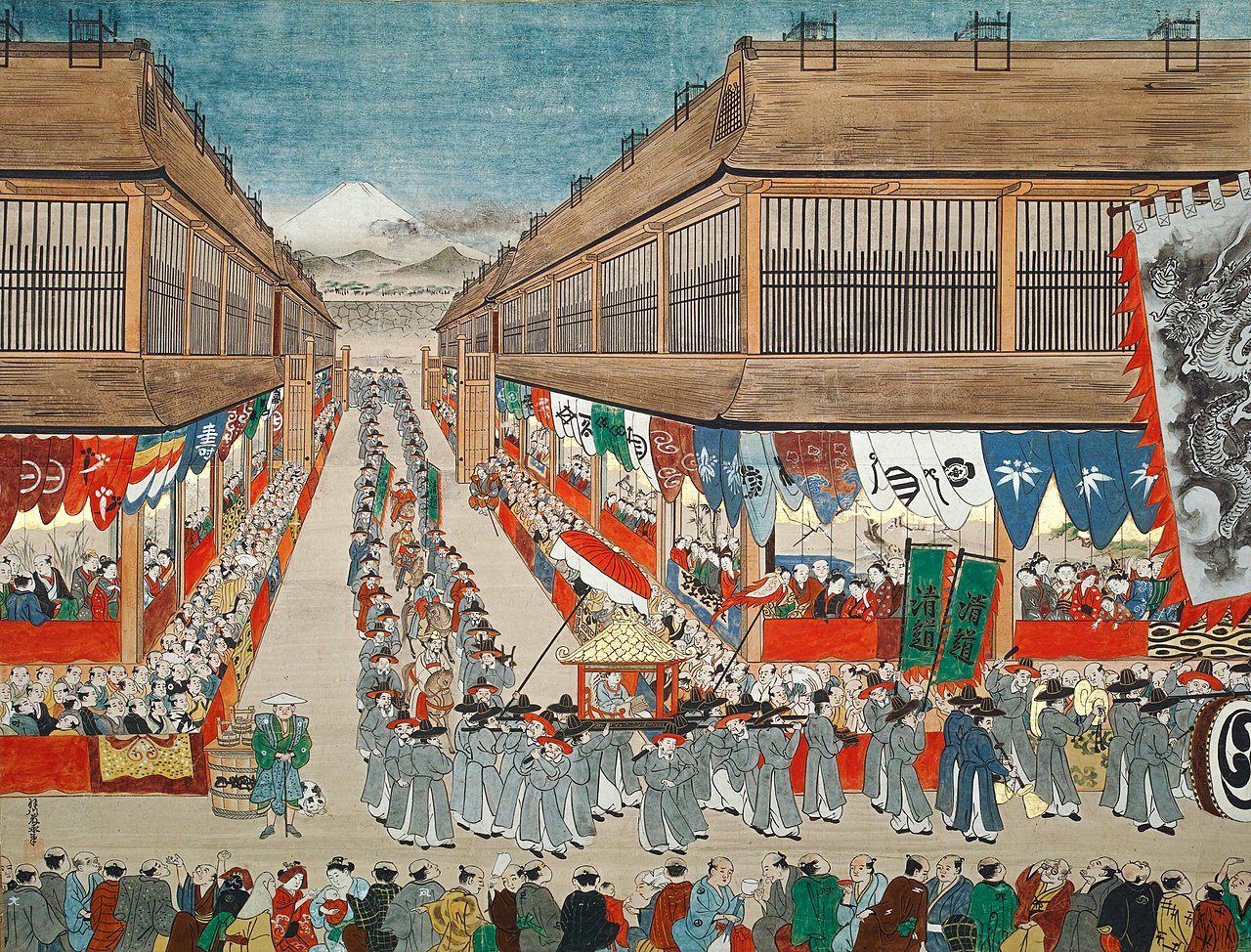
Tsushima has long been a contact zone between the Japanese islands and the Korean Peninsula. Over centuries its communities engaged in trade, diplomacy and occasional conflict. The island appears in medieval chronicles as a defensive outpost, and later local clans managed relations with visiting Korean envoys and traders. Famous events connected to the island include medieval attempts at invasion from the continent and later naval actions that highlighted its strategic maritime position.
Economy, society and tourism
The local economy combines fishing, small-scale agriculture, and services for residents and visitors. Cultural sites, historic shrines and coastal scenery attract tourists interested in history, nature and sea activities. Ferries and seasonal boat services link the island with ports on the Japanese mainland and with destinations across the strait, supporting both travel and commerce.
Notable facts and contemporary role
- Tsushima's location gives it continuing strategic and environmental importance for regional shipping and fisheries.
- Conservation efforts on the island focus on preserving native plant communities and migratory bird habitats.
- The island preserves a distinctive local culture shaped by centuries of cross-strait contact.
Visitors and scholars alike find Tsushima of interest for its blend of natural variety, layered history and ongoing role in the maritime geography of East Asia.
Related articles
Author
AlegsaOnline.com Tsushima Island — geography, history and modern significance Leandro Alegsa
URL: https://en.alegsaonline.com/art/101896
Sources
- books.google.com : "Tsushima"
- state.gov : "Limits in the Seas, No. 121; Straight Baseline and Territorial Sea Claims: South Korea," p. 23