
Trotskyism: theory, history, and contemporary influence
Trotskyism is a Marxist current based on Leon Trotsky's ideas, emphasizing international revolution, workers' democracy, and opposition to Stalinism. This article explains its doctrines, history, organizations, and debates.
Trotskyism is a distinct current within communism built around the political and theoretical contributions of Leon Trotsky. Trotsky himself described his position as an "orthodox Marxist" interpretation of Karl Marx's legacy. The tendency is best known for its insistence on internationalism, critique of bureaucratic rule in the Soviet Union, and the doctrine of "permanent revolution." Trotskyism developed as a response to debates over how socialist transformation could be sustained and spread in a world of competing states and uneven economic development.
Image gallery
10 Images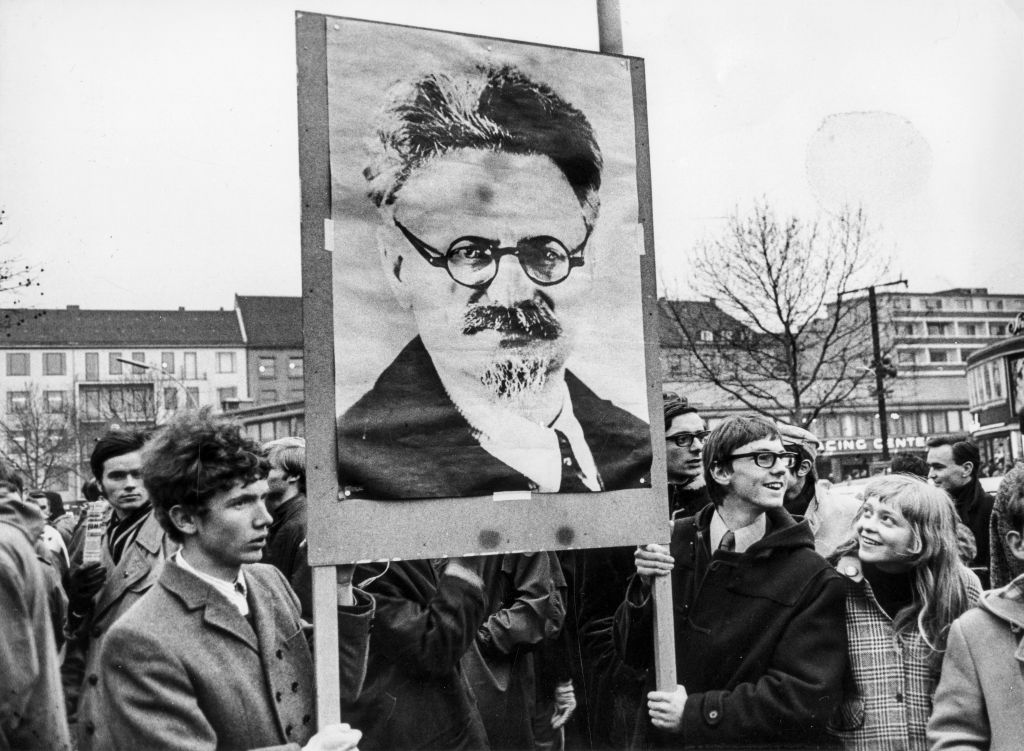




Core ideas and characteristics
Several themes recur across Trotskyist thought. They are often summarized as:
- Permanent revolution: the argument that working-class revolution cannot be confined to a single country and must continue until democratic and socialist tasks are achieved everywhere; this emphasizes global, not merely national, change and challenges the idea of isolating a revolution within a single nation.
- Internationalism: a belief that socialism requires coordinated action across borders, and that revolutions in more developed and less developed countries are interconnected rather than sequential; see also the emphasis on an international revolutionary organization.
- Critique of "socialism in one country": opposition to the doctrine associated with Joseph Stalin which held that a single state could build socialism in isolation.
- Political program and workers' democracy: advocacy for democratic institutions within socialist movements and criticism of bureaucratic centralization that can suppress rank-and-file control.
- Analysis of uneven development: theoretical attention to how capitalism develops at different speeds and how that affects revolutionary strategy.
Historical development
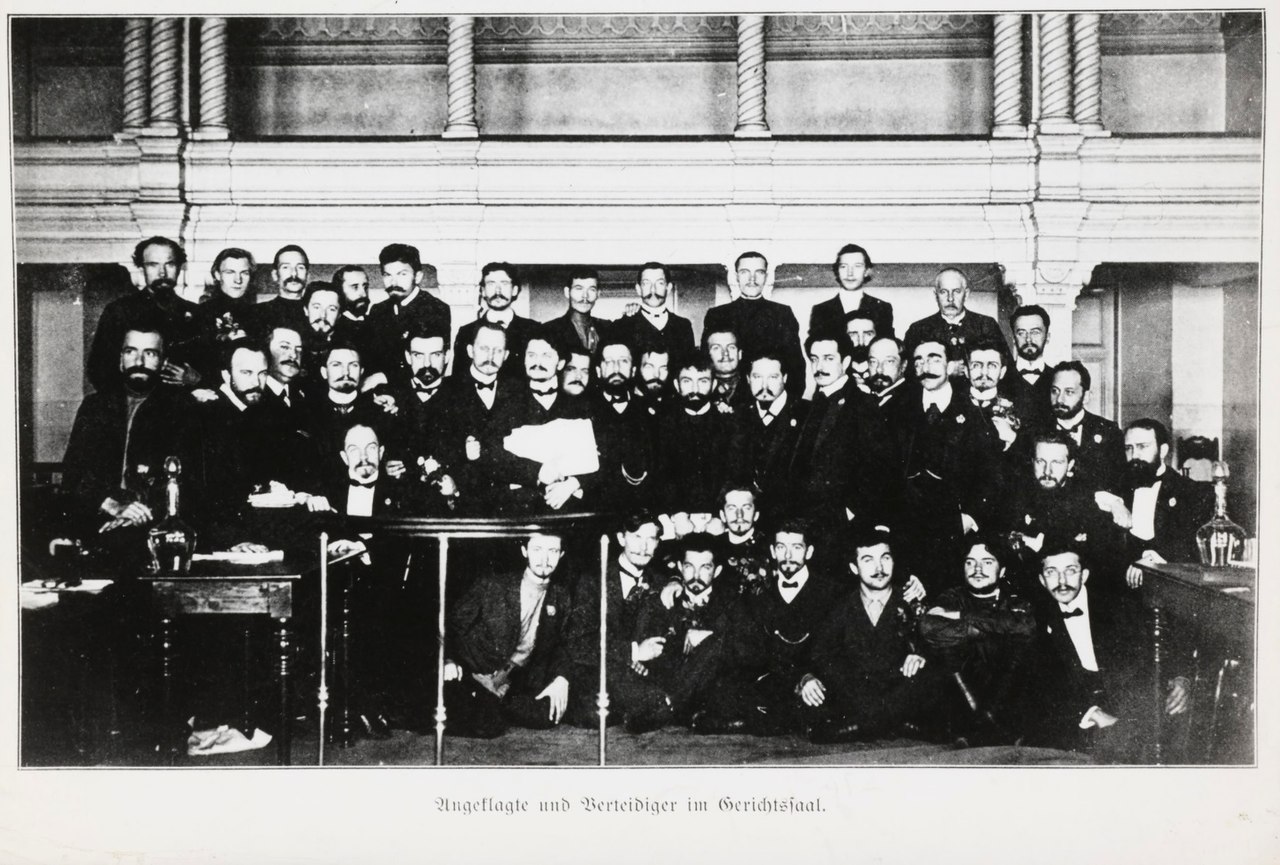
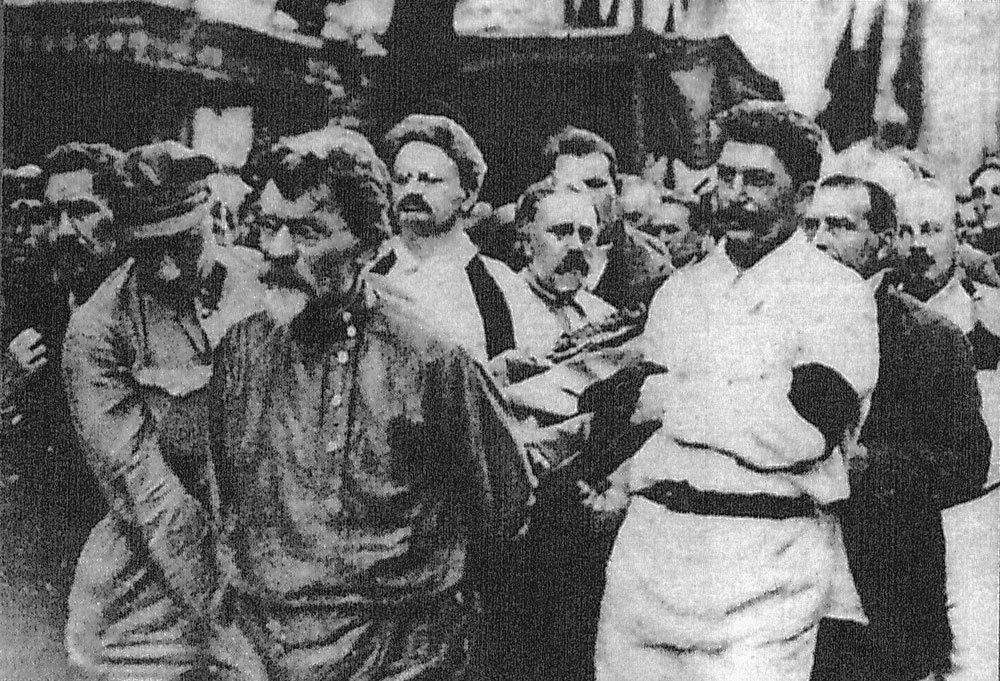
Trotsky's prominence grew from his role in the Russian Revolution and the early Soviet state, after which he became a leading voice against the policies of the Communist Party leadership that later rallied around Stalin. The dispute widened in the 1920s and 1930s into organizational and political separation. Trotsky and his supporters argued that the Soviet Union had become a "degenerated workers' state," with a privileged bureaucracy undermining proletarian rule. In the late 1930s Trotsky and allied militants helped found a new international grouping aimed at coordinating anti-Stalinist Marxists and promoting their strategy for global revolution.
Organizations and contemporary influence
Since the mid-20th century Trotskyist groups have multiplied, often divided over questions of tactics and theoretical emphasis. Large currents and labels associated with Trotskyist politics include the Reunified Fourth International and other internationals. Contemporary groups range from small parties to active tendencies inside broader socialist movements; notable formations today include currents named by scholars and participants as the Reunified Fourth International, the International Socialist Tendency, the International Communist League and the Committee for a Workers' International — broadly referred to here as Trotskyist organizations.
Relations, distinctions, and criticism
Trotskyists historically set themselves apart from other revolutionary tendencies. They criticized both the centralized model associated with Stalin and the adaptations made by figures such as Mao Zedong that combined nationalism with agrarian-based revolution. Trotskyist critiques have also been contested: opponents argue that Trotsky's prescriptions underestimated the practical difficulties of sustaining revolution across hostile borders, while supporters contend that only an internationalist strategy can prevent authoritarian consolidation.
Legacy and contemporary relevance
Trotskyism remains a reference point in debates over strategy, democracy, and international solidarity on the left. Its insistence on linking domestic struggles to wider global movements influences labor campaigns, anti-imperialist organizing, and discussions about how socialist politics should balance centralized coordination with democratic control. For readers seeking introductions or primary texts, consult historical overviews and collections of Trotsky's writings, and follow contemporary groups and debates via the networks associated with the various internationals and movements mentioned above.
Further reading and primary sources may be found through studies of Trotsky's ideas and the broader history of communism, and by comparing Trotskyist positions with those of other leaders such as Mao Zedong and Joseph Stalin to understand the range of 20th-century Marxist thought.
Related articles
Author
AlegsaOnline.com Trotskyism: theory, history, and contemporary influence Leandro Alegsa
URL: https://en.alegsaonline.com/art/101743