
Trossingen: German music town, instrument making, and fossil finds
Trossingen is a town in southern Germany known for its musical institutions, the Hohner harmonica factory, a harmonica museum, historic railway and notable Plateosaurus fossil discoveries.
Overview
Trossingen is a small town in Trossingen located in South Germany, within the state of Baden-Württemberg. It sits in the Baar region between the Swabian Alb and the Black Forest. Home to roughly 16,000 inhabitants, Trossingen is commonly referred to as a "music town" because of its concentration of musical schools, instrument makers and related cultural institutions.
Image gallery
2 Images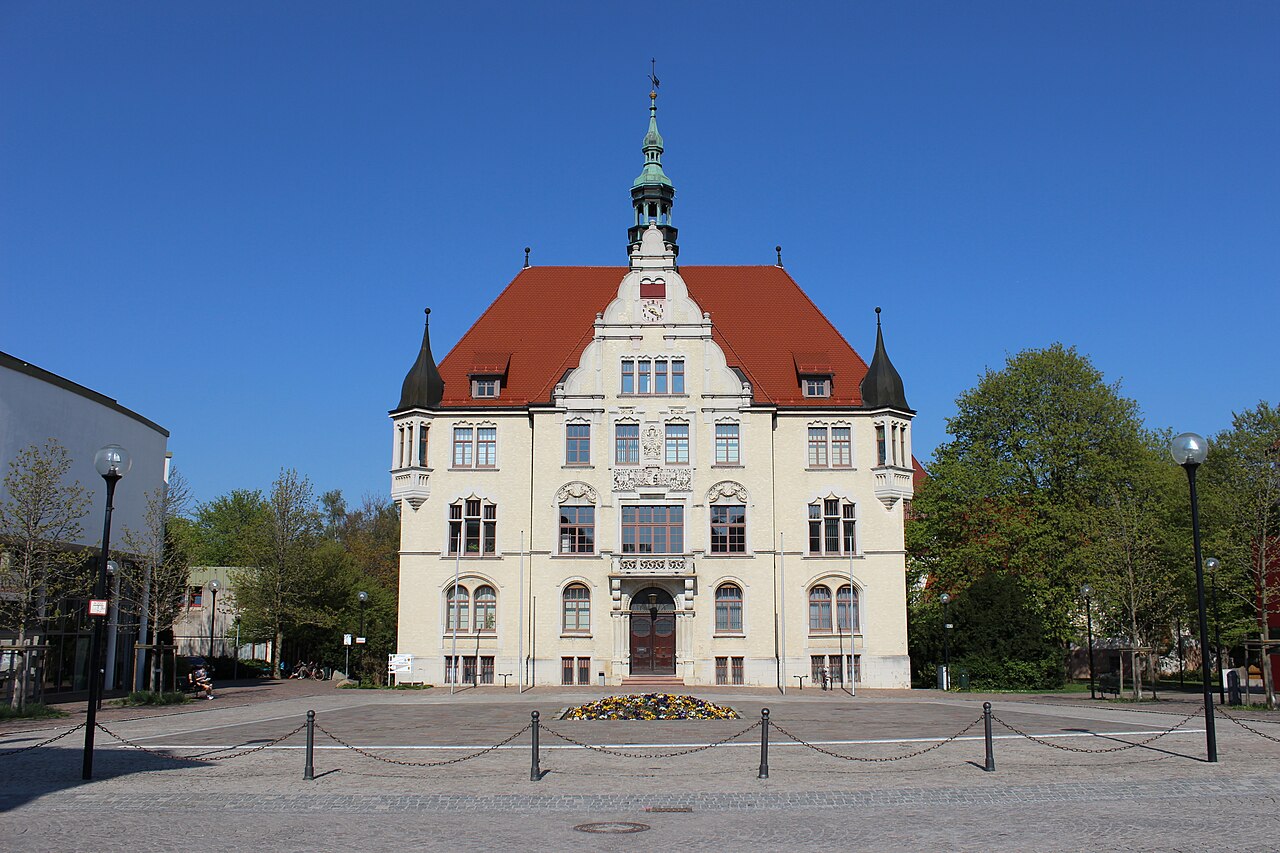

Geography and transport
The town occupies a position on the plateau area of the Baar, with landscape influenced by the nearby Schwäbische Alb (Swabian Alb) to the east and forested uplands to the west. Local public transport and heritage services include the historic Trossinger Eisenbahn, a notable short-distance railway that has both practical and museum value for visitors and residents.
Music, schools and cultural life
Trossingen's identity is shaped by several music-focused institutions. The town hosts the University of Music Trossingen, one of the state's conservatories, along with the Bundesakademie für musikalische Jugendbildung and the Hohner Conservatory. These establishments attract students and professionals for training in performance, pedagogy and research, and they support ensembles, masterclasses and public concerts that contribute to an active local cultural life.
Instrument manufacture and museums
Instrument making is central to Trossingen's modern reputation. The Matthias Hohner company, founded in 1857, established the town as a center for free-reed instruments. Hohner-produced harmonicas and accordions became internationally known, and instruments made in Trossingen have been used in many musical styles worldwide. The town also preserves this heritage through museums, most notably the German Harmonica Museum, which documents the history and technology of small reed instruments.
- Manufacturing history: the role of Matthias Hohner and the local industry in the 19th and 20th centuries.
- Museums: collections on harmonica construction, performance and social history.
- Educational links: conservatories and academies that maintain craft and performance traditions.
Fossils, archaeology and notable facts
Beyond music, Trossingen is known for important paleontological discoveries. Several well-preserved skeletons of the dinosaur Plateosaurus were recovered in local excavations in the early 20th century, including specimens attributed to Plateosaurus engelhardti. Some of the recovered bones and related exhibits are on display at local museums such as the Auberlehaus, where they illustrate the region's Triassic geology and the scientific history of the finds.
Why Trossingen matters
Trossingen offers a distinctive combination of music education, instrument manufacturing heritage and natural history. Its conservatories and academies sustain musical training; the Hohner legacy links the town to global instrument markets; and the fossil discoveries add a scientific and touristic dimension. Together these elements make Trossingen notable well beyond its modest size.
Related articles
Author
AlegsaOnline.com Trossingen: German music town, instrument making, and fossil finds Leandro Alegsa
URL: https://en.alegsaonline.com/art/101742
Sources
- destatis.de : "Alle politisch selbständigen Gemeinden mit ausgewählten Merkmalen am 31.12.2018 (4. Quartal)" · web.archive.org
- destatis.de : "Gemeinden in Deutschland nach Fläche, Bevölkerung und Postleitzahl am 30.09.2016"