
Tropical Storm Alma (2008): formation, impact, and legacy
A concise account of Tropical Storm Alma (2008): its formation off Costa Rica, rapid strengthening, landfall on Nicaragua's Pacific coast, flooding impacts and its regeneration as Arthur in the Atlantic.
Overview
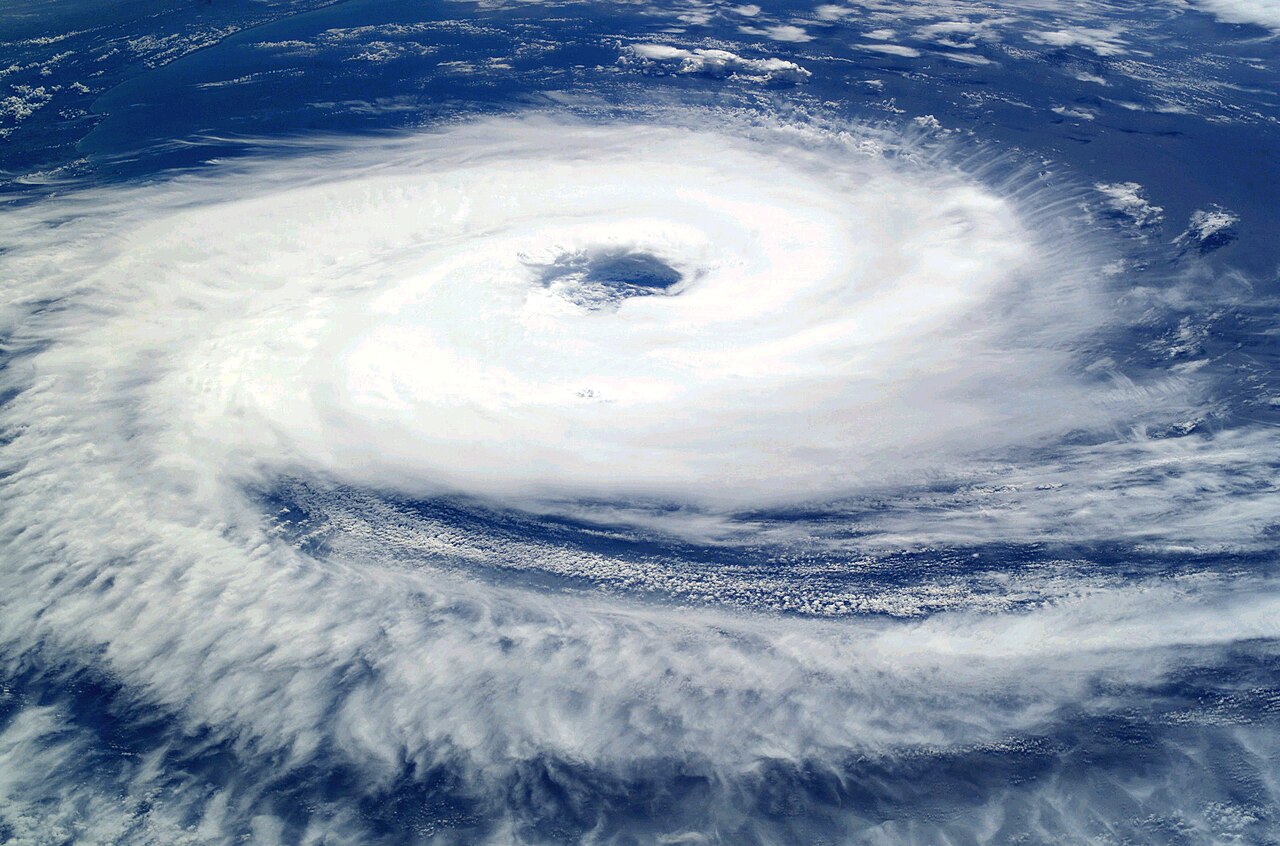
Tropical Storm Alma was an early-season tropical cyclone that formed in late May 2008. It developed from a disturbed area of low pressure off the coast of Central America and was part of the wider tropical cyclone activity recorded in the eastern Pacific that year. Initially forecast to remain weak, Alma intensified more rapidly than expected and made a notable landfall on the Pacific coast of Central America.
Image gallery
8 Images


Meteorological history
The system that became Alma consolidated into a defined tropical storm on May 29, 2008, well offshore of Costa Rica. Its formation occurred during the 2008 Pacific hurricane season. Steering currents carried Alma toward the northwest, bringing the center close to or over the coasts of Costa Rica and Nicaragua. Forecasters observed a faster increase in organization and convection than models had indicated, producing a short-lived but significant tropical-storm event.
Track and landfall
Alma formed near Costa Rica and progressed toward the Nicaraguan coastline. The storm made landfall on the Pacific side of Nicaragua, becoming the first recorded tropical storm to strike that portion of the Nicaraguan coast. Interaction with mountainous terrain caused Alma to weaken rapidly after landfall, and its circulation was disrupted as it crossed Central America.
Impacts
Heavy rains from Alma led to widespread flooding and localized landslides in affected coastal and inland communities. The storm resulted in multiple fatalities and disrupted transportation, agriculture, and housing in the hardest-hit areas. Reported impacts included:
- Flooding of low-lying areas and river valleys.
- Damage to roads and bridges, complicating relief efforts.
- Losses in crops and infrastructure in rural communities.
Aftermath and significance
After dissipating over land, the remnant circulation of Alma emerged into the Caribbean Sea and later regenerated into a new system that was designated Tropical Storm Arthur in the Atlantic. The event highlighted how tropical disturbances can cross from one basin to another and re-intensify, and it underscored vulnerability along Central America's Pacific coast where strong storms had been less common. Alma is often cited in regional hazard studies as an example of rapid intensification nearshore and the need for preparedness even for systems initially forecast to be weak.
Related articles
Author
AlegsaOnline.com Tropical Storm Alma (2008): formation, impact, and legacy Leandro Alegsa
URL: https://en.alegsaonline.com/art/101675
Sources
- commons.wikimedia.org : Tropical Storm Alma
- nhc.noaa.gov : "Tropical Cyclone Report: Tropical Storm Alma"
- commons.wikimedia.org : Commons