
Tropical Storm Barry (2007)
A brief, neutral overview of Tropical Storm Barry (2007): formation in the Gulf of Mexico, peak intensity, landfall near Tampa Bay, impacts in Cuba and the southeastern United States, and aftermath.
Overview
Tropical Storm Barry was the second named tropical storm of the 2007 Atlantic hurricane season. It developed in the Gulf of Mexico in early June 2007 and moved northeastward toward the Florida peninsula. Barry reached maximum sustained winds near 60 mph (95 km/h) before weakening in response to environmental wind shear and making landfall near the Tampa Bay area. The system produced heavy rain and localized flooding across parts of Cuba, Florida and Georgia before being absorbed by a larger extratropical system in early June.
Image gallery
10 Images





Meteorological history and characteristics
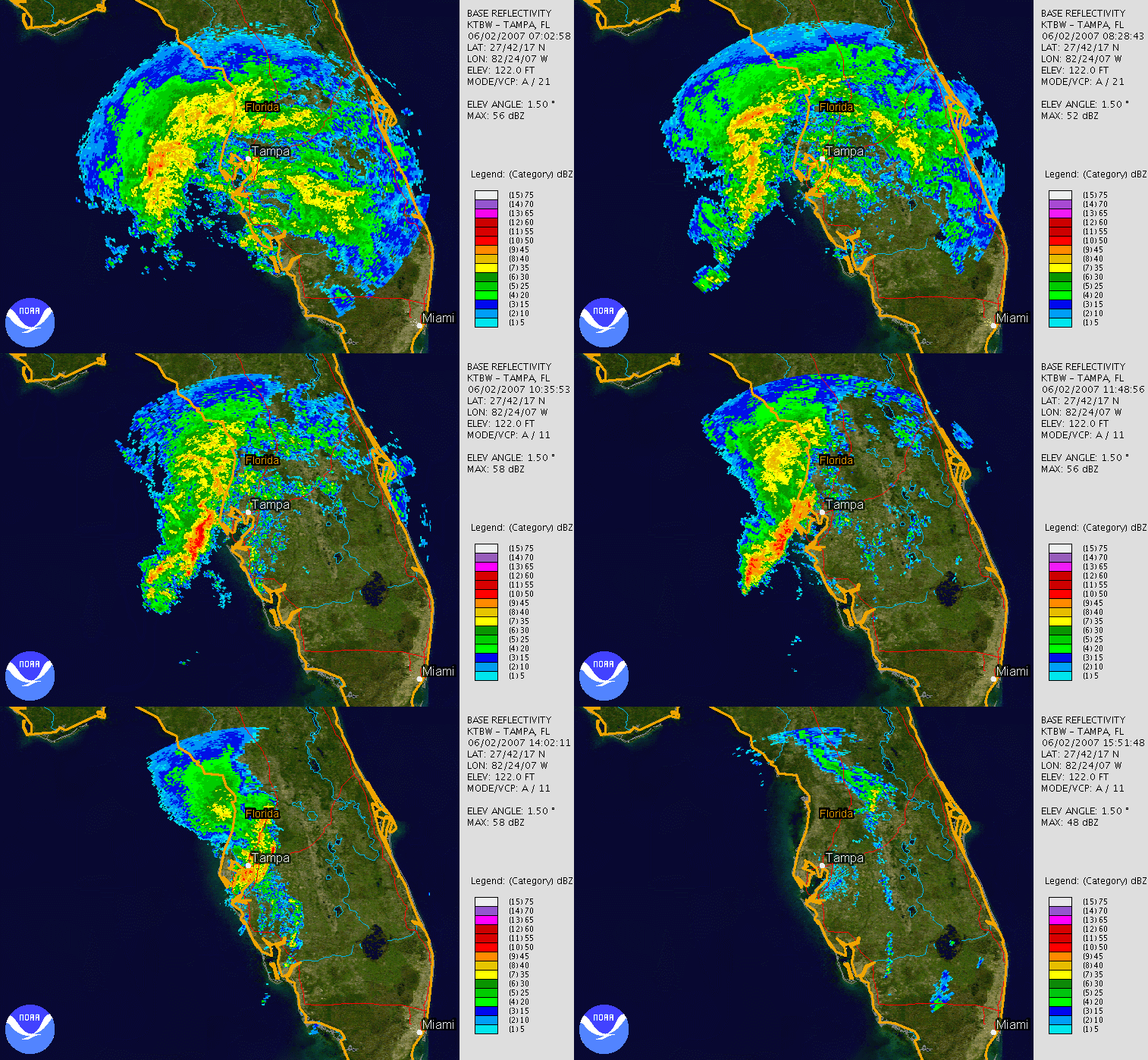
Barry originated from a disturbance over the warm waters of the Gulf of Mexico and organized into a tropical cyclone as convection increased. The storm attained tropical storm strength and showed a relatively compact wind field with the strongest winds near its center. Persistent vertical wind shear displaced thunderstorms away from the low-level center, which limited further intensification. After reaching peak intensity, the exposed center made landfall on the Florida Gulf Coast and the system rapidly weakened as its deep convection eroded.
Impacts and effects
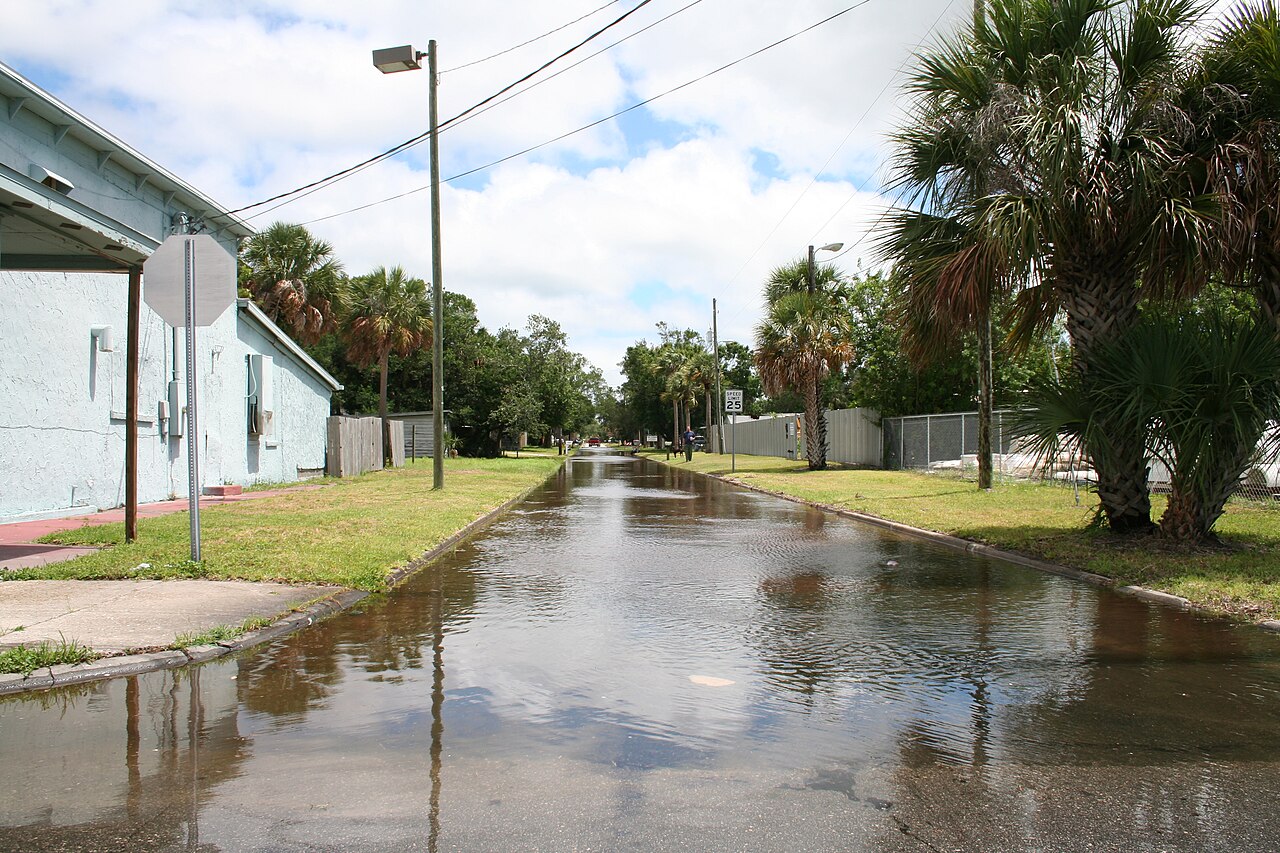
Although Barry was not a major hurricane, its rainfall had several notable local effects. In Cuba's western province of Pinar del Río light to heavy rains were reported; official reports indicated several injuries and damage to dozens of houses. In Florida the storm produced beneficial rain over regions that had been experiencing drought conditions, but it also caused flash flooding and hazardous driving conditions. Authorities reported roadway flooding that contributed to two traffic fatalities. In Pinellas County rough surf and dangerous currents were associated with the storm, and a fatality of a surfer was reported. In parts of Georgia the rain aided firefighting efforts by reducing wildfire activity in some areas. Overall, damage was described as limited compared with more powerful tropical cyclones.
Aftermath and significance
Barry illustrates how even relatively weak tropical storms can produce a mix of positive and negative outcomes: alleviating drought and aiding wildfire suppression on one hand, while causing flooding, dangerous surf, and isolated casualties on the other. The system weakened quickly after landfall due to wind shear and loss of organized convection, and by early June it was absorbed by a larger extratropical low. Emergency managers and the public were reminded of the importance of heeding flood warnings and coastal safety advisories even for storms that do not reach hurricane strength.
Regional summaries
- Cuba: Localized injuries and property damage reported in the Pinar del Río area from heavy rains and gusty winds.
- Florida: Landfall near Tampa Bay produced flooding, wet roads, hazardous surf, and a small number of storm-related fatalities; overall structural damage was limited.
- Georgia and southeastern U.S.: Rainfall helped suppress some wildfires and eased drought conditions in places.
Further reading and sources
Contemporary reports, storm summaries and post-storm analyses provide additional context for Barry's development, impacts and the weather conditions that limited its intensity. For more detailed technical or archival information, see official storm reports and regional summaries:
- Technical summary and advisories
- Landfall report and local observations
- Florida local impact summaries
- Atlantic basin seasonal context
- 2007 Atlantic hurricane season overview
- Gulf of Mexico conditions during formation
- Peak wind estimates and conversion notes
- Wind shear analyses
- Convection and thunderstorm reports
- East Coast track and evolution
- Cuban provincial reports
- Pinar del Río local impact notes
- Drought conditions alleviated by the rain
- Flooding and roadway hazard advisories
- Marine and surf safety notices
- Georgia wildfire response and rainfall effects
- Firefighting benefits from precipitation
Questions and answers
Q: What was the highest recorded wind speed of Tropical Storm Barry?
A: The highest recorded wind speed of Tropical Storm Barry was 60 mph (95 km/h).
Q: Where did Barry first make landfall?
A: Barry first made landfall near Tampa Bay, Florida.
Q: How many people were injured or killed in Cuba by rain from Barry?
A: Three people were injured and no one was killed in Cuba due to rain from Barry.
Q: How did tropical storm barry affect the East Coast of the United States?
A: Tropical Storm Barry moved up the East Coast of the United States before being taken over by an even bigger storm on June 5th.
Q: What kind of impact did Tropical Storm Barry have on Florida and Georgia?
A: In Florida and Georgia, Tropical Storm Barry caused heavy rainfall which helped firefighters fight wildfires while also resulting in two traffic accident deaths and a surfer death in Pinellas County, Florida due to flooding and wet roads. Overall, damage from the storm was minor in these regions.
Related articles
Author
AlegsaOnline.com Tropical Storm Barry (2007) Leandro Alegsa
URL: https://en.alegsaonline.com/art/101684
Sources
- cubadebate.cu : "La tormenta tropical "Barry" baña con sus lluvias a Cuba"
- nhc.noaa.gov : "May 29 Tropical Weather Discussion"
- nhc.noaa.gov : "May 30 Tropical Weather Discussion"
- nhc.noaa.gov : "Tropical Storm Barry Tropical Cyclone Report"
- nhc.noaa.gov : "May 31 Tropical Weather Discussion (2)"
- nhc.noaa.gov : "June 1 Tropical Weather Outlook"
- nhc.noaa.gov : "Tropical Storm Barry Discussion One"
- nhc.noaa.gov : "Tropical Storm Barry Discussion Two"
- nhc.noaa.gov : "Tropical Storm Barry Discussion Four"
- nhc.noaa.gov : "Tropical Storm Barry Discussion Five"
- hpc.ncep.noaa.gov : "Public Advisory Number 7 for Remnants of Barry"
- hpc.ncep.noaa.gov : "Public Advisory Number 13 for Remnants of Barry"
- nhc.noaa.gov : "Tropical Storm Barry Public Advisory One-A"
- weather.unisys.com : "Tropical Storm Local Statement"
- neorunner.com : "Barry weakens but drenches South Florida"