
Tropical Storm Ana (2009)
Tropical Storm Ana was the first named storm of the 2009 Atlantic season. It formed in August, endured repeated wind shear, briefly reached tropical-storm strength, and produced rain-driven impacts across parts of the Caribbean.
Overview
Tropical Storm Ana was the first tropical cyclone to attain a name during the 2009 Atlantic hurricane season and was the earliest storm to affect portions of the Caribbean that year. The system first developed in early August and underwent multiple cycles of weakening and regeneration before finally dissipating in mid-August. Forecasters tracked Ana closely because of its erratic behavior and its proximity to populated islands.
Image gallery
9 Images




Meteorological history and characteristics
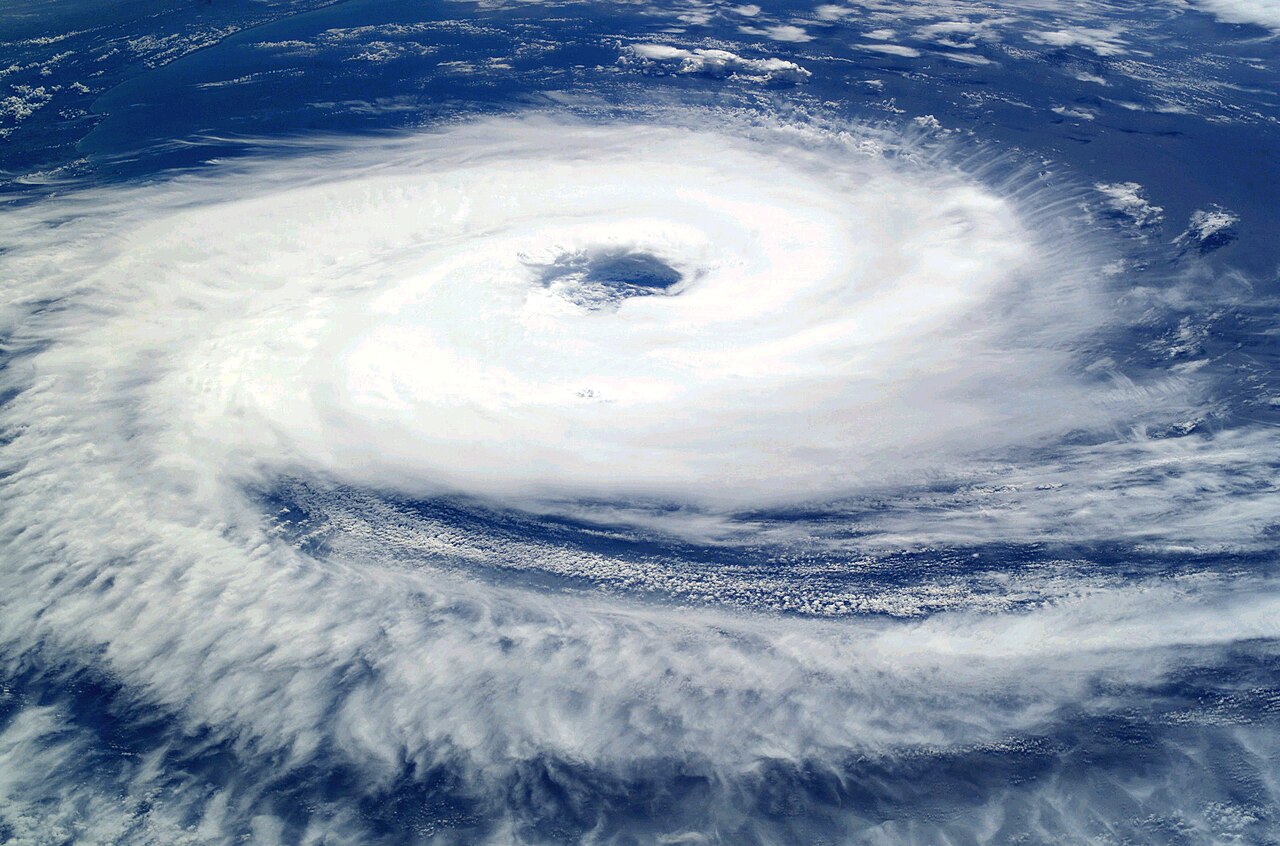
The disturbance that became Ana emerged as a disorganized area of low pressure on August 11. Over the next several days the system struggled to organize, repeatedly disrupted by strong upper-level winds. Persistent wind shear — a change of wind speed or direction with height — was the primary factor that prevented steady intensification. After an initial weakening phase, the circulation briefly consolidated and the system was designated a tropical storm on August 15. Wind shear and dry air once again displaced the convection, and Ana lost its organized structure by August 17.
Impacts and affected areas
Ana's impacts were driven largely by heavy rainfall rather than by intense winds. The system prompted watches and advisories for islands in the northeastern Caribbean, including parts of the Lesser Antilles, Puerto Rico, and the Dominican Republic. The National Hurricane Center issued tropical-storm watches as the storm approached, and local authorities encouraged residents to take standard precautions. Reported effects included localized flooding, ponding on roads, brief travel disruptions, and isolated power outages. Overall, damage was limited and concentrated in low-lying and poorly drained areas.
Preparations and response
In anticipation of Ana, emergency managers and meteorological services issued advisories to the public and to maritime interests. People were advised to secure loose items, avoid flooded roadways, and monitor official forecasts. Small craft advisories and coastal warnings were used to alert fishermen and boat operators. Because Ana was short-lived and relatively weak at peak, large-scale evacuations were not required in most areas.
Significance and context
Ana is notable as the season's first named storm and as an example of how environmental factors such as wind shear can limit tropical cyclone development. Its behavior illustrates common features of early- and mid-season Atlantic systems: they may form from transient disturbances and can undergo several reorganizations before either strengthening or dissipating. For a summary of the broader active period, see the 2009 Atlantic hurricane season overview and regional information on the Caribbean.
Key facts
- First named storm of the 2009 Atlantic season.
- Formed in early August and dissipated by mid-August.
- Primary limiting factor: strong wind shear.
- Impacts: mainly rain, localized flooding, and minor disruptions; NHC issued watches for affected islands.
Tropical Storm Ana serves as a reminder that even short-lived and modest tropical cyclones can produce hazardous rainfall and localized impacts, particularly in vulnerable coastal and island communities. Observers and residents are advised to follow official updates and preparedness guidance during the hurricane season.
Questions and answers
Q: What was Tropical Storm Ana?
A: Tropical Storm Ana was the first tropical storm of the 2009 Atlantic hurricane season.
Q: When did Tropical Storm Ana form?
A: Tropical Storm Ana formed on August 11, 2009.
Q: Did Tropical Storm Ana affect the Caribbean?
A: Yes, Tropical Storm Ana was the first tropical cyclone to affect the Caribbean during 2009.
Q: Was Tropical Storm Ana strong or weak?
A: Tropical Storm Ana was weakened by strong wind shear on August 13 and was torn apart again by wind shear later on, but it became a tropical storm on August 15.
Q: How long did Tropical Storm Ana last?
A: Tropical Storm Ana died on August 17, 2009.
Q: Which countries received tropical storm watches from the National Hurricane Center (NHC)?
A: Some Caribbean islands like the Lesser Antilles, Puerto Rico, and the Dominican Republic received tropical storm watches from the National Hurricane Center (NHC).
Q: What was the main form of damage caused by Tropical Storm Ana?
A: The main form of damage caused by Tropical Storm Ana was in the form of rain.
Related articles
Author
AlegsaOnline.com Tropical Storm Ana (2009) Leandro Alegsa
URL: https://en.alegsaonline.com/art/101679
Sources
- nhc.noaa.gov : "Tropical Depression Two Special Advisory One"
- nhc.noaa.gov : "Tropical Depression Two Discussion Four"
- nhc.noaa.gov : "Tropical Depression Two Advisory Eleven"
- nhc.noaa.gov : "Tropical Depression Two Special Advisory Twelve"
- nhc.noaa.gov : "Tropical Storm Ana Discussion Thirteen"
- nhc.noaa.gov : "Tropical Storm Ana Discussion Sixteen"
- nhc.noaa.gov : "Tropical Storm Ana Discussion Eighteen"
- nhc.noaa.gov : "Tropical Depression Ana Discussion Nineteen"
- nhc.noaa.gov : "Tropical Depression Ana Discussion Twenty-Three (Final)"
- nhc.noaa.gov : "Tropical Storm Ana Public Advisory Fifteen"
- nhc.noaa.gov : "Tropical Storm Ana Public Advisory Sixteen"
- nhc.noaa.gov : "Tropical Storm Ana Public Advisory Seventeen"
- nhc.noaa.gov : "Tropical Storm Ana Public Advisory Eighteen"
- nhc.noaa.gov : "Tropical Storm Ana Tropical Cyclone Update"
- nhc.noaa.gov : "Tropical Depression Ana Public Advisory Twenty-Three (Final)"