
Troisvaux — a commune in Pas-de-Calais, northern France
Troisvaux is a small rural commune in the Pas-de-Calais department of northern France, known for its agricultural landscape, local heritage and community life within the Hauts-de-France region.
Overview
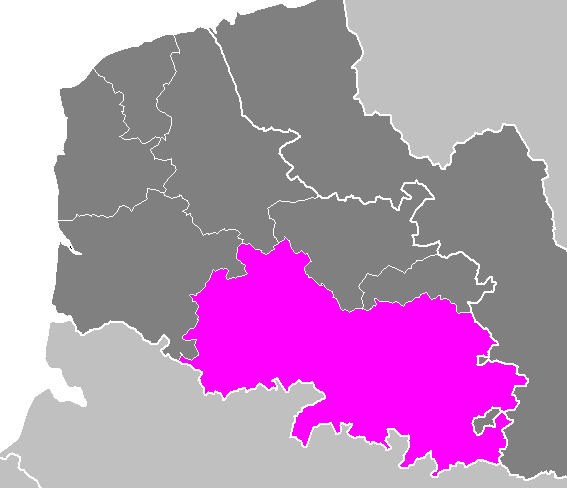
Troisvaux is a small rural commune located in the Pas-de-Calais area of northern France. Administratively it lies within what is today the Hauts-de-France region; historically the territory was part of the former Nord-Pas-de-Calais. The commune is one of many modest-sized settlements that together form the fabric of northern French countryside.
Image gallery
2 Images
Characteristics and landscape
The village shows the typical features of a north‑France rural community: a compact village core with a mairie (town hall), a parish church and a war memorial, surrounded by cultivated fields and patches of woodland. Agricultural activity—mixed crops and livestock—remains an important part of the local economy, supplemented by small local businesses and artisans.
History and development
Like many settlements in the region, Troisvaux has roots that go back several centuries and reflects layers of history tied to the province of Artois and to the shifting political borders of northern France. The area was affected by the social and economic changes of the 19th and 20th centuries, including periods of conflict and reconstruction; local architecture and memorials often recall those events.
Administration and community life
As a commune in the Pas-de-Calais department, Troisvaux is governed by a mayor and municipal council and participates in intercommunal cooperation for services and infrastructure. Local associations organize cultural and sporting activities, and communal facilities serve residents of all ages. Public transport is limited; residents typically rely on nearby towns for wider services.
Points of interest and practical notes
- Rural walks and cycling in the surrounding countryside.
- Local church and village heritage features typical of the region.
- Community events and markets that reflect local traditions.
For broader context, Troisvaux sits within the administrative framework of the department and the geography of northern France, which together shape its economic ties and cultural identity. Visitors and researchers often approach such communes as examples of regional rural life, local governance and historical continuity within the modern French state.
Related articles
Author
AlegsaOnline.com Troisvaux — a commune in Pas-de-Calais, northern France Leandro Alegsa
URL: https://en.alegsaonline.com/art/101618