
Trolley: types, functions, history and distinctions
Overview of trolleys: wheeled small vehicles used for shopping, luggage, food service and urban transport; design features, common types, historical notes and differences from similar vehicles.
A trolley is a compact wheeled vehicle designed to carry goods, luggage or sometimes people for short distances. In general usage the word describes many different devices that share a basic form: a platform or basket mounted on wheels that can be moved by pushing, pulling or, in some cases, by a motor. For a basic definition see wheeled trolley and for common wheel types and components see wheel and caster details.
Image gallery
10 Images
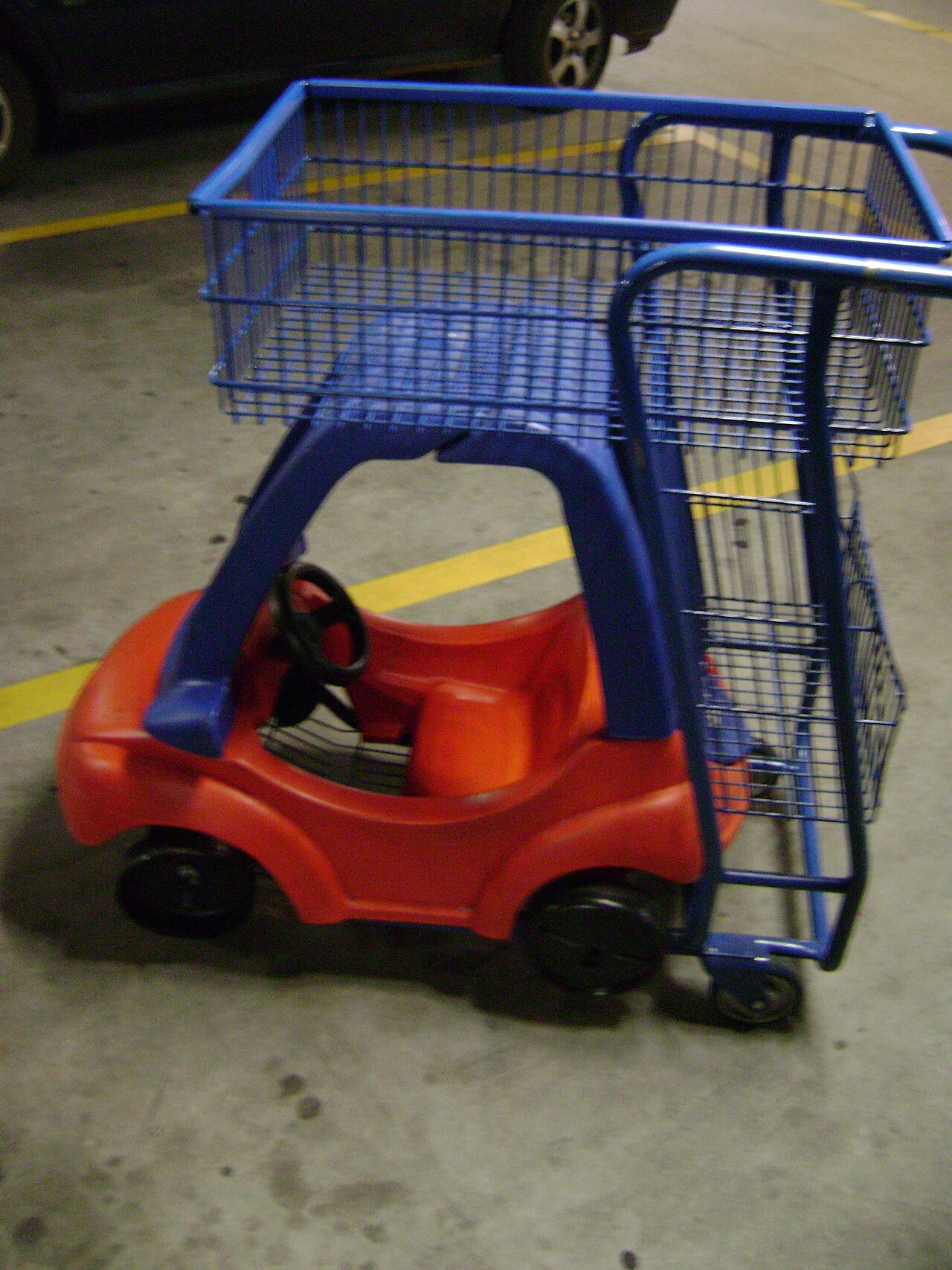


Common types and uses
Trolleys appear in everyday life in several familiar forms. They are designed to make carrying loads easier and to speed up movement inside buildings and across short outdoor distances. Typical types include:
- Shopping trolleys: used in supermarkets and large self-service stores; in American English these are often called shopping carts.
- Luggage trolleys: found in airports and major stations where passengers collect or deposit baggage; they are sometimes available at railway stations and for transfer of suitcases and trunks.
- Tea and service trolleys: small wheeled trays used to move crockery and refreshments such as plates, cups, sandwiches and cakes in homes, offices and care settings.
- Hospital and utility trolleys: specialised trolleys used to transport medical supplies, meals or equipment within healthcare facilities (hospital trolleys), and for serving drinks (tea, coffee) in institutional settings.
- Urban transport 'trolleys': in some dialects, particularly in the United States, the term "trolley" also refers to a streetcar or tram (tram or streetcar), which is a rail vehicle for city streets. This should not be confused with a trolleybus, a bus that draws electric power from an overhead cable (overhead electricity supply).
Design features and variations
Trolleys vary in size, materials and wheel arrangements depending on their purpose. Shopping trolleys typically have a metal frame and a basket with swivel front wheels for maneuvering aisles; luggage trolleys often feature a flat platform and larger wheels to roll over curbs; tea trolleys are smaller, sometimes foldable, and may use wood or lightweight metal. Many public or commercial trolleys are grouped and secured to prevent loss — a simple deposit or locking scheme is common in shops and transport hubs.
History and cultural notes
The concept of a wheeled cart to move items is ancient, but the modern shopping trolley and other specialised forms evolved with mass retailing and organized transport in the 19th and 20th centuries. Regional language differences mean one person's "trolley" may be another's "shopping cart" or "tram," so context matters. In hospitals and hospitality the trolley remains an important tool for efficient service and safe transfer of items between rooms.
Practical considerations and safety
When choosing or using a trolley, consider load capacity, wheel type, braking or locking options and the environment (smooth floor, uneven pavement, stairs). Proper maintenance — such as keeping wheels free of debris and ensuring fasteners are secure — reduces accidents and prolongs service life. For public-use trolleys, hygiene and accessibility are also frequently addressed by operators.
Because the word covers both small service carts and electric street vehicles in different dialects, it is useful to be explicit about the type you mean: a shopping or luggage trolley, a service cart, a tram (streetcar), or a trolleybus. Each of these plays a distinct role in retail, logistics, hospitality and public transport.
Questions and answers
Q: What is a trolley?
A: A trolley is a small vehicle with wheels that can carry things. People can push trolleys.
Q: What are some different kinds of trolleys?
A: There are shopping trolleys which are used in supermarkets and other large stores with self-service, tea-trolleys which are traditionally used in the house for plates, cups, saucers and sandwiches and cakes for afternoon tea, and airport or railway station trolleys to carry luggage.
Q: How do customers use shopping trolleys?
A: Customers can put things they want to buy in the shopping trolley and then pay for everything at the checkout. Usually they are then allowed to wheel the trolley with the things they have bought out to their car. Sometimes the customers have to pay a small deposit when collecting a trolley. The customer puts in a coin (in Britain a £1 coin) which he can have back again when he parks the trolley back in the chain. Deposits are not refundable.
Q: Where else besides homes and supermarkets might people find tea-trolleys?
A: Tea-trolleys may also be found in hospitals and offices to take cups of tea and coffee to people.
Q: In American English what does "trolley" mean?
A: In American English "trolley" can refer to a tram (or streetcar). This should not be confused with a trolleybus which is a bus that uses electricity from an overhead cable (like a tram).
Q: How does one differentiate between trams/streetcars and buses using electricity from an overhead cable?
A: Trams/streetcars run on tracks while buses using electricity from an overhead cable do not run on tracks but instead use electricity from an overhead cable for power.
Related articles
Author
AlegsaOnline.com Trolley: types, functions, history and distinctions Leandro Alegsa
URL: https://en.alegsaonline.com/art/101630