
Trichoptera (caddisflies): aquatic larvae and case-building insects
Trichoptera, commonly called caddisflies, are an order of insects whose aquatic larvae build silk retreats or portable cases. They are ecologically important indicators of freshwater health and food webs.
Overview
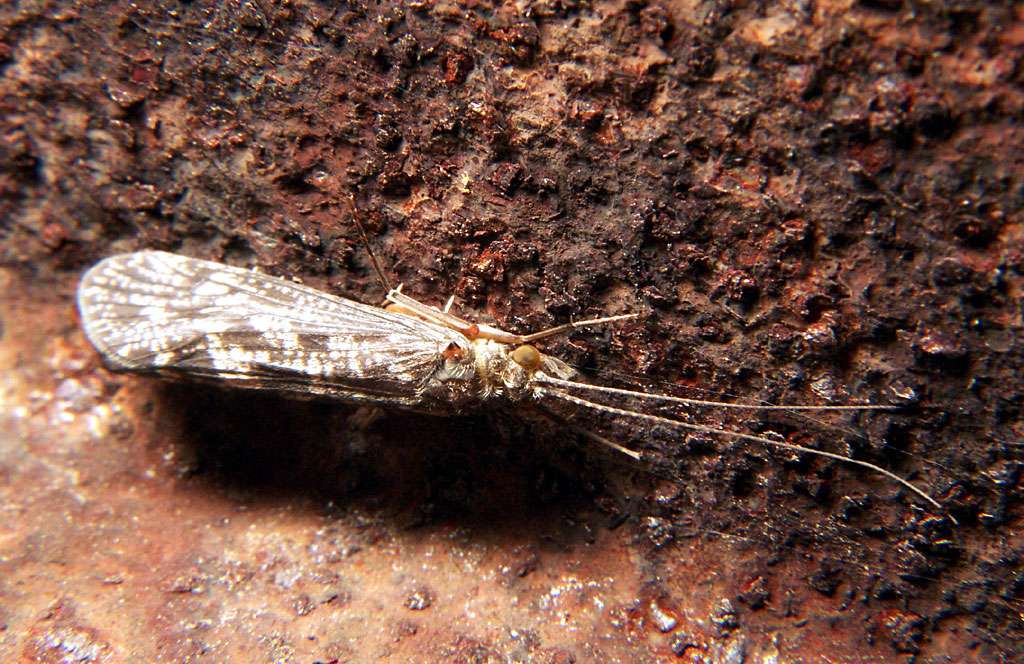
Trichoptera is an order of insects commonly known as caddisflies. Adult caddisflies resemble moths but have hairy (not scaly) wings and are mostly nocturnal. Their immature stages are aquatic, and the larvae are most famous for producing silk and constructing either fixed retreats or portable cases from surrounding materials.
Image gallery
10 Images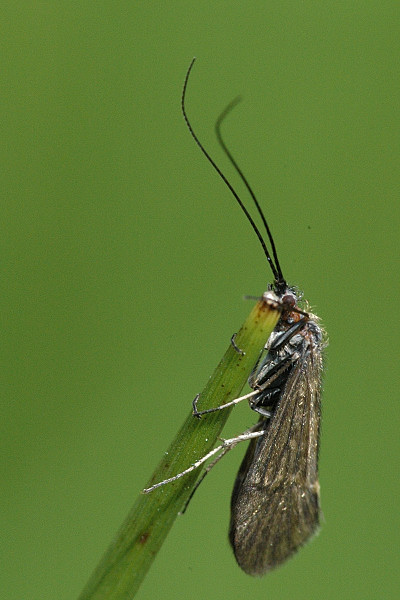




Key characteristics
Adults possess slender antennae and wings covered with fine hairs. Larvae have well-developed heads, thoracic legs, and abdominal gills adapted to life in streams, lakes, or ponds. Silk is produced from labial glands and is used for attachment, case construction, and pupal cocoons.
Life cycle and behavior
Life stages include egg, several larval instars, pupa, and adult. Females lay eggs on or near water; larvae develop underwater where they feed and grow. Pupation typically occurs within a case or retreat; adults emerge and leave the aquatic habitat to mate and disperse. Adult lifespans are short compared with the larval period.
Larval cases and feeding strategies
Caddisfly larvae display diverse habits:
- Case-builders: many species assemble portable cases from sand, small stones, plant fragments, or shell pieces held together with silk.
- Net-spinners: some construct silken capture nets to filter suspended organic particles and small organisms from flowing water.
- Free-living predators or grazers: other larvae roam substrates to hunt or scrape algae and detritus.
Ecological importance and human connections
Caddisflies are integral to freshwater food webs, serving as prey for fish and other aquatic predators. Because different species vary in sensitivity to pollution, their presence and community composition are widely used in biological monitoring and water-quality assessment. Anglers also imitate caddisfly larvae and adults when tying artificial flies for trout fishing.
Diversity, evolution, and distinctions
Worldwide there are roughly on the order of ten to fifteen thousand described caddisfly species, grouped into many families that reflect varied life histories. Fossil and molecular evidence indicate Trichoptera are closely related to Lepidoptera (moths and butterflies). They can be distinguished from superficially similar aquatic insect orders — such as Ephemeroptera and Plecoptera — by their case-building larvae and adult wing structure.
Notable facts
- Case materials often reflect local geology and vegetation, making larval cases useful for ecological study.
- Silk produced by caddisfly larvae is remarkable for functioning underwater and has attracted biomaterials research interest.
Related articles
Author
AlegsaOnline.com Trichoptera (caddisflies): aquatic larvae and case-building insects Leandro Alegsa
URL: https://en.alegsaonline.com/art/101477