
Triathlon: Overview, formats, equipment, history, and notable races
Triathlon is a multisport endurance event combining swimming, cycling and running without breaks. This article outlines common formats, equipment and transitions, origins, major events and training considerations.
Overview
A triathlon is a continuous multisport race made up of three consecutive disciplines performed without intentional rest: typically swimming, cycling and running. Competitors move directly between each discipline through timed transition zones, and overall performance includes the time spent in these transitions. Races range from short, fast sprints to extended endurance events that take many hours.
Image gallery
10 Images





Common formats and typical distances
Organizers use a variety of standard formats to suit different athletes and venues. Distinct formats are often named for their relative length or governing standards:
- Sprint: short race for beginners and fast racing (commonly ~750 m swim, 20 km bike, 5 km run).
- Olympic (Standard): the distance used at the Olympic Games (about 1.5 km swim, 40 km bike, 10 km run).
- Half and Full Ironman: long-distance events; the full Ironman distance is a recognized long-course format (standard full distance ~3.8 km swim, 180 km bike, 42.2 km run).
- Other formats: duathlons (run–bike–run), aquathlons (swim–run) and relay or mixed-team variations.
Equipment, transitions and rules
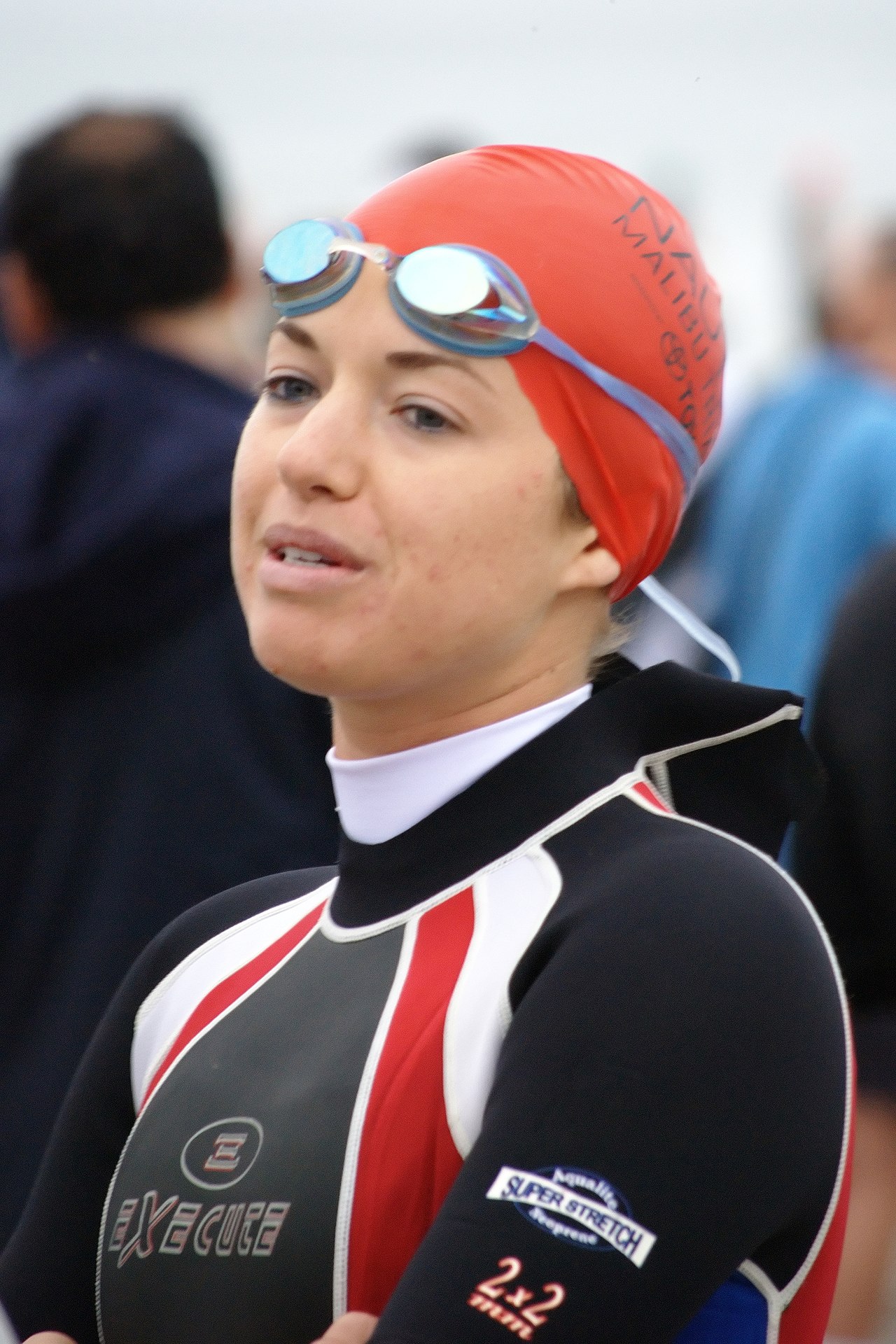
Equipment ranges from basic tri-suits and goggles to specialized triathlon bicycles and aerodynamic helmets. Wetsuits are common in cold water; rules on their use depend on water temperature. Transition areas (often labeled T1 and T2) are strategic: quick changes in footwear, helmet and bike setup save valuable seconds. Race regulations also govern drafting on the bike, equipment dimensions, and conduct during overtaking.
History and notable events
Triathlon developed in the 1970s as athletes and clubs experimented with combining endurance sports. It gained international organization and competitive structure through national federations and the International Triathlon Union, and it entered the Summer Olympics in 2000. One of the most prestigious long-distance series is the Ironman, which has become synonymous with extreme endurance racing and attracts professional and amateur competitors worldwide.
Training, strategy and significance
Successful triathletes balance swim, bike and run training while managing recovery and nutrition. Race strategy depends on course profile, weather and competitor fields: pacing, efficient transitions and equipment choice make measurable differences. Triathlon is valued for its inclusivity—events exist for novices through elite professionals—and for promoting cross-discipline fitness and endurance.
Related articles
Author
AlegsaOnline.com Triathlon: Overview, formats, equipment, history, and notable races Leandro Alegsa
URL: https://en.alegsaonline.com/art/101449