
Marathon (competitive long-distance running event)
A marathon is a standardized long-distance road race of 42.195 km (26 mi 385 yd). This article covers its origin, distance and rules, training, variations, and cultural significance.
Overview
A marathon is a long-distance running event contested on roads or other certified courses. The standardized distance is 42.195 kilometres (26 miles and 385 yards). Marathons attract a wide range of participants, from elite professional athletes to recreational runners and charity fundraisers. Events are typically timed and organized with aid stations, medical support, and official finish verification; official rule sets and course certification help ensure consistent results across races. For a basic introduction to race rules and organization see race organizers' guides.
Image gallery
10 Images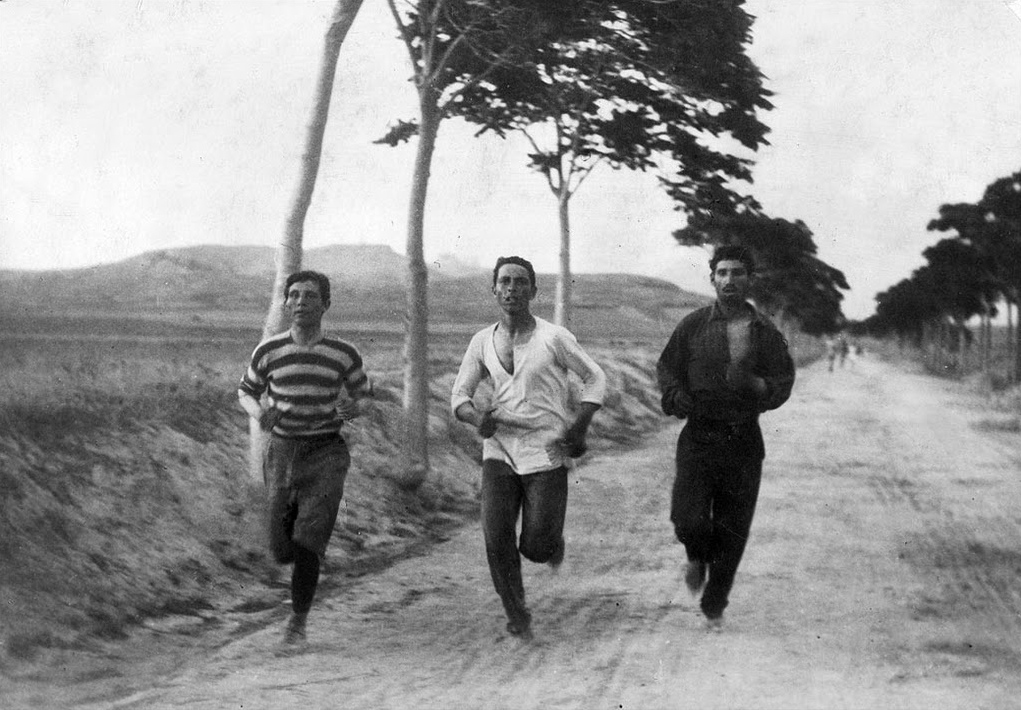




History and origin
The modern marathon is inspired by a Greek legend about a run from the battlefield of Marathon to Athens to announce victory. Ancient accounts vary, and historians debate the precise details; the runner commonly named in the story is Pheidippides. The legend entered popular consciousness in the 19th century and influenced the creation of the event in the first modern Olympic Games. For background on the historical accounts and debate, consult historical summaries at sources on the Battle of Marathon.
Standard distance and development
The race distance used today was not fixed at the outset. Early modern marathons varied in length; the event at the 1896 Olympics covered roughly 40 kilometres. The distance was standardized to 42.195 km following adjustments made for later Olympic courses, and that measurement has since been adopted internationally. More on the standardization and its evolution can be found in historical records of Olympic race planning: distance standardization and accounts of the 1896 Games at the first modern Olympics.
Characteristics, organization and participation
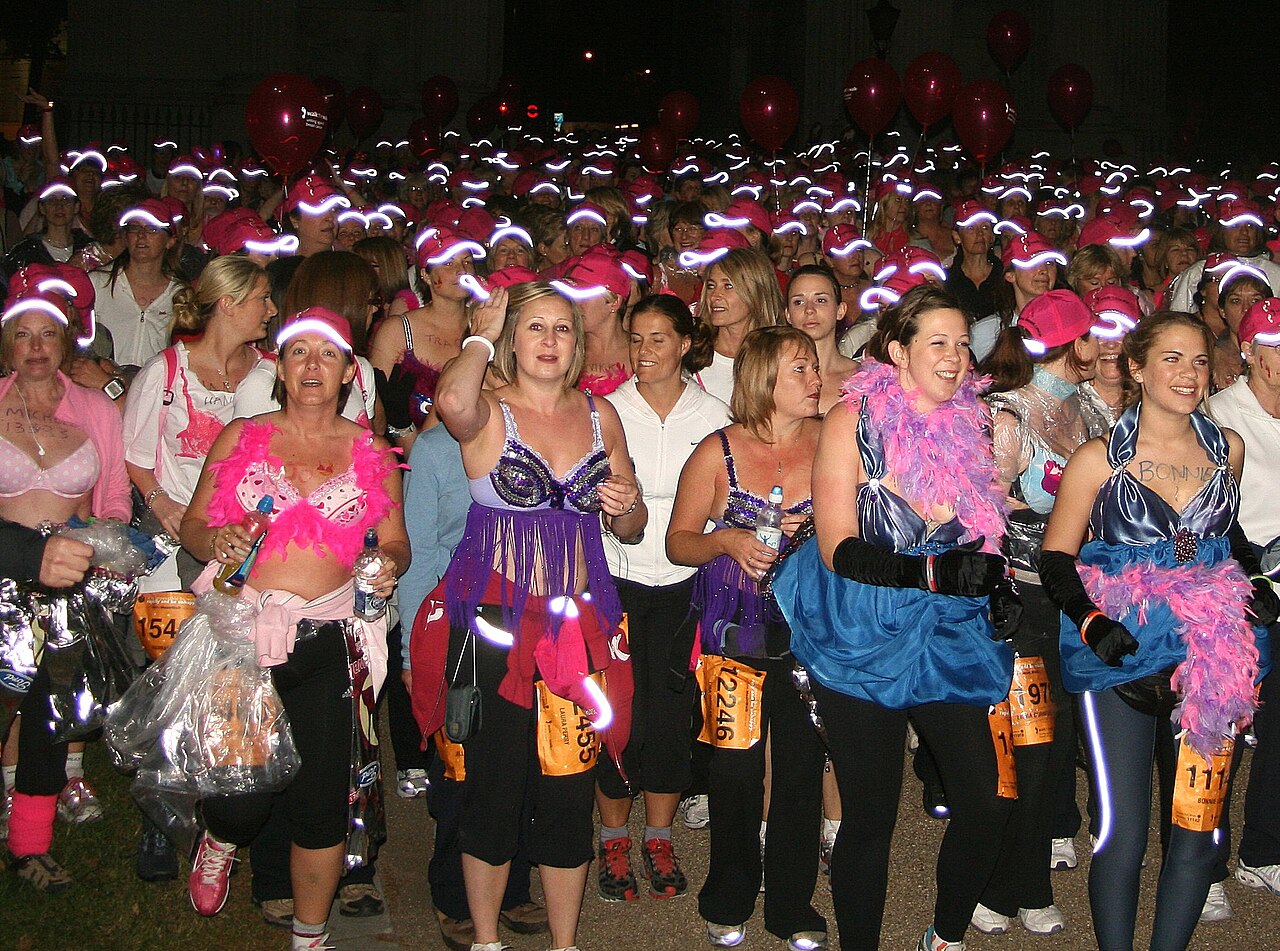
Most mass-participation marathons are run on paved roads and feature wave starts to manage large fields. Official timing is done with chip mats at the start and finish. Race organizers provide water, sports drinks and medical tents; some courses have time limits. Competitive marathons typically require course certification and adherence to rules set by governing athletics bodies. Entry systems range from open registration to lotteries, qualification standards, or invitational fields.
Training, performance and health considerations
Training for a marathon emphasizes gradual mileage build-up, long runs, recovery, and pacing strategies. Nutrition and hydration planning are important for performance and to reduce the risk of problems such as dehydration or heat illness. Elite athletes train specifically for speed and efficiency; recreational runners often aim for completion and personal goals. Training plans and safety guidance are available from many athletics organizations and coaching resources: training and safety resources.
Variations, notable events and cultural impact
There are many marathon formats: traditional city road marathons, trail marathons on uneven terrain, stage or relay marathons, and wheelchair divisions. Some races are famous for size, history, or difficulty; major international city marathons attract elite fields and mass participation and are central to many local cultures and charities. Lists of prominent global marathons and event calendars are compiled by sports organizations and media: major marathons and calendars.
- Related distances: half marathon (approximately 21.1 km) and ultramarathons (longer than the marathon distance).
- Records and elite performance: top-level competitors complete the distance in a small number of hours; records evolve as training, equipment and course selection change.
- Community role: marathons often serve charity fundraising, tourism and civic celebration purposes.
The marathon remains one of the most recognized road-racing formats worldwide because it combines a clear, historic identity with accessibility for runners at many ability levels. Whether approached as a competitive objective, a personal challenge, or a social event, the marathon continues to be a prominent fixture in global sport and public life.
Questions and answers
Q: What is a marathon?
A: A marathon is a long-distance running sport event where an athlete must run 42.195 kilometres (26 miles and 385 yards).
Q: How many marathons are held all over the world each year?
A: There are many marathons held all over the world each year.
Q: Are marathons easy?
A: Marathons are not easy. It is a very difficult event and runners are advised to run many miles before they compete.
Q: Why was the event called a marathon?
A: This event was named after a battle of the Greco-Persian wars. The famous battle of Marathon was fought in 490 B.C.
Q: What happened after the battle of Marathon?
A: After the victory in the battle of Marathon, Athens sent their best runner, a man named Pheidippides back to Athens to tell everyone the good news. He ran about 25 miles and died of exhaustion when he arrived.
Q: When was the first modern Olympics held?
A: The first modern Olympics was held in 1896.
Q: Was there a marathon race in the first modern Olympics?
A: Yes, there was a race called the Marathon there. It was only about 25 miles (40 km) then.
Related articles
Author
AlegsaOnline.com Marathon (competitive long-distance running event) Leandro Alegsa
URL: https://en.alegsaonline.com/art/61555
Sources
- commons.wikimedia.org : Marathons
- bcathletics.org : "IAAF Competition Rules for Road Races"
- marathon-world.com : Marathon World Forum