
Triangle (musical instrument)
A small, hand-held idiophone of bent metal rod struck with a beater; the triangle produces a bright, ringing sound used in orchestras, bands, and folk music for rhythm and color.
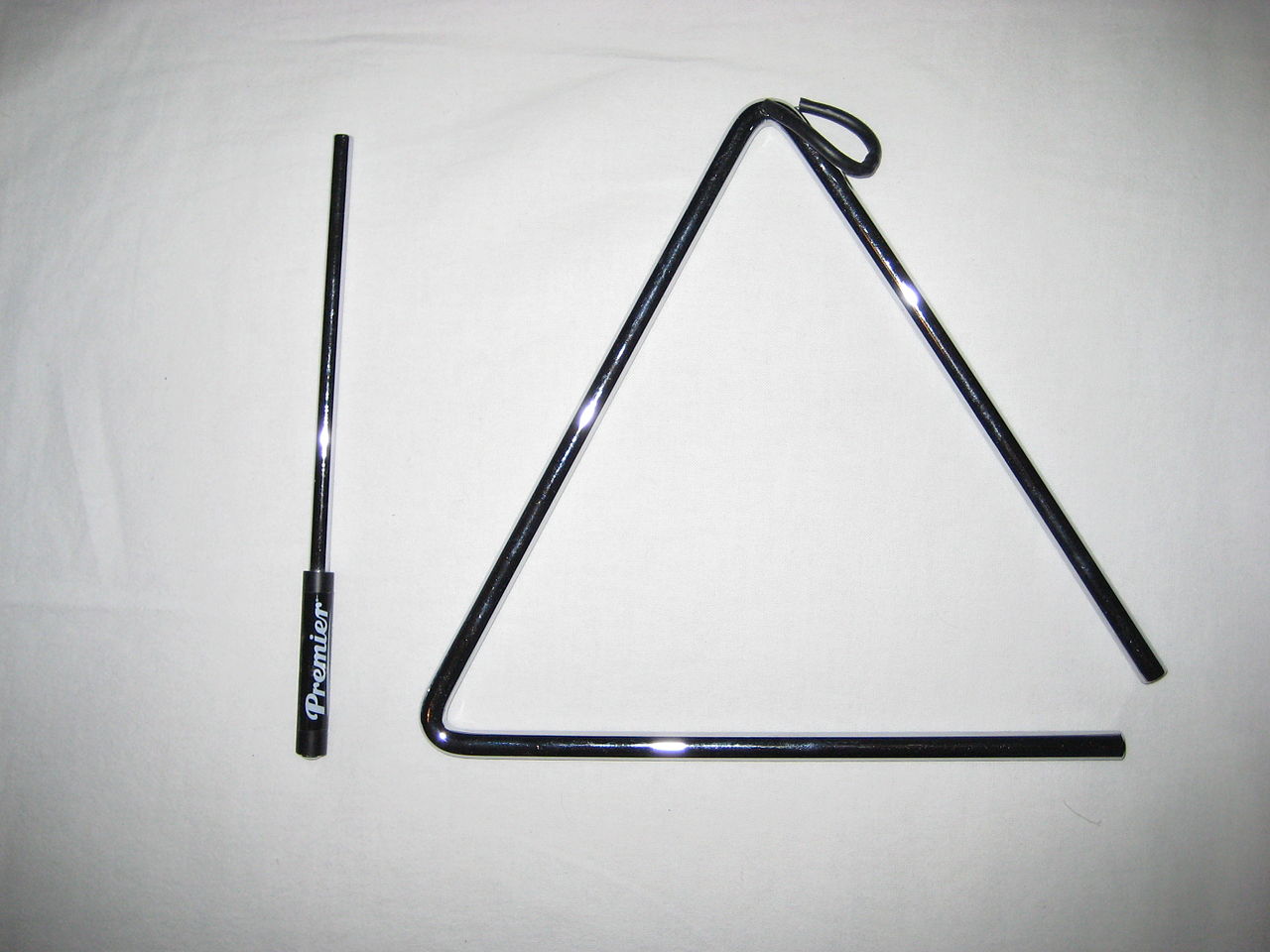
The triangle is a percussion instrument consisting of a metal rod bent into a triangular shape and struck with a thin metal beater. Classified as an idiophone — an instrument that produces sound primarily from the vibration of its own material — the triangle is prized for its clear, ringing tone and rapid attack. It is commonly used to add sparkle, rhythmic punctuation, or color in orchestral, band, chamber, and folk contexts. In written scores it is usually abbreviated tri. and often appears where a bright, penetrating accent is required. For a basic introduction see triangle.
Image gallery
6 Images



Construction and acoustic characteristics
Most triangles are made of steel, though other metals such as brass or bronze are sometimes used. The rod is typically bent so that its three sides form an approximately equilateral shape; the ends may overlap or remain slightly separated so the frame can vibrate freely. Sizes vary from small models producing higher timbres to larger ones with a deeper, fuller ring. Because the instrument lacks a resonating cavity and has no fixed tuning mechanism, it is generally considered an unpitched or indefinite-pitch instrument, though listeners can sometimes perceive a dominant pitch center when the instrument is struck.
Playing technique
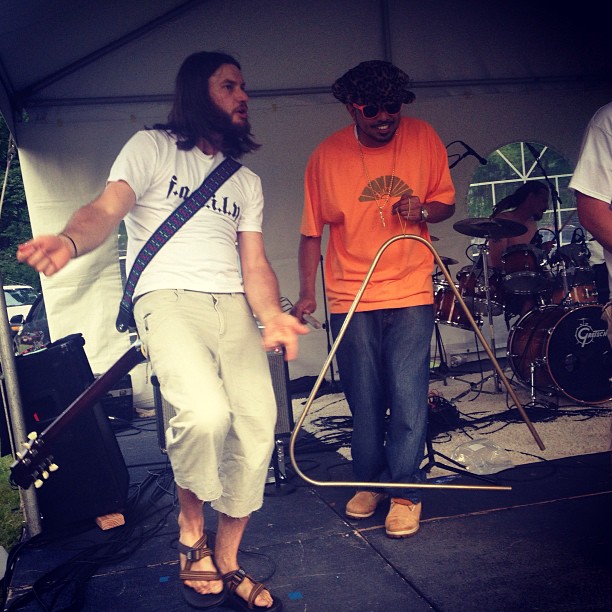
The triangle is normally suspended from a length of string, leather, or a clip held by the player so the instrument can vibrate without damping. In orchestral settings a stand or clamp is frequently used so the percussionist can move easily between instruments. The sound is produced by striking one of the sides with a metal beater; players vary beater size, point of contact, and strike force to shape tone and volume.
- Common articulations include single strokes, rolls (rapid alternating strikes), and damped strikes (muting the ring with a finger).
- Different strokes: tip strikes for a thin, high edge tone; center strikes for a fuller ring.
- Beater materials: usually steel, sometimes coated or of different diameters to change attack and sustain.
History and development
Variants of the triangle appear in a variety of musical traditions. It became widely integrated into European art music and military bands from the Baroque and Classical eras onward, and by the 19th century it was a regular member of the orchestral percussion section. Its ease of use, portability, and strong projection made it popular in popular and folk music as well as concert repertoire.
Role in ensembles and repertoire
In an orchestra the triangle often provides bright, high-frequency accents that cut through dense textures, so it is frequently employed in tutti passages, dance movements, and coloristic effects. In wind and marching bands and chamber ensembles it performs a similar function. Because the instrument is simple to notate and execute, composers from Classical to contemporary styles have written distinctive triangle parts; orchestral and operatic scores frequently call for nuanced rolls and precise damping. See typical orchestral usage at orchestras.
Practical notes and distinctions
Triangles require minimal maintenance: avoid dropping or bending the frame, keep beaters and metal clean, and store the instrument where it will not be warped. Although often considered unpitched, the instrument's size and shape influence timbre and apparent pitch. The triangle's clear projection and relatively small dynamic range distinguish it from other metallic percussion like crotales or suspended bells, which are tuned and produce more definite pitches.
Related articles
Author
AlegsaOnline.com Triangle (musical instrument) Leandro Alegsa
URL: https://en.alegsaonline.com/art/101441