
Trabzon: Black Sea port city and historic capital of the Empire of Trebizond
Trabzon is a northeastern Turkish city on the Black Sea coast known for its port, fishing, Pontic history, the medieval Empire of Trebizond, and landmarks such as Hagia Sophia and Sumela Monastery.
Overview
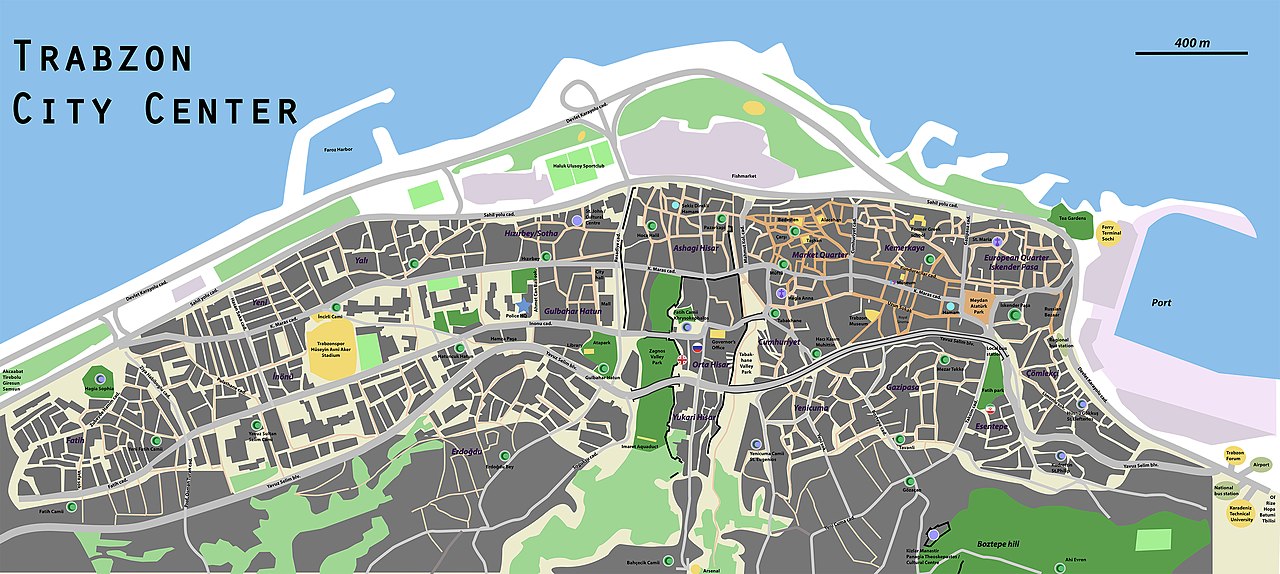
Trabzon is a coastal city on the southeastern shore of the Black Sea and the administrative centre of Trabzon Province. Perched between steep hills and a narrow coastal plain, the city has long functioned as a regional trading hub and maritime gateway. Contemporary Trabzon combines port activity, agriculture and tourism: its seafront markets and fish landing sites reflect a continuing reliance on the sea, while nearby mountain valleys support tea, hazelnut and other small-scale farming. The wider landscape includes forested slopes of the Pontic Mountains and glacially-formed lakes that draw visitors for scenery and outdoor recreation.
Image gallery
10 Images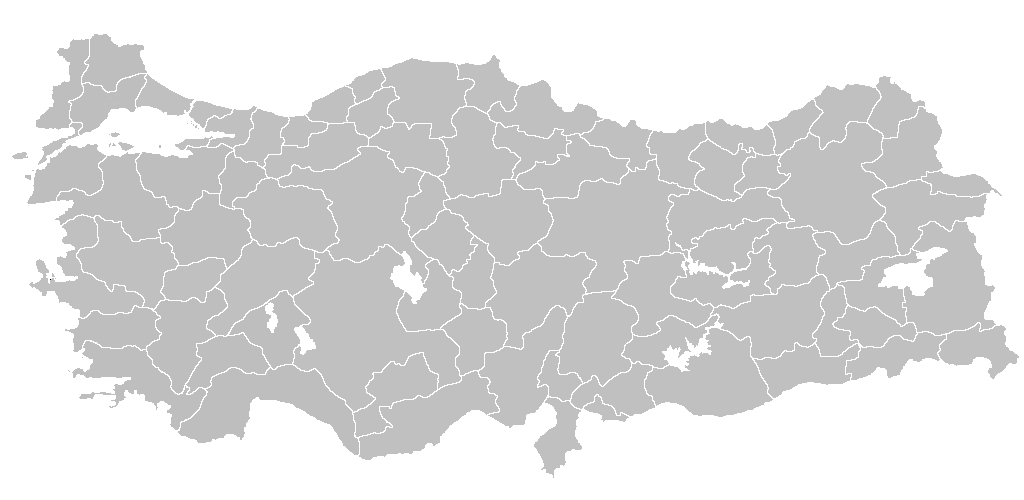





History
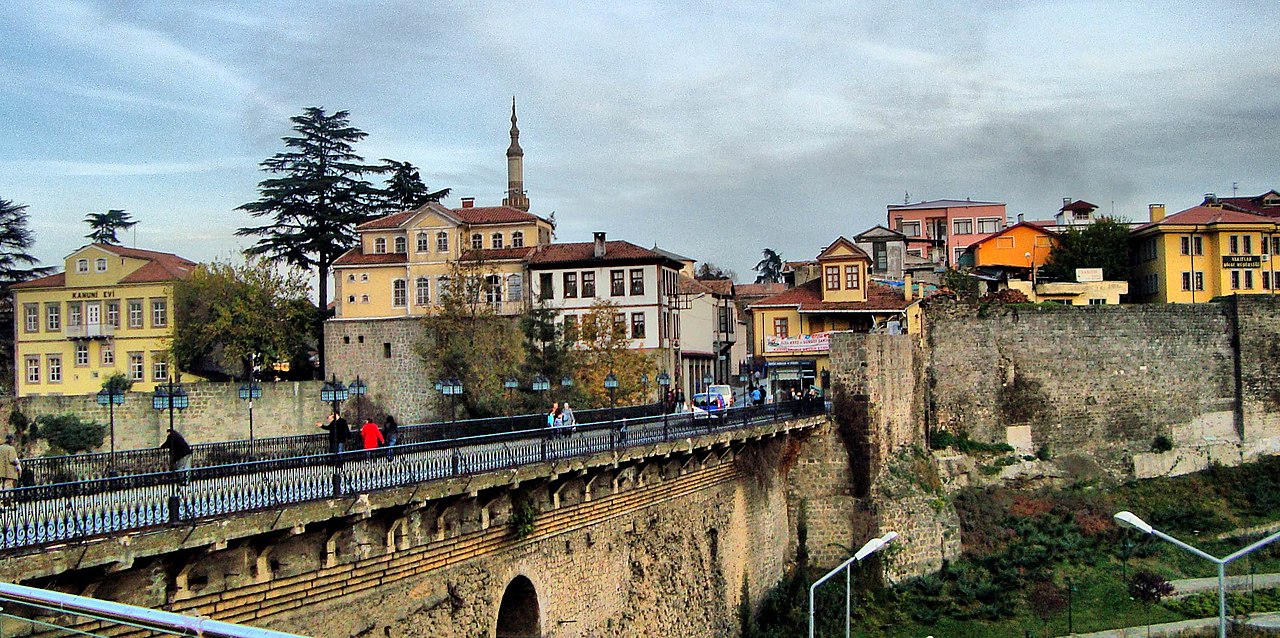
The site of Trabzon has been settled since antiquity. It originated as the Greek colony of Trapezus, established by seafarers from the Aegean and connected to wider networks of trade and migration among Black Sea communities (ancient Greek settlers). In the medieval period the city became the capital of the Empire of Trebizond, a Byzantine successor state that flourished on the Black Sea littoral from the early 13th century until the mid-15th century. During and after that era the city hosted merchants from Genoa and other maritime powers, and it was eventually incorporated into the Ottoman realm. Throughout these changes, Trabzon remained a crossroads of cultures, languages and religions.
Landmarks and heritage
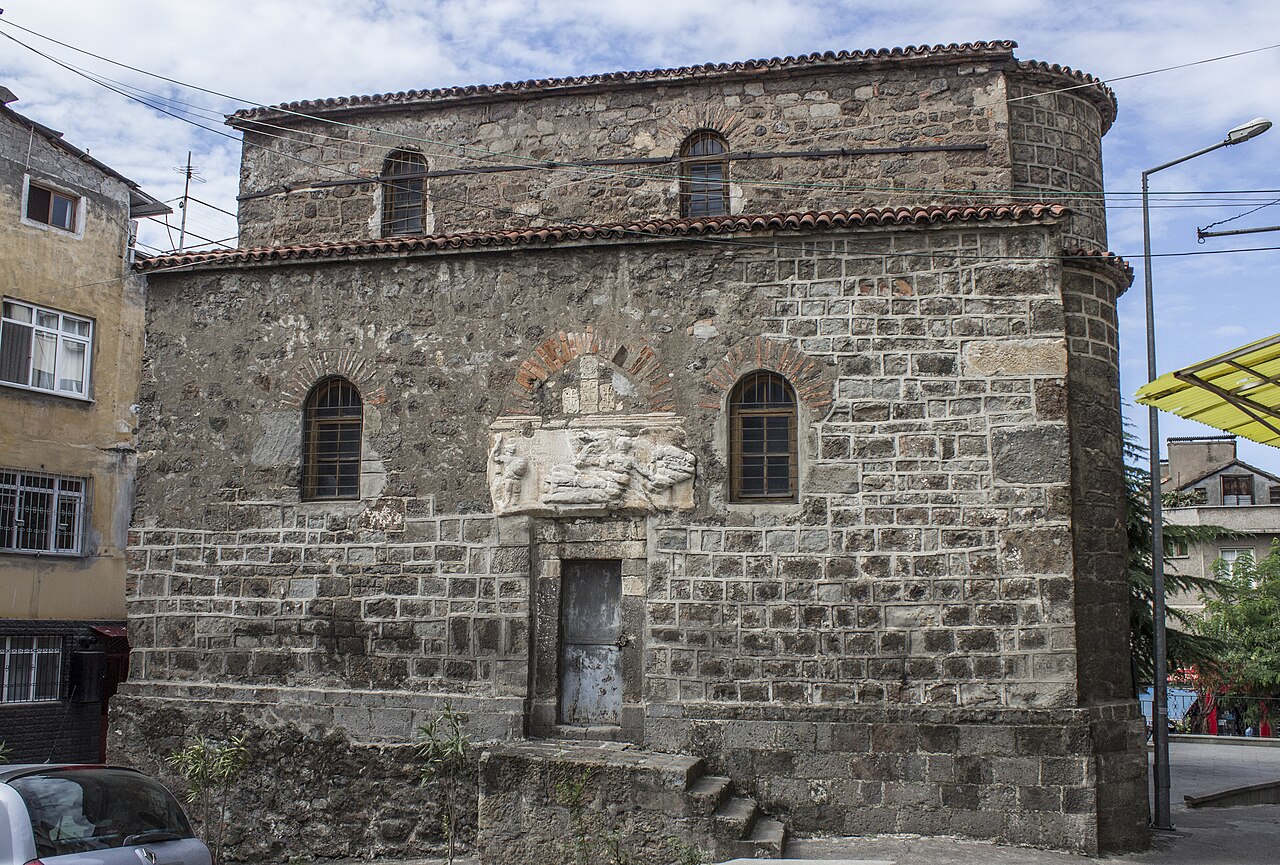
- Hagia Sophia of Trabzon — a medieval church noted for its interior frescoes and successive uses across different periods.
- Sumela Monastery — a cliff-side monastic complex set in steep forested slopes, historically important and a major pilgrimage and tourist attraction.
- Uzungöl and mountain valleys — scenic glacial lake basins and wooded highlands popular for hiking and weekend tourism.
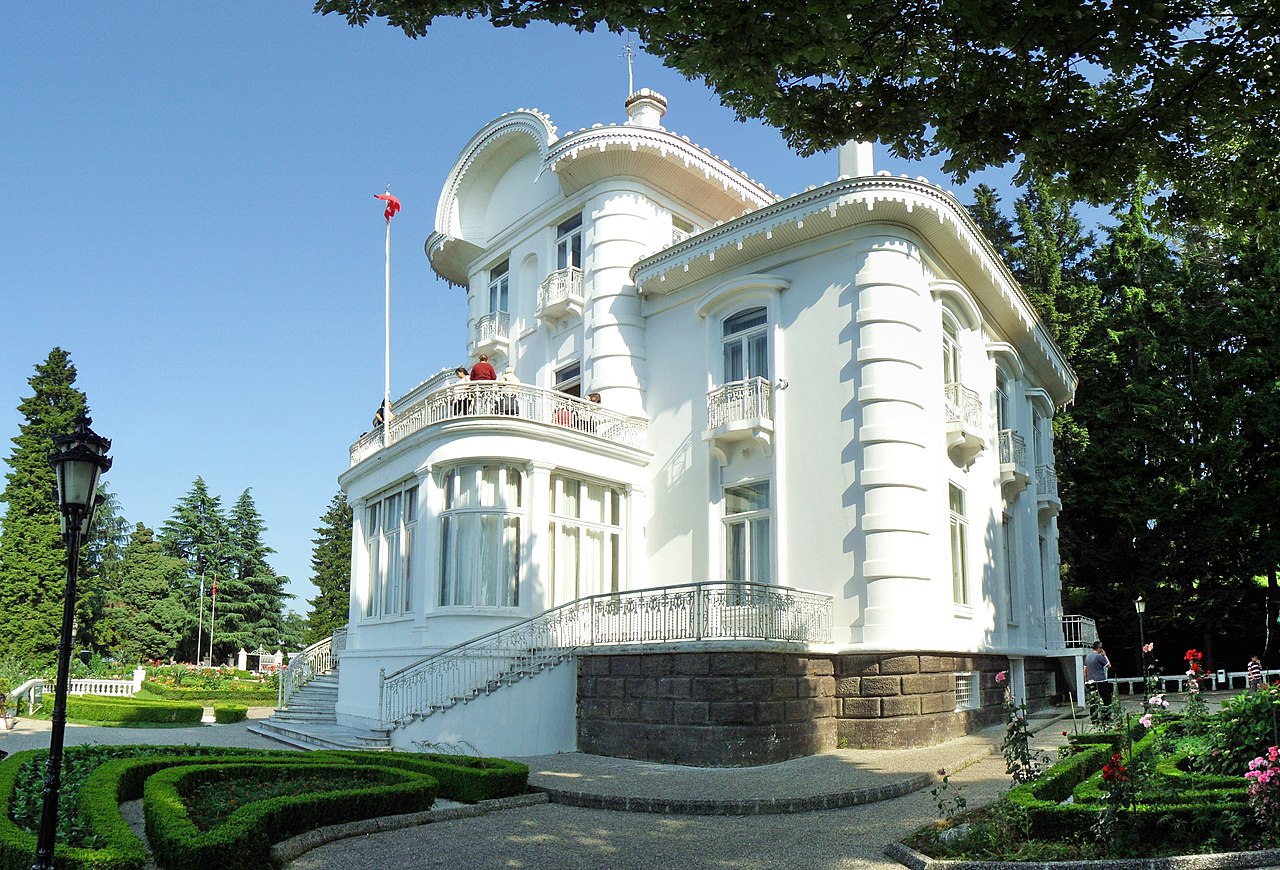
- Atatürk Köşkü and local museums — sites that present Ottoman and Republican-era history, local crafts and ethnography.
Economy and culture
Fishing remains a signature activity; the small oily anchovy known locally as hamsi is central to regional cuisine and markets. Agriculture in the surrounding hills supplies tea, hazelnuts and other produce that feed both local demand and wider commercial networks. The port supports cargo handling, ship services and passenger connections, while a growing tourism sector focuses on historical sites, mountain scenery and cultural festivals. Cultural life mixes Pontic traditions, Ottoman legacy and modern Turkish influences: music, dance, handicrafts and seasonal events sustain distinctive community identities. The city is also known nationally for its passionate football club, which is an important element of local pride.
Geography, climate and transport
Trabzon has a maritime climate with relatively high precipitation compared with interior Anatolia, which produces lush vegetation on narrow coastal strips and moist mountain slopes. Steep terrain has shaped urban development and transport routes; road links and an international airport connect Trabzon with other Turkish cities, while the port maintains maritime links around the Black Sea and beyond. The city’s position on the Black Sea coast has been central to its economic and cultural history (Black Sea).
Population and society
Trabzon today is a diverse provincial centre where traditional livelihoods coexist with modern professions. Historically it had a mixed population including Greek-speaking Pontic communities, and while demographic patterns changed during the 20th century, remnants of the region’s multicultural past are visible in language, cuisine and local customs. Education, healthcare and municipal services have expanded with urban growth, and the city plays an important role as a regional service centre.
Tourism and conservation
Visitors to Trabzon are drawn by its combination of historic monuments, religious sites, natural scenery and gastronomic specialities. Conservation of medieval architecture and the protection of fragile mountain environments are ongoing concerns for local authorities and heritage organisations. Travellers are encouraged to respect local practices at religious sites and to follow guidelines in protected natural areas.
Further information
For general geographic context see the Black Sea and its coastal communities (Black Sea), and for background on early settlement patterns consult sources on ancient Greek colonization of the Pontus region (ancient Greek settlers).
Related articles
Author
AlegsaOnline.com Trabzon: Black Sea port city and historic capital of the Empire of Trebizond Leandro Alegsa
URL: https://en.alegsaonline.com/art/100993